Why Did My Air Freight Shipment Get Delayed at the Airport?

Time:2026-07-13 Author:Henry
0%

Air freight is a vital component of global trade, ensuring timely deliveries of goods. However, delays can cause significant disruptions for businesses and logistics managers. Understanding why these delays occur is crucial. Many clients find themselves asking, "why did my air freight shipment get delayed at the airport?"

Delays can stem from various factors. Weather fluctuations are a common issue. Airports often experience disruptions due to storms, fog, or heavy winds. Customs clearance can add to these delays as well. A shipment might get held up due to insufficient documentation or inspections. Even minor discrepancies can lead to long waiting periods.

It's essential to acknowledge the complexity of air freight logistics. Cargo handlers face numerous challenges daily. Communication breakdowns between various parties, such as airlines and freight forwarders, may also contribute to unexpected setbacks. Reflecting on these factors can help stakeholders understand the bigger picture of air freight delays. It is a reminder of the importance of meticulous planning and real-time communication in the logistics process.
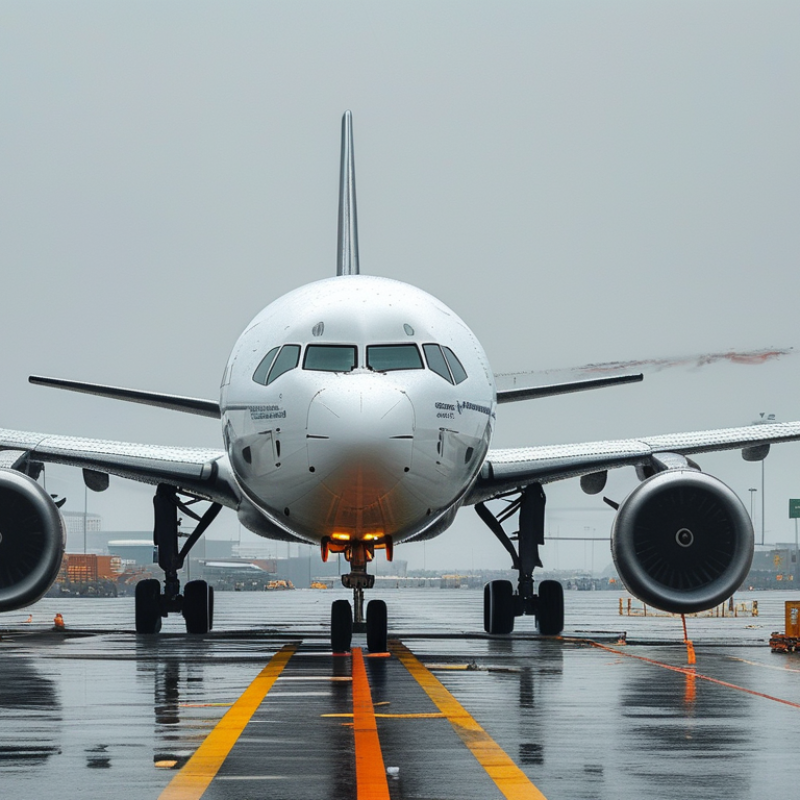
Why Did My Air Freight Shipment Get Delayed at the Airport?

Understanding Common Causes of Air Freight Shipment Delays

Air freight delays can be frustrating, but understanding their common causes can help manage expectations. Weather disruptions are a significant factor. Heavy rain, snow, or storms can cause flight cancellations or rerouting. When this happens, shipments are simply delayed. Airports may experience congestion during peak travel times, which can slow down the unloading process.

Customs clearance issues often arise, especially for international shipments. When paperwork is incomplete or not filled correctly, delays are inevitable. Inspections may also be required, adding to waiting times. Additionally, missing documentation can halt the shipment altogether. Communication breakdowns between different stakeholders can intensify these delays. Each party must relay accurate information to keep goods moving efficiently.

Equipment failures are another possible issue. A malfunctioning aircraft or ground vehicle can prevent timely departures. Workers can do their best to resolve these issues, but unexpected problems can arise. Shipments may need to be relayed to another flight. While delays are frustrating, they remind us that air freight relies on many interconnected systems.

Common Causes of Air Freight Shipment Delays

This chart illustrates the common causes of air freight shipment delays. Weather conditions tend to be the most significant factor, followed by customs clearance and flight scheduling issues. Understanding these factors can help in planning and mitigating delays in the future.

Impact of Airport Operations on Air Freight Timelines

Air freight delays can primarily stem from airport operations. The complexities within these systems greatly impact shipment timelines. According to a 2022 report by the International Air Transport Association, nearly 25% of air cargo shipments experience significant delays due to ground handling inefficiencies. Factors like cargo loading, customs clearance, and even weather can exacerbate these issues.

One key aspect is ground handling. Inadequate staff training and outdated equipment can lead to slower processing times. The Airports Council International highlights that effective coordination among various stakeholders is crucial. Delays frequently occur when communication between airlines and ground handlers breaks down. Custom inspections can also create bottlenecks. Reports indicate that nearly 30% of air cargo delays are attributable to customs red tape, which can be especially frustrating for shippers.

Furthermore, airport congestion is a growing concern. As air traffic increases, logistics can slow. According to the Federal Aviation Administration, air freight volumes are projected to grow by 4% annually for the next decade. This rise may lead to longer wait times and more delayed shipments unless significant infrastructure improvements are made. Addressing these operational challenges is essential to enhance reliability in air freight handling.

Role of Customs Inspections in Air Freight Delays

When shipping goods via air freight, delays often arise due to customs inspections. These inspections can significantly impact delivery timelines. Customs authorities conduct thorough checks to ensure compliance with regulations. They scrutinize shipments for proper documentation, correctly declared value, and import/export restrictions. This kind of diligence protects national security and the economy.

Handling customs can be overwhelming. To minimize delays, ensure all paperwork is accurate and complete before shipping. Double-check the contents of your shipment. Incorrect labeling or missing documents can trigger extensive hold-ups. Communicate clearly with your logistics partner about any specific requirements.

Be prepared for unexpected issues. Sometimes, customs may require additional information or clarification about the shipment. This can cause unanticipated delays. It is wise to have a buffer in your schedule for air freight deliveries. Awareness of potential customs challenges can help you navigate this complex process with more ease.

Why Did My Air Freight Shipment Get Delayed at the Airport? - Role of Customs Inspections in Air Freight Delays

Inspection Reason Average Delay (Hours) Frequency (%) Impact on Shipment
Documentation Verification 2 25 Moderate
Security Screening 1.5 30 Low
Random Inspections 3 20 High
Regulatory Compliance 4 15 Very High
Missing Information 5 10 Severe

Effects of Weather Conditions on Air Cargo Transport

Weather conditions can significantly affect air cargo transport. Airlines often face delays due to storms, heavy rain, or fog. These elements disrupt schedules and can create bottlenecks at airports. Delays are common during winter when snow and ice create hazardous runway conditions.

Extreme temperatures can also challenge air freight operations. Heat can cause overheating in aircraft, while cold can slow the loading and unloading process. Adjusting to these conditions requires flexibility and quick decision-making from logistics teams.

Tips for managing weather-related delays:

  1. Monitor weather forecasts regularly. Stay informed about potential disruptions.
  2. Communicate with your logistics provider. They can offer real-time updates on your shipment's status.
  3. Allow extra time for your shipment. Planning ahead can help you handle unexpected delays.

Air freight relies on precise timing, but nature's unpredictability can cause unforeseen consequences. Always expect the unexpected. Embrace the challenge and adjust your logistics strategies as situations evolve.

Best Practices to Minimize Air Freight Shipment Delays

Air freight delays can be frustrating for businesses. Often, these delays occur due to customs inspections, weather, or logistical complications. According to the International Air Transport Association (IATA), around 30% of air freight shipments face some delay. Proper planning can significantly reduce these occurrences.

To minimize delays, keep clear documentation. Accurate invoices and certificates are essential for customs clearance. IATA reports that incomplete paperwork accounts for up to 25% of delays. In addition, track your shipments regularly. Real-time updates can help you respond quickly to any issues. Focus on your choice of airport as well. Some airports handle logistics more efficiently than others.

Ensure after-hours availability is in place for urgent shipments. Not all facilities operate 24/7, which can lead to unexpected hold-ups. Communication with your logistics providers is critical. Share your expectations and any specific requirements. Mistakes happen, but proactive measures can alleviate most risks. Adjusting strategies based on past delays can improve future outcomes.

FAQS

: What are common reasons for air freight delays?

: Air freight delays mainly occur due to ground handling inefficiencies, customs inspections, and weather conditions.

How can customs inspections affect my shipment?

Customs inspections can create bottlenecks, causing delays. Proper documentation is crucial to minimize these delays.

What steps can I take to avoid delays?

Ensure all paperwork is complete and accurate before shipping. This includes invoices and necessary certificates.

How can I monitor my shipments effectively?

Tracking shipments in real-time is essential. It allows quick responses to any issues that arise during transit.

Why is airport congestion an issue?

Increased air traffic leads to longer wait times for flights. Without infrastructure improvements, delays will likely worsen.

What role does communication play in air freight?

Effective communication between logistics partners and shippers is vital. Miscommunication can lead to delays and misunderstandings.

What should I do if customs requests additional information?

Be prepared for unexpected queries from customs. Having buffer time in your schedule can help manage these situations.

How can I choose a better airport for shipping?

Research airports known for efficient logistics. Some handle cargo better, which can reduce the risk of delays.

What if my shipment has documentation errors?

Incorrect labeling or missing documents can cause significant hold-ups. Always double-check documentation to avoid these issues.

Can past experiences with delays improve future shipments?

Yes, learning from past delays helps adjust strategies. This proactive approach can significantly enhance future shipment reliability.

Conclusion

Understanding why air freight shipments can be delayed at the airport is crucial for logistics and supply chain management. Common causes include airport operations, which can lead to congestion and delays, as well as customs inspections that may require additional time for clearance. Weather conditions also play a significant role, as adverse weather can disrupt flight schedules and cargo handling.

To address the question of "why did my air freight shipment get delayed at the airport," it is essential to be aware of these factors. Implementing best practices, such as maintaining clear communication with air freight providers, ensuring proper documentation, and planning for potential delays, can significantly minimize the risk of shipment disruptions. By understanding these common issues, shippers can better navigate the complexities of air cargo transport and improve their overall efficiency.

Henry

Henry

Henry is a dedicated marketing professional with a profound expertise in the company's offerings. With years of experience in the industry, he possesses an impressive understanding of the market dynamics and consumer behaviors that drive success. Henry is committed to sharing his insights through......