Why You Should Know How to Book Space with an Ocean Freight Forwarder?

Time:2026-07-18 Author:Ethan
0%

In today's global economy, understanding how to book space with an ocean freight forwarder is essential. According to the World Trade Organization, international trade accounted for over 58% of global GDP in 2022. As businesses expand, shipping needs become more complex. Efficient logistics management plays a crucial role in this process.

A shipping delay can cost businesses significantly. The Freightos Baltic Index reported that average port delays can add up to $10,000 per container. Knowing how to navigate freight booking can prevent such expenses. Many companies overlook the nuances of space reservation, leading to missed opportunities and increased costs.

In an era of digital transformation, technology enhances freight forwarding. Some companies still rely on outdated methods, which can lead to inefficiencies. Understanding how to book space with an ocean freight forwarder means embracing modern solutions. For businesses, this knowledge fosters competitiveness in a crowded marketplace, echoing the importance of logistics in trade.
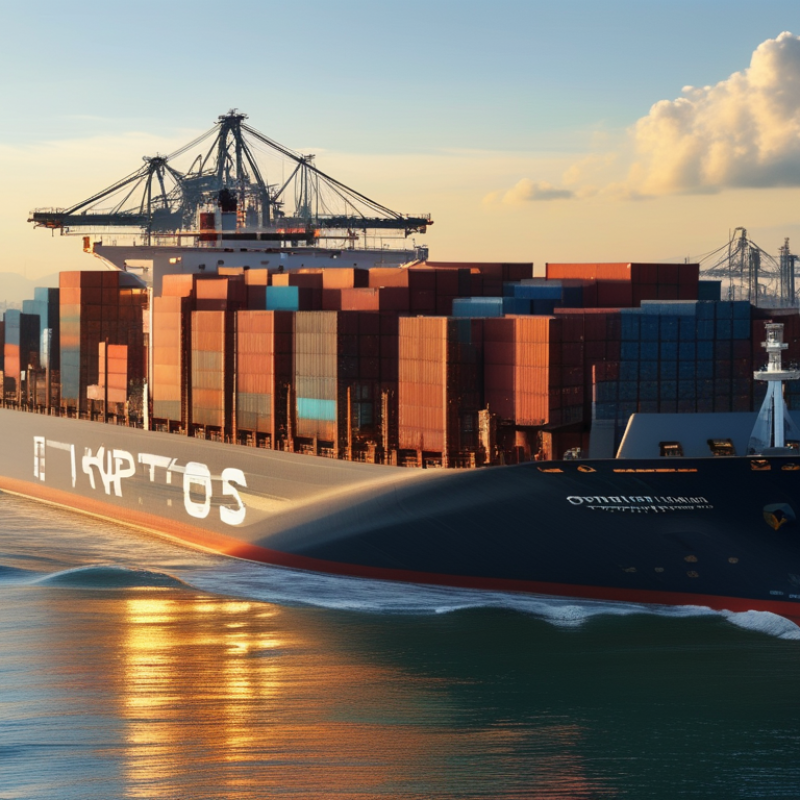
Why You Should Know How to Book Space with an Ocean Freight Forwarder?

Understanding Ocean Freight Forwarding and Its Importance

Understanding ocean freight forwarding is essential for businesses involved in international shipping. Ocean freight forwarders act as intermediaries between shippers and shipping lines. They manage logistics, documentation, and customs clearance. This expertise can significantly reduce the complexity and risk associated with global shipping.

When booking space with a freight forwarder, it's crucial to select someone with experience and a solid reputation. They can offer valuable insights on shipping schedules, container options, and costs. An experienced forwarder knows how to navigate unexpected delays, such as port congestion or adverse weather. Understanding these nuances can save businesses time and money, helping to avoid costly mistakes.

Consider how important timely delivery is for your business. A single misstep in logistics can lead to inventory shortages or canceled contracts. Partnering with a knowledgeable freight forwarder mitigates these risks. They ensure that all paperwork is in order, and shipments are tracked effectively. However, not all freight forwarders are created equal. Do your research and ask for recommendations to find the right partner for your needs.

Key Factors to Consider When Booking Space with Forwarders

Booking space with an ocean freight forwarder is more than just a logistical task. Understanding the key factors can significantly influence your shipping efficiency. One vital consideration is pricing. Rates can vary greatly between forwarders. Always inquire about hidden fees or additional charges that may apply. Getting a clear quote can save you money and avoid surprises.

Another aspect to consider is communication. A reliable forwarder should provide timely updates on shipping status. Discrepancies or delays can arise, and your forwarder should navigate these issues. Look for partners who are proactive in their communication styles. Transparency is essential; it builds trust and ensures that you stay informed throughout the shipping journey.

Lastly, consider their network and capacity. A forwarder with strong relationships with carriers can offer more options. They can negotiate better rates and find available space even during peak seasons. Assessing these factors can lead to a more seamless shipping experience. However, not all forwarders deliver equally. Research and choose wisely to minimize potential pitfalls.

Understanding Ocean Freight Forwarding: Key Factors

Step-by-Step Guide to Booking Your Ocean Freight Space

Booking space with an ocean freight forwarder can seem daunting, but a step-by-step approach makes it manageable. First, understand your shipping needs. Analyze what you are sending and its volume. The World Trade Organization reported global trade is expected to grow by 3.5% annually from 2021 to 2025. However, the demand for shipping space has its fluctuations. Knowing when to book is crucial.

Next, gather necessary documentation. You need commercial invoices, packing lists, and any specific certificates. The importance of accurate documentation cannot be overstated; up to 20% of shipments face delays due to paperwork issues. Filling out forms correctly ensures smooth handling of your freight.

When ready, reach out to the freight forwarder. Discuss available shipping routes and timelines. Don’t hesitate to ask questions about transit times and cost structures. A study by the Freight Transportation Research Group showed communication is a key factor in improving shipping performance. Remember, investing time in this process pays off. Attention to detail now can prevent costly mistakes later.

Why You Should Know How to Book Space with an Ocean Freight Forwarder? - Step-by-Step Guide to Booking Your Ocean Freight Space

Step Description Important Considerations Estimated Time
1 Identify Your Cargo Requirements Type of goods, volume, weight 1-2 Days
2 Select a Freight Forwarder Check reviews, services offered 2-3 Days
3 Obtain Quotes Compare rates and services 1 Week
4 Book Your Space Confirm details with forwarder 1-2 Days
5 Prepare Documentation Commercial invoice, packing list 1 Week
6 Track Your Shipment Monitor progress through updates Ongoing

Common Challenges in Ocean Freight Booking and How to Overcome Them

Booking ocean freight can be complex. Many face challenges that require expert handling. In 2023, around 28% of shipments experienced delays, according to a report by the International Maritime Organization. This problem can lead to increased costs and unhappy clients.


One common issue is capacity constraints. The shipping industry often sees fluctuations in demand. For instance, during peak seasons, ocean freight can become overbooked. A reliable freight forwarder can help navigate this. They have industry contacts and insights to secure space even when the market is tight.


Documentation errors are another hurdle. Inaccurate or incomplete paperwork can delay shipments. Research shows that about 20% of shipments are delayed due to documentation issues. Working with experienced forwarders can minimize such errors. They ensure that all documents meet regulatory standards and keep the process flowing smoothly. Their expertise can save businesses time and money while maintaining customer satisfaction.

Tips for Optimizing Your Shipping Process with Forwarders

When shipping goods internationally, using an ocean freight forwarder is essential. They help simplify the process, but knowing how to work with them effectively is key. Here are some tips for optimizing your shipping process with forwarders.

Communication is crucial. Provide clear and concise details about your cargo. Include dimensions, weight, and destination. Miscommunication can lead to costly delays. Regular updates are beneficial for tracking shipments. Confirm timelines and expectations early. It can save you from surprises later.

Choose the right forwarder for your needs. Research their credentials and experience. Look for reviews from previous clients. A reliable forwarder should understand customs regulations well. Unmet requirements at ports can cause concerns. Sometimes forwarders may not share all fees upfront. Always ask for a complete breakdown. This avoids unclear costs later on and helps you budget more accurately.

FAQS

: What role do ocean freight forwarders play in shipping?

: They act as intermediaries, managing logistics, documentation, and customs clearance. Their expertise minimizes risks and complexities.

Why is it important to choose an experienced freight forwarder?

An experienced forwarder offers insights on schedules, container options, and costs, helping avoid costly mistakes and delays.

How can delays in shipping affect my business?

Delays can lead to inventory shortages or canceled contracts. Timely delivery is crucial, so it’s essential to mitigate risks.

What documentation is needed for booking ocean freight?

You need commercial invoices, packing lists, and certain certificates. Accurate documentation is vital to avoid shipment delays.

How can I improve my shipping performance?

Effective communication with your freight forwarder is key. Discuss transit times and cost structures clearly to enhance overall process.

What are common challenges in ocean freight booking?

Common issues include capacity constraints and documentation errors. These can lead to delays and increased costs without proper handling.

How can capacity constraints impact my freight booking?

During peak seasons, overbooking can occur. A knowledgeable forwarder can help secure shipping space despite these fluctuations.

What should I do if my shipment is delayed?

Stay in contact with your freight forwarder. They can provide updates and help resolve issues to minimize further impact.

How can I ensure my paperwork is correct?

Work with experienced forwarders who can verify documents and compliance with regulations. Accurate forms are critical for smooth handling.

What happens if I make a mistake in booking?

Mistakes can lead to costly delays. Reflect on the booking process and seek guidance to improve future shipments.

Conclusion

Understanding how to book space with an ocean freight forwarder is crucial for businesses involved in international shipping. Ocean freight forwarding simplifies the logistics of transporting goods across oceans and can significantly impact shipping efficiency and costs. Factors to consider when booking include understanding freight rates, timelines, and the nature of goods being shipped.

The process typically involves a step-by-step guide to ensure smooth booking, from selecting the right forwarder to confirming the cargo details and documentation. However, challenges such as fluctuating rates and container availability can arise. Knowing how to navigate these common issues, paired with strategic tips for optimizing your shipping process, can lead to a more efficient and cost-effective logistics operation.

Ethan

Ethan

Ethan is a seasoned marketing professional with a deep expertise in our company's innovative product line. With a passion for sharing knowledge and insights, he takes the lead in regularly updating our corporate blog, where he explores industry trends, product features, and effective marketing......