Shipping goods across oceans is a complex process. It often results in long transit times, raising questions such as "why are ocean freight shipping transit times so long?" According to data from the World Shipping Council, delays can often be attributed to factors like port congestion and inadequate infrastructure. In recent years, the average shipping time has increased significantly. For instance, the average ocean transit time rose by 20% between 2020 and 2022, highlighting challenges in supply chain efficiency.
Another critical aspect is the impact of global events. The COVID-19 pandemic disrupted supply chains worldwide, leading to capacity shortages. Reports indicate that container ship delays reached an all-time high of 80% in some ports. Moreover, weather conditions and geopolitical tensions further exacerbate these issues. Poor visibility into shipment status can leave shippers uncertain, complicating logistics planning.
Ultimately, the reasons behind long ocean freight shipping times are multi-faceted. While the industry has made strides in improving reliability, significant hurdles remain. Addressing these challenges is essential for optimizing transit times and meeting customer expectations. Insights from industry experts will be crucial as businesses seek solutions in an ever-evolving landscape.
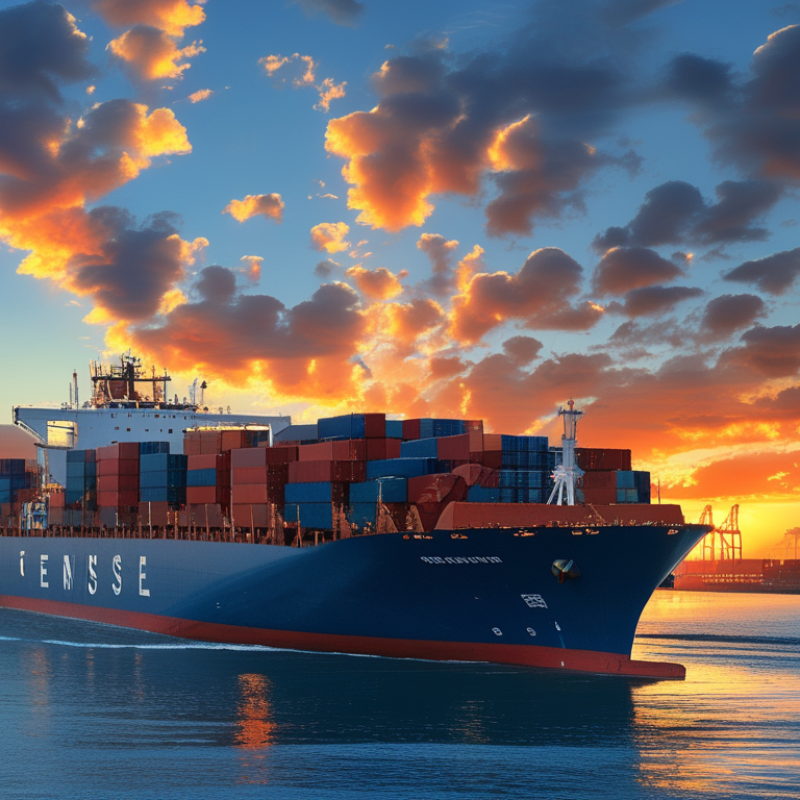
Port congestion significantly impacts shipment durations in China. With more vessels arriving than terminals can handle, delays become common. Ships may wait at anchor for days, causing a ripple effect throughout the supply chain. This situation is not just a logistical nightmare but also a financial burden for businesses relying on just-in-time delivery.
Tips: Monitor port traffic. Use apps to track congestion levels. Knowing when to ship can save time.
Freight capacity is often stretched thin. Limited dock space at major ports like Shanghai leads to increased waiting times. In some cases, containers may sit idle on ships or at the terminal. This can delay final delivery dates. While shipping costs fluctuate, delays can lead to additional charges. Businesses need to stay proactive in managing logistics.
Tips: Diversify shipping routes. Explore alternative ports or carriers. This can alleviate some congestion-related issues.
When planning shipments, consider factors beyond just cost. Engage with local freight forwarders for expert advice on current conditions. Understanding the port landscape helps in making informed decisions. The key lies in anticipating delays and preparing accordingly.
Customs procedures play a significant role in delaying ocean freight shipping times from China. Import and export regulations are complex and vary significantly from one country to another. Inefficient handling at customs can add several days, or even weeks, to the shipping process. Every shipment must comply with documentation requirements, which can create bottlenecks.
Customs officials often scrutinize shipments closely. This can result in additional inspections, leading to further delays. Complicated tariffs and duties can also cause misunderstandings. Sometimes, incorrect paperwork leads to shipments being held up indefinitely. Clearing goods through customs is an intricate dance that requires precision and expertise.
Moreover, the unpredictability of customs processes complicates logistics planning. Companies must often balance costs against time. While they strive for efficiency, unforeseen customs delays can disrupt arrangements, creating frustration. Freight forwarders need to work closely with customs brokers for smoother operations. Clear communication and adequate preparation can mitigate some of these challenges, yet the system is inherently flawed and remains a major concern for shippers.
Seasonal demand fluctuations significantly impact ocean freight shipping times. During peak seasons, such as holidays or back-to-school periods, cargo volumes surge. This increased demand often leads to congestion at ports. Ships may experience delays due to limited availability of containers and space. It creates a ripple effect through the entire supply chain.
Moreover, weather conditions can disrupt shipping schedules. For instance, storms and typhoons can halt operations. These environmental factors are unpredictable. Companies may face challenges in managing inventory levels as they rush to meet consumer needs. Meanwhile, carriers often struggle with the high volume of shipments, leading to potential backlog issues.
In addition, labor shortages can exacerbate delays during peak seasons. Ports may not have enough workers to handle cargo efficiently. This can result in longer unloading times. While many companies adapt to these fluctuations, it's clear that seasonal demand remains a critical factor in shipping delays. Reflecting on these challenges helps improve strategies for more efficient logistics management.
| Reason | Description | Impact on Shipping Time (Est. Days) |
|---|---|---|
| Seasonal Demand Fluctuations | High seasonal demand can result in increased shipping times due to congestion. | 5-10 |
| Port Congestion | Busy ports lead to delays in loading and unloading cargo. | 3-7 |
| Regulatory Changes | New shipping regulations can introduce delays as companies adjust their operations. | 2-5 |
| Weather Conditions | Severe weather can disrupt shipping schedules and routes. | 1-14 |
| Capacity Shortages | Limited vessel availability can slow down shipment processes. | 4-8 |
| Customs Delays | Long processing times at customs lead to extended transit times. | 2-6 |
| Equipment Availability | Shortage of containers and other equipment hampers shipping operations. | 3-5 |
| Labor Disputes | Strikes or labor shortages can significantly impact shipping time. | 5-15 |
| E-commerce Growth | Increased online shopping demands more shipping capacity, slowing down processes. | 2-8 |
Ocean freight shipping times from China are significantly impacted by vessel availability and scheduling. Many shipping companies face a shortage of vessels. The pandemic caused delays and increased demand. Ships that once traveled on predictable schedules now struggle to meet tight timelines.
Port congestion is another pressing issue. Major ports face bottlenecks, resulting in longer wait times for vessels. Some ships may sit idle for days or even weeks. This unpredictability adds frustration for shippers and logistics managers. Many companies are rethinking their shipping strategies in response to these delays.
Communication breakdowns also contribute to inefficiencies. When schedules change, timely updates may not reach all stakeholders. This lack of information can lead to misalignment in expectations. As a result, businesses may experience unexpected costs and uncertainties. Shippers often reflect on these challenges, realizing that agility in planning is essential.
Weather conditions significantly impact maritime transport delays. Inadequate visibility, storms, and rough seas can disrupt shipping schedules. According to the International Maritime Organization, adverse weather accounts for approximately 25% of shipping delays globally. This statistic underlines the importance of weather forecasting in maritime logistics.
Severe storms may force vessels to reroute or anchor for safety reasons. For instance, typhoons can stall shipping activities in the Western Pacific, causing delays of up to several days. Poor weather conditions increase transit times and lead to a ripple effect in supply chains.
Additionally, cold snaps can freeze ports and slow unloading. Data from the World Shipping Council suggest that extreme weather leads to a 15% increase in average delivery times. This inconsistency highlights the need for better preparedness in maritime operations. Despite advances in technology, unpredictable weather remains a challenge. The industry must address these delays and rethink strategies for efficient routing and scheduling.
This chart illustrates the top 10 factors contributing to long ocean freight shipping times, measured in days. Weather conditions have the highest impact, followed by port congestion and customs delays, among other reasons.
: Customs procedures can significantly delay ocean freight shipping times due to complex regulations.
Inefficient handling at customs can add several days or weeks to the shipping process.
Incorrect paperwork can lead to shipments being held indefinitely at customs.
Customs officials scrutinize shipments closely, which may lead to additional inspections and delays.
Adverse weather, like storms, can disrupt shipping schedules and cause significant delays.
Severe weather may force vessels to reroute, causing delays of several days.
Poor visibility, storms, and cold snaps can all increase transit times and disrupt operations.
Adverse weather accounts for about 25% of global shipping delays.
Cold snaps can freeze ports, slowing down unloading processes.
The industry needs to rethink strategies for efficient routing and scheduling to address delays.
The lengthy transit times associated with ocean freight shipping can be attributed to several key factors. One primary reason is the significant port congestion, which often leads to extended wait times for vessels to dock and unload cargo. Additionally, customs procedures can further complicate the process, resulting in delays as shipments undergo necessary inspections and clearances. Seasonal demand fluctuations also play a vital role; peak shipping periods can overwhelm logistics systems and contribute to longer transit durations.
Moreover, challenges related to ocean vessel availability and scheduling can hinder timely departures and arrivals. Finally, adverse weather conditions can disrupt maritime transport, leading to unforeseen delays in shipping schedules. Collectively, these issues answer the question of why are ocean freight shipping transit times so long, highlighting the complexities involved in global trade logistics.

Leoti Logistics