How to Arrange Customs Clearance for Air Freight Imports?

Time:2026-08-17 Author:Oliver
0%

Navigating the complexities of customs clearance for air freight imports requires precision and expertise. Industry reports indicate that over 20% of shipments face delays due to customs issues. Understanding how to arrange customs clearance for air freight imports is crucial to avoid these pitfalls. According to logistics expert John Smith, "Clearance is not a mere formality; it’s a strategic step in the supply chain." His insights highlight the importance of proactive measures.

Proper documentation is essential for smooth customs processing. Missing or incorrect paperwork can lead to increased costs and delays. The growing volume of air freight demands efficient customs processes. Research shows that streamlined clearance can reduce transaction times by up to 30%. This efficiency reflects the need for businesses to invest in customs expertise and technology.

However, the path to effective customs clearance is not without challenges. Companies often underestimate the complexity involved. Inadequate knowledge of regulations can cause significant setbacks. It's important to actively engage with customs professionals for compliance. Relying solely on automated systems may not cover unforeseen issues. The intricacies of tariff classification and valuation are critical to consider throughout the process.
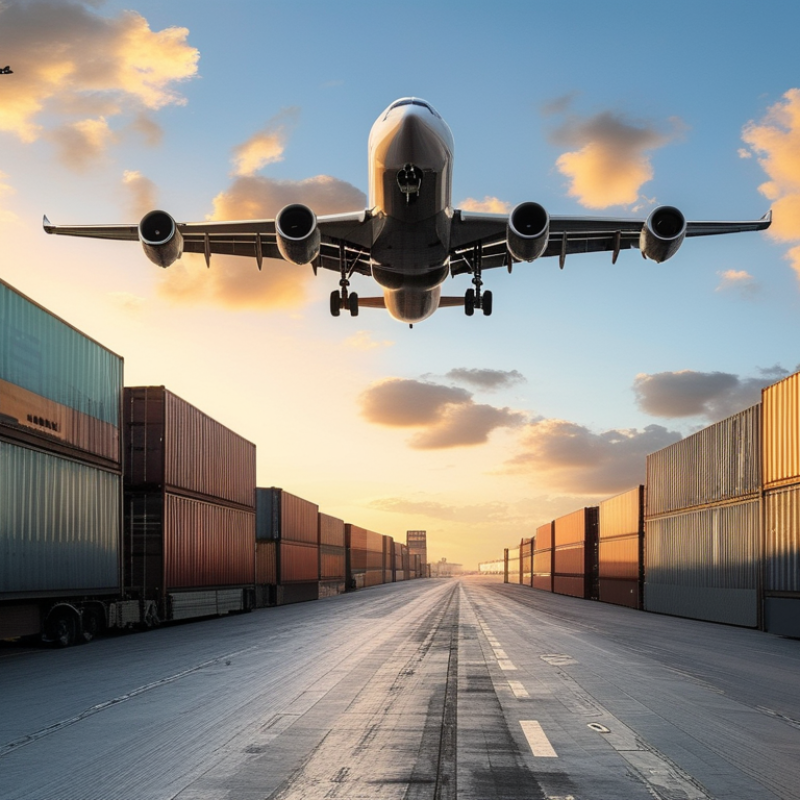
How to Arrange Customs Clearance for Air Freight Imports?

Understanding Import Regulations for Air Freight

Understanding import regulations for air freight is crucial for successful customs clearance. Each country has its own set of rules, which can change frequently. Staying updated on these regulations is essential. Accurate documentation is necessary to avoid delays. You might need permits, invoices, and packing lists, depending on the goods.

Different types of cargo can have varied regulations. For example, perishables may require specific certifications. Dangerous goods have strict transportation guidelines. It’s vital to know these details to prevent complications. Working with a knowledgeable freight forwarder can help, but you must also do your research. Rely on government resources that offer up-to-date information on import laws.

Mistakes in declaring items can lead to fines. It's important to reflect on past experiences, learning from these challenges. Communication with customs brokers can clarify any uncertainties. Despite having the right paperwork, issues may still arise. Building a strong understanding of import regulations will equip businesses to navigate these hurdles effectively.

Preparing Required Documentation for Customs Clearance

When handling air freight imports, preparing the required documentation for customs clearance is crucial. The process begins with the air waybill (AWB), which serves as a contract between the shipper and the airline. Next, ensure the commercial invoice clearly states the value, description, and quantity of the goods. It is essential that all details match the shipment. Inaccuracies in documentation can lead to delays and additional costs.

You may also need a packing list that outlines the contents of each package. This document is crucial for customs officers. It helps them verify the shipment's contents and ensures compliance with regulations. Additionally, depending on the nature of your goods, specific permits or certificates might be necessary. For instance, items like food or electronics often require specific approvals.

The customs process can be daunting, especially for beginners. Ensuring that all documentation is complete and accurate can be overwhelming. Frequent mistakes include missing signatures or incorrect product codes. These errors can cause significant delays in clearance. Attention to detail is essential. Take the time to review all forms and seek guidance if needed. Seeking help from customs experts can significantly enhance the efficiency of the process.

How to Arrange Customs Clearance for Air Freight Imports? - Preparing Required Documentation for Customs Clearance

Document Type Description Importance Notes
Commercial Invoice A document provided by the seller to the buyer that outlines the sales transaction. Essential for Customs to assess duties Must reflect the sale terms and actual transaction value.
Packing List Details the items included in the shipment and their packaging. Helps in verifying the contents of the shipment Should match the commercial invoice.
Air Waybill Receipt issued by an airline for goods and as a contract for transport. Required to track shipment and confirm arrival Non-negotiable document.
Import License A government document authorizing the importation of goods. Mandatory for restricted goods Check with relevant authorities for requirements.
Customs Declaration A form declaring the details of the goods being imported. Crucial for Customs clearance process File electronically or manually as appropriate.

Choosing a Reliable Customs Broker for Air Freight

Choosing the right customs broker is crucial for successful air freight imports. A skilled customs broker navigates complex regulations and ensures compliance, which can save both time and money. According to the International Air Transport Association (IATA), delays in customs can lead to significant logistical costs. In fact, nearly 25% of air cargo is delayed due to customs issues.

When selecting a customs broker, look for relevant experience and expertise. A broker should be familiar with the specific regulations of your industry. From the automotive sector to pharmaceuticals, each has unique requirements. The World Customs Organization reported that approximately 60% of businesses face customs-related challenges. A knowledgeable broker helps mitigate these risks.

It's important to verify their credentials. A reputable broker should have proper certifications, such as C-TPAT for trusted trade partners. Communication is vital, too. A good broker responds promptly to inquiries and offers clear guidance. Trust your instincts; if something feels off in the interaction, reassess the choice. An effective customs broker can make a significant difference, but the wrong one can lead to costly delays and penalties.

Understanding Duties and Taxes on Imported Goods

When importing goods via air freight, understanding duties and taxes is crucial. The World Customs Organization (WCO) reports that global trade compliance remains complex. Each country has different duty rates and tax structures. It requires careful analysis to avoid unexpected costs.

For instance, import duties can vary widely. In the European Union, duties can range from 0% to 20% based on the product category. Additionally, value-added tax (VAT) may also apply. This can increase the total cost significantly. A report by the International Air Transport Association (IATA) highlights that duties alone can add up to 25% of the good’s value in some regions.

Navigating these regulations can be daunting. Many importers struggle to keep up with changing regulations and tariffs. Even small mistakes can lead to delays and additional fines. It’s essential to work with a customs broker for accurate assessments. Reliable data and expertise can help mitigate risks associated with compliance. Embracing technology can also streamline the customs process. However, many businesses still rely on outdated systems, leaving room for error.

Monitoring the Clearance Process and Resolving Issues

When engaging in air freight imports, monitoring the customs clearance process is vital. Delays can occur due to incomplete documentation or issues with compliance. Keeping a close eye on the status of your shipment helps identify problems early on. Communication with customs brokers or freight forwarders is essential. They can provide updates and assistance in resolving any complications.

Tips: Regularly check your shipment status. Use tracking tools provided by your freight forwarder. This proactive approach can save you time and stress.

If an issue arises, swift action is key. Understand the reason for the delay. It might be due to improper paperwork or a customs audit. Address these issues promptly by supplying any required documents. Don't hesitate to consult with experts who can guide you through complex regulations.

Tips: Maintain all import documents in one place. It ensures that you can act quickly when requested by customs. Always have a backup plan in case of unexpected delays. Sometimes, planning for contingencies can make all the difference.

FAQS

: What is the first document required for customs clearance in air freight imports?

: The air waybill (AWB) is the first document. It acts as a contract between the shipper and the airline.

Why is the commercial invoice important?

The commercial invoice must clearly state the goods' value and description. Inaccuracies can lead to delays and extra costs.

What is the role of a packing list?

A packing list outlines each package's contents. It helps customs officers verify compliance during inspections.

What types of goods require specific permits?

Items like food and electronics often need specific approvals. It's essential to check regulations before shipping.

How can mistakes in documentation affect customs clearance?

Frequent mistakes include missing signatures or incorrect codes. These can cause significant delays or additional penalties.

What should you look for in a customs broker?

Experience and knowledge of industry regulations are vital. A good broker can save time and avoid costly issues.

Why is communication important when choosing a customs broker?

Clear and prompt communication is essential. If something feels off, it’s wise to reassess the broker’s suitability.

How can duties and taxes affect import costs?

Import duties can range significantly by country. They may add up to 25% of the goods' value in some cases.

What challenges do importers face regarding duties and taxes?

Many struggle to keep pace with changing regulations. Small mistakes can result in delays and hefty fines.

How can technology improve the customs process?

Embracing technology can streamline operations. However, relying on outdated systems leaves room for errors.

Conclusion

Arranging customs clearance for air freight imports involves several crucial steps to ensure a smooth process. First, it's essential to understand import regulations specific to the destination country, as these rules dictate what is permissible and the necessary procedures. Preparing the required documentation, including invoices, packing lists, and bills of lading, is vital for compliance and can significantly affect the efficiency of the clearance process.

Choosing a reliable customs broker for air freight is also a key decision, as experienced brokers can help navigate complex regulations and facilitate timely clearance. Additionally, understanding duties and taxes applicable to imported goods allows importers to better manage costs. Finally, actively monitoring the clearance process and being prepared to address any issues that arise will help ensure that goods are delivered on time. In summary, knowing how to arrange customs clearance for air freight imports is essential for successful international trade.

Oliver

Oliver

Oliver is a seasoned marketing professional with a wealth of expertise in driving brand awareness and engagement. With a deep understanding of our company's product offerings, he consistently delivers high-quality content that enriches our professional blog. His insights not only shed light on......