In ocean freight, a bill of lading is more than a shipping document. It records what the carrier received, where the cargo travels, and who may claim it. A warehouse clerk may check its container number, seal, package count, and destination before releasing the shipment. Small errors can create expensive delays. One wrong digit may send staff back to the booking file, packing list, and carrier system.
So, how does the bill of lading work in ocean shipping? The process begins when the shipper provides accurate cargo and voyage details. The carrier or its agent then issues the bill after receiving the goods, subject to the stated terms. It can serve as evidence of the transport agreement and a receipt for the cargo. In some transactions, it may also support control over delivery, depending on its form and applicable trade arrangements. Original paper bills, sea waybills, and electronic records do not work in exactly the same way. That distinction matters.
A reliable review should compare the bill with the commercial invoice, packing list, booking confirmation, and container records. Look closely at the shipper, consignee, notify party, freight status, and cargo description. Do not rely on familiar templates without checking the actual shipment. Carriers, freight forwarders, exporters, importers, and banks may each examine different fields. Their experience often reveals practical risks that a quick glance misses. This guide explains the document step by step, while recognizing that shipping procedures can vary by carrier, route, contract, and jurisdiction. Mistakes happen. Careful verification remains the strongest safeguard.
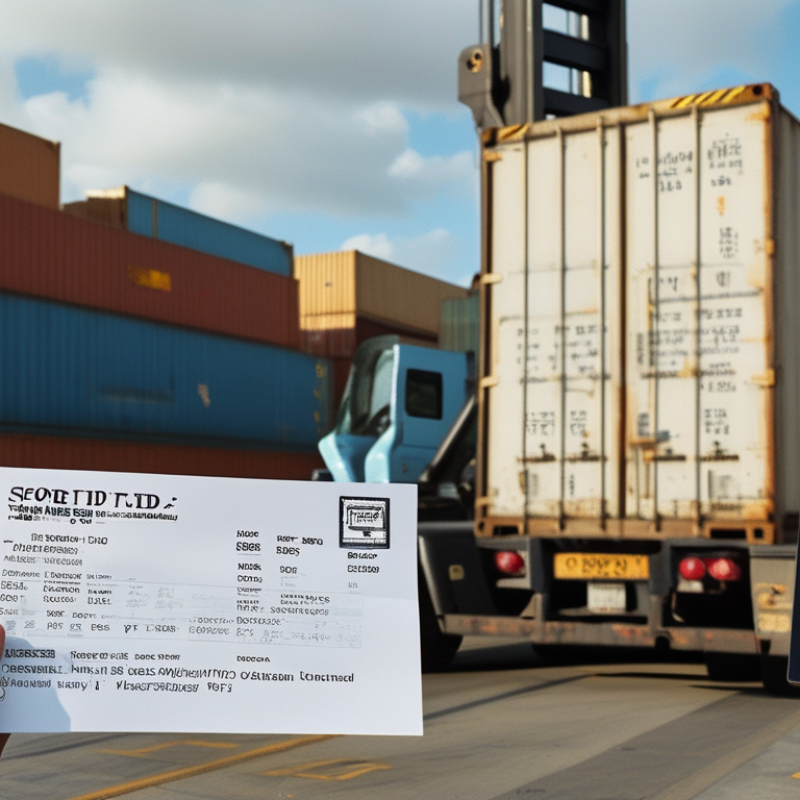
A bill of lading is a key document in ocean shipping. It records the shipper, consignee, vessel, loading port, discharge port, and cargo details. It also confirms that the carrier received the goods for transport. A container may be described by its number, seal number, package count, gross weight, and visible condition. These details matter when the cargo arrives.
The bill of lading also sets out transport terms between the shipper and carrier. In some shipments, it can support cargo release or act as a document of title. A negotiable bill may allow control of the goods to change during transit. Other shipments use a sea waybill, which usually offers simpler release procedures. The correct document depends on the transaction and delivery instructions.
Small errors can create expensive delays. A wrong consignee name, missing seal number, or inaccurate weight may trigger questions at the port. Experienced shipping teams compare the draft with the commercial invoice, packing list, and container records before approval. They also check whether the cargo description is specific enough. This step is easy to rush. It should not be. A bill of lading is not merely paperwork; it helps connect physical cargo with financial, operational, and delivery responsibilities. Yet it is not flawless. If the document reflects incorrect information, it cannot reliably protect the parties involved.
| Shipping Dimension | What the Bill of Lading Shows or Does | Typical Information or Practice | Why It Matters to Ocean Shippers |
|---|---|---|---|
| Document type | A bill of lading is a transport document issued for an ocean shipment. | It records the shipment details and the agreed carriage terms. | It creates a consistent record for the shipper, carrier, consignee, banks, insurers, and customs authorities. |
| Receipt for cargo | The carrier acknowledges receipt of the goods for transportation. | The document may state the number of packages, marks, gross weight, container number, and seal number. | It helps establish what cargo was received and provides evidence if quantity or condition is later disputed. |
| Evidence of contract | It evidences the contract of carriage between the carrier and the relevant cargo interests. | Terms may cover the ports, routing, freight, liability limits, claims procedures, and applicable rules. | The parties can use the stated terms to understand responsibilities and assess potential claims. |
| Title function | A negotiable bill of lading can represent control of the goods while they are in transit. | A properly transferred original may be required to obtain delivery, subject to the carrier’s procedures and applicable law. | It can support cargo sales, trade finance, and control over delivery during the voyage. |
| Parties identified | The document identifies the shipper, consignee, notify party, and carrier. | The consignee may be a named party or the order of a party, depending on the document type. | Accurate party details help prevent delivery delays, misdirection, and document-matching problems. |
| Port and routing data | It identifies the place of receipt, port of loading, port of discharge, and place of delivery when applicable. | A shipment may move through one or more transshipment ports before reaching its destination. | The routing affects transit planning, customs coordination, insurance exposure, and delivery timing. |
| Cargo description | It describes the goods being carried. | Descriptions commonly include package count, commodity wording, container details, weight, volume, and shipping marks. | Clear descriptions support cargo identification, customs processing, and comparison with commercial documents. |
| Cargo condition notation | The bill may be issued as clean or may include qualifying remarks about apparent condition. | A clean bill does not guarantee the internal condition of packaged goods; it generally indicates no adverse notation was made about apparent external condition. | The notation can affect documentary compliance, payment under trade-finance arrangements, and later claims. |
| Freight terms | It may state the freight amount, payment status, and related charges. | Freight can be marked as prepaid or payable at destination, depending on the commercial arrangement. | Freight status helps determine who pays the carrier and whether delivery may be subject to outstanding charges. |
| Issue and loading dates | It records the date of issuance and may include an on-board date. | The on-board date generally indicates that the goods were loaded on the vessel identified for the voyage. | Dates may be important for documentary deadlines, letters of credit, insurance, and delivery planning. |
| Negotiable versus non-negotiable | The bill may be issued in a form that is transferable or in a form intended only as evidence of carriage. | An order bill is commonly associated with negotiability; a straight bill names a specific consignee and is generally non-negotiable. | The form determines how control and delivery rights may be transferred. |
| Original documents | Traditional shipments may use a set of signed original bills of lading. | The number of originals is stated on the document; carriers commonly require the applicable original or an approved alternative before delivery. | Document control reduces the risk of unauthorized release, loss, or duplicate claims. |
| Electronic bill of lading | An electronic bill of lading records the same core transport information in a digital system. | Its legal effectiveness depends on the governing law, contract terms, and the electronic system used by the parties. | Digital handling can reduce courier time, document loss, and administrative delays when all parties accept the system. |
| Issuance workflow | The carrier or its authorized agent issues the bill after receiving shipping instructions and relevant cargo information. | The shipper reviews draft details, requests corrections, and receives the final document after the required transport event or documentation check. | Reviewing drafts early helps correct names, quantities, ports, marks, and dates before the shipment reaches its destination. |
| Delivery process | It helps the carrier determine whether the party requesting delivery is entitled to receive the cargo. | Delivery may require presentation, surrender, electronic transfer, or another release instruction, depending on the bill and local procedures. | Correct delivery procedures protect the carrier from unauthorized release and help the consignee obtain cargo efficiently. |
| Claims and disputes | The bill provides evidence for evaluating loss, damage, delay, shortage, or misdelivery claims. | Claims usually require supporting records such as commercial invoices, packing information, photographs, inspection reports, and delivery receipts. | Accurate records improve the ability to establish what was shipped, received, and potentially damaged. |
| Document consistency | The bill should align with the commercial invoice, packing list, customs entries, insurance documents, and trade-finance requirements. | Common consistency checks include party names, cargo description, package count, weight, ports, container number, and shipment dates. | Mismatches can cause customs holds, payment delays, amendments, storage costs, or delivery problems. |
: It is an ocean shipping record. It confirms cargo receipt and transport terms. In some cases, it also represents control over the goods.
The shipper provides cargo details and delivery instructions. The carrier transports the shipment under agreed terms. The consignee receives the cargo at destination. A notify party receives arrival updates. A freight forwarder may arrange bookings and documents.
It may list the vessel, voyage, ports, and delivery location. It also records package counts, marks, container numbers, seals, and gross weight. Freight terms, dates, and signatures may appear.
Visible damage should be recorded before handover. Examples include torn packaging or wet cartons. These notes may affect later responsibility discussions. A missing remark can create doubt.
A wrong container number may delay cargo release. An unclear description can create inspection questions. Teams should compare the document with packing records and container details. Digital checks help, but careful review remains necessary.
Often, yes. Endorsement and delivery of the original may transfer certain rights. At destination, the carrier may check the document and presenter’s authority. This does not automatically prove absolute ownership.
The result depends on the sales contract, endorsements, payment terms, and applicable law. A stamped original beside a matching container number may support release. Still, one document rarely answers every ownership question.
A sea waybill normally identifies the consignee without transferring title through endorsement. It may speed delivery. However, it provides less control when payment remains unsettled. That trade-off deserves attention.
No. A wrong consignee, duplicate record, or delayed update may block delivery. Digital systems reduce manual work, but they cannot fix incorrect information. Human review is still needed.
Compare the bill with packing lists and container details. Confirm names, ports, weights, seals, and delivery instructions. Check cargo condition notes carefully. One overlooked field may cause a costly delay.
A bill of lading is a key document in ocean shipping that connects the shipper, carrier, and consignee. It serves as a receipt confirming that the carrier has received the cargo, records essential details such as the goods’ description, quantity, packaging, loading point, destination, and transport terms, and provides evidence of the shipping arrangement. Understanding how does the bill of lading work in ocean shipping helps businesses track responsibility and organize international cargo movement.
After the cargo is received and the shipment details are verified, the carrier or its authorized representative issues the bill of lading. Depending on its form and instructions, the document can control who may claim the cargo and whether certain transfer or ownership rights can be assigned. When the shipment reaches its destination, the carrier checks the presented document and delivery instructions before releasing the cargo to the properly authorized recipient. This process supports orderly handover, reduces confusion, and creates a clear record throughout the shipment.

 Leoti Logistics