When shipping goods by air, understanding size restrictions is vital. Businesses must ask, "what are the maximum dimensions for standard air cargo?" Global air freight capacity is limited, and dimensions directly impact costs and handling. According to the International Air Transport Association (IATA), proper dimensioning can enhance efficiency and reduce delays.
Standard air cargo dimensions typically include length, width, height, and weight limits. For example, most airlines enforce a maximum dimension of 3 meters in length for standard shipments. Failing to adhere to these guidelines can lead to rebooking, additional fees, or refusal of service. Industry reports suggest that nearly 25% of cargo is delayed due to improper sizing.
While these dimensions provide a framework, variations exist among carriers. Each airline may have distinct rules, so it’s crucial to verify. Misunderstanding maximum dimensions not only risks shipment delays but also affects customer satisfaction. A thorough knowledge protects against costly mistakes.
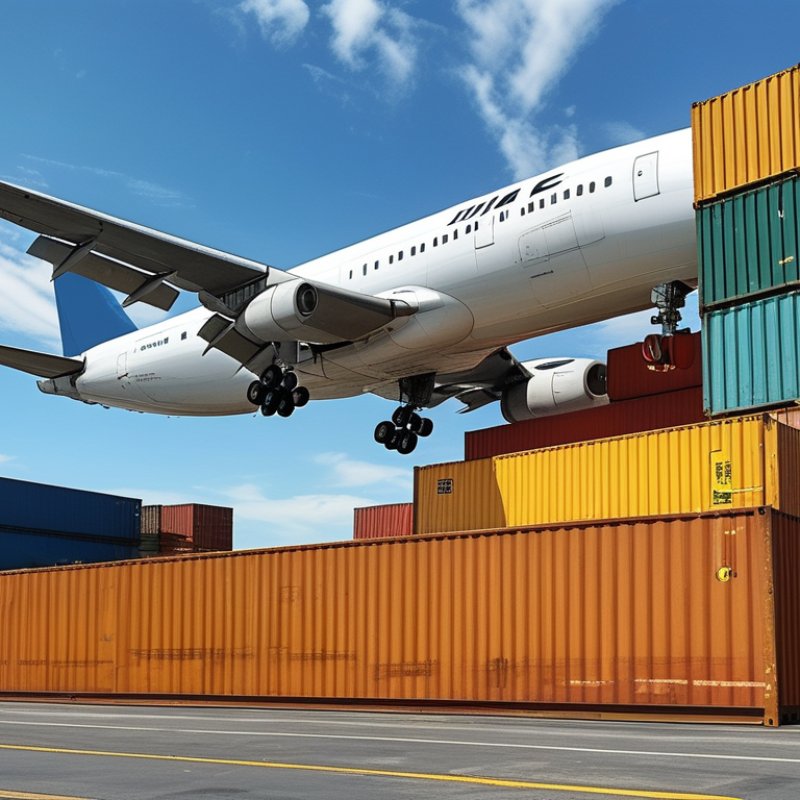
When it comes to air cargo, understanding the dimensions is crucial for logistics planning. Standard air cargo dimensions can vary based on the aircraft and the cargo type. Most commercial airlines follow guidelines set by the International Air Transport Association (IATA). According to the IATA, the general maximum dimensions for air cargo typically fall around 125 inches in length, 79 inches in width, and about 59 inches in height for unit load devices (ULDs). Ensuring adherence to these standards can prevent costly delays.
When preparing cargo for air transport, consider weight limits. A typical maximum weight per ULD often caps at about 1,500 lbs. However, individual airlines may have specific designations. Leveraging industry reports highlights that exceeding these dimensions can lead to oversize charges or, worse, refusal of service. Visualizing your cargo's dimensions against standard guidelines can save both time and money.
Networking with logistics experts can provide valuable insight. They often share practical experiences managing unique cargo. Engage with industry forums or workshops to broaden your knowledge. Understanding different airlines' policies can shed light on the best practices your company should follow. Being proactive about these aspects can elevate your cargo management strategy and ensure smoother operations.
When understanding maximum dimensions for standard air cargo, several key factors come into play. One critical aspect is the type of aircraft used. Each aircraft has its own specifications regarding size and weight limits, directly impacting cargo dimensions. Additionally, weight distribution is vital; uneven loading can affect flight safety.
Regulatory constraints also influence cargo sizes. Different countries have specific rules regarding dimensions and weights for imported and exported goods. These regulations may be complex and require thorough understanding and compliance.
In some cases, the nature of the goods themselves will dictate maximum dimensions. Fragile items may need custom packaging that could alter standard size parameters. Always consider these specific requirements before shipping.
For better planning, check cargo manifests early. Understanding aircraft limits aids in effective packing. Consult with air freight professionals for insights tailored to specific needs. Stay informed about changing regulations to avoid costly delays.
When considering air cargo transport, knowing the aircraft's cargo capacity is essential. Different aircraft serve various needs. For instance, narrow-body planes typically carry less than wide-body alternatives. A Boeing 737 can transport around 20,000 pounds of freight, while a Boeing 747 can manage over 100,000 pounds. These numbers highlight significant differences between aircraft types.
Understanding these capacities ensures proper planning for shipments. Weight limits matter. A plane's layout impacts how much cargo can fit securely. It's crucial to consider dimensions along with weight. A large item may fit within the weight limits but could exceed space constraints. Cargo must be loaded properly to avoid damage.
When examining aircraft choices, factors like cargo dimensions and weight are vital. Misjudging these can lead to delays or extra costs. It’s not just about getting things from point A to B; planning is essential. Reflecting on past experiences may reveal patterns in cargo management that save time and trouble in the future.
Exploring common aircraft helps avoid frequent pitfalls in air cargo logistics.
Understanding regulations around air cargo dimensions is crucial for shippers. The International Air Transport Association (IATA) outlines standard dimension limits. For most air cargo, the maximum dimensions are often 3 meters in length and 2.5 meters in width. However, specifics can vary based on the airline and cargo type.
Airlines typically enforce weight limits as well. The maximum allowable weight for a standard piece of cargo can reach 200 kilograms. However, oversize items may incur additional fees. Data from IATA suggest that around 15% of air cargo is classified as oversized, which can affect overall shipping costs. Shippers must verify dimension regulations specific to each airline to avoid unexpected fees.
Consider dimensions carefully. Not all cargo can fit standard dimensions. This can lead to re-evaluation and possible redesign of packaging. In this fast-paced industry, ensuring compliance can save significant time and money. Mistakes or oversight in understanding these regulations can hinder the shipping process and impact timelines.
| Aircraft Type | Maximum Length (in cm) | Maximum Width (in cm) | Maximum Height (in cm) | Maximum Weight (in kg) |
|---|---|---|---|---|
| Boeing 747 | 300 | 200 | 160 | 100,000 |
| Airbus A330 | 280 | 220 | 150 | 90,000 |
| Boeing 777 | 310 | 230 | 160 | 102,000 |
| MD-11 Freighter | 280 | 200 | 150 | 90,000 |
Measuring air cargo accurately is crucial to maximizing space and ensuring compliance. According to IATA, air cargo volume reached over 200 million tonnes in 2022, underscoring the importance of effective measurement methods. Understanding standard dimensions will help logistics managers optimize freight efficiency.
For accurate measurements, use a reliable measuring tape or laser device. Always measure the length, width, and height of the cargo. Keep your measurements consistent. A slight variation can affect the overall cargo calculation. Most airlines have specific dimensional weight formulas; exceed these and you may incur additional charges.
To avoid errors, employ these strategies: visualize the cargo's orientation in the aircraft. This helps determine how best to arrange items. Remember to factor in packaging. Even slight changes in packaging materials can impact total dimensions.
Considerations like air freight weight limits are essential. The weight restricts cargo size and dimension capabilities. When in doubt, consult resources from aviation authorities or industry reports for precise guidelines. Air cargo professionals often share lessons learned from past inaccuracies. Engage with them to refine your techniques.
This chart illustrates the maximum standard dimensions for air cargo, detailing the allowable measurements for length, width, and height. Properly measuring your cargo can help ensure compliance with air freight regulations.
: Standard maximum dimensions often reach around 125 inches in length, 79 inches in width, and 59 inches in height.
A typical ULD can hold up to about 1,500 lbs, but airlines may have specific limits.
Adhering to dimensions prevents costly delays and potential refusal of service due to oversize cargo.
Factors include the type of aircraft, weight distribution, regulatory constraints, and the nature of the goods.
Use a reliable measuring tape. Measure length, width, and height consistently for accurate calculations.
Exceeding limits can lead to oversize charges or even refusal of service from airlines.
Visualize cargo orientation and consider packaging materials, as they can impact total dimensions.
Network with logistics experts, engage in forums, and stay updated on policies for better operations.
Consult aviation authorities or industry reports for precise guidelines and tailored insights.
Uneven loading can affect flight safety, making weight distribution crucial for air transport.
Understanding what are the maximum dimensions for standard air cargo is essential for ensuring that shipments comply with airline regulations and can be transported efficiently. Various factors influence the maximum air cargo size, including the type of aircraft and its specific cargo capacity, which varies widely among different models. Additionally, air cargo regulations set by aviation authorities play a crucial role in defining these limits, ensuring safety and consistency in air transport.
To optimize cargo space and enhance logistics planning, it's vital to follow best practices for measuring air cargo accurately. This involves using standardized measuring techniques and being aware of dimensional restrictions that may be imposed by airlines or regulatory bodies. By understanding these components, shippers can avoid delays and ensure that their cargo arrives safely and on time within the defined maximum dimensions for standard air cargo.

Leoti Logistics