Shipping goods efficiently is crucial for businesses. Many companies often face the dilemma of choosing the right shipping method. Among them, ocean freight stands out as a preferred choice. Why is ocean freight the most cost-effective shipping method?
Ocean freight offers unparalleled cost savings for large shipments. The ability to transport thousands of tons of cargo significantly reduces the cost per unit. Additionally, shipping by sea typically incurs fewer fees compared to air freight. This method also provides ample space for various types of goods. However, it requires careful planning and can be slower. Some may overlook the advantages due to transit time. Yet, for many businesses, the savings on costs outweigh the wait.
Moreover, ocean freight is increasingly recognized for its eco-friendliness. This shipping method can lead to lower carbon emissions per ton transported. In a world prioritizing sustainability, this aspect is more relevant than ever. Therefore, understanding why ocean freight is the most cost-effective shipping method is critical for informed decision-making. Embracing this approach could shape the future of global commerce.
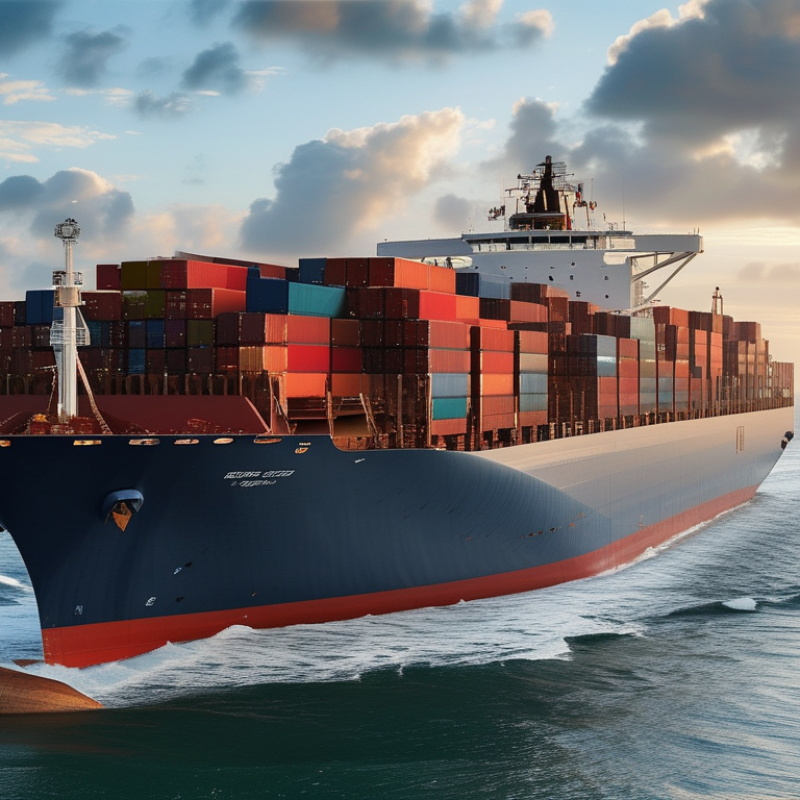
Ocean freight has established itself as a cornerstone of global shipping. With recent reports indicating that around 90% of international trade relies on maritime transport, its efficiency is undeniable. Costs for ocean freight can be significantly lower than air transportation. On average, shipping a container by sea can be up to five times cheaper than by air, allowing businesses to maximize their margins.
One remarkable benefit of ocean freight is its capacity. A standard container ship can carry about 20,000 TEUs (Twenty-foot Equivalent Units). This sheer volume enables companies to transport large quantities of goods at once, reducing per-unit shipping costs. In fact, studies suggest that ocean freight represents, on average, only 1% of the total cost of goods sold, making it a vital option for businesses aiming for cost-effectiveness in their supply chains.
Additionally, ocean freight is more environmentally friendly than other modes of transport. According to industry studies, maritime shipping accounts for approximately 2-3% of global carbon emissions. While it's crucial to reflect on the need for greener solutions, advancements in technology are paving the way for more sustainable practices. Hybrid ships and cleaner fuels are emerging innovations, aiming to reduce the environmental impact of seaborne transportation.
: Ocean freight refers to transporting goods via sea. It is cost-effective for bulk shipments.
Ocean freight is cheaper but slower. Air freight is fast, ideal for small, valuable items.
Shipping a 20-foot container usually costs around $1,200. Bulk shipments can save significantly.
Ocean freight takes weeks for delivery. Delays can occur due to weather or port congestion.
Effective planning helps avoid disruptions. It is crucial for managing customs clearance and scheduling.
Marine transport produces less CO2 than air shipping. However, sustainable practices vary among shipping partners.
Yes, delays can occur unexpectedly. Planning must account for these risks to maintain schedules.
Understanding routes and schedules can help. Reliable communication with shipping partners is key.
They may prioritize speed over cost. This can lead to higher expenses and impact budgets.
Transporting large volumes reduces individual shipping costs. This is why many companies prefer ocean freight.
Ocean freight has emerged as the most cost-effective shipping method for businesses engaged in global trade. This is largely due to its numerous benefits, including the ability to accommodate large shipments at lower rates compared to air and land transportation. When conducting a comparative analysis, it becomes apparent that ocean freight not only reduces shipping costs but also offers greater flexibility in terms of cargo capacity and routing options.
Factors contributing to the cost-effectiveness of ocean freight include economies of scale and lower fuel consumption per ton-mile, making it a preferred choice for bulk goods. Additionally, key considerations for choosing ocean freight involve assessing the shipment volume, delivery timelines, and environmental impact. Ocean freight services have also evolved to prioritize sustainability, thereby supporting businesses that are environmentally conscious. Ultimately, understanding why ocean freight is the most cost-effective shipping method allows companies to optimize their logistics strategies while considering economic and ecological factors.

 Leoti Logistics