In an increasingly globalized world, logistics and transportation have become essential for businesses. A sea-air multimodal transport solution offers a unique method for moving goods efficiently. Dr. Emily Chen, an expert in logistics solutions, defines it well: "A sea-air multimodal transport combines the strengths of both modes to optimize time and cost."
The essence of a sea-air multimodal transport solution lies in its versatility. By utilizing both shipping and air freight, companies can achieve faster delivery times while managing costs effectively. This method is particularly beneficial for time-sensitive and high-value cargo. However, it also poses challenges such as coordination and timing, which require careful planning and expertise.
Understanding "what is a sea-air multimodal transport solution" goes beyond mere definition. It encompasses the need for reliable partnerships and efficient operations. Businesses must consider their own strengths and weaknesses in logistics. While this solution offers numerous benefits, it demands a commitment to continuous improvement and reflection on operational practices.
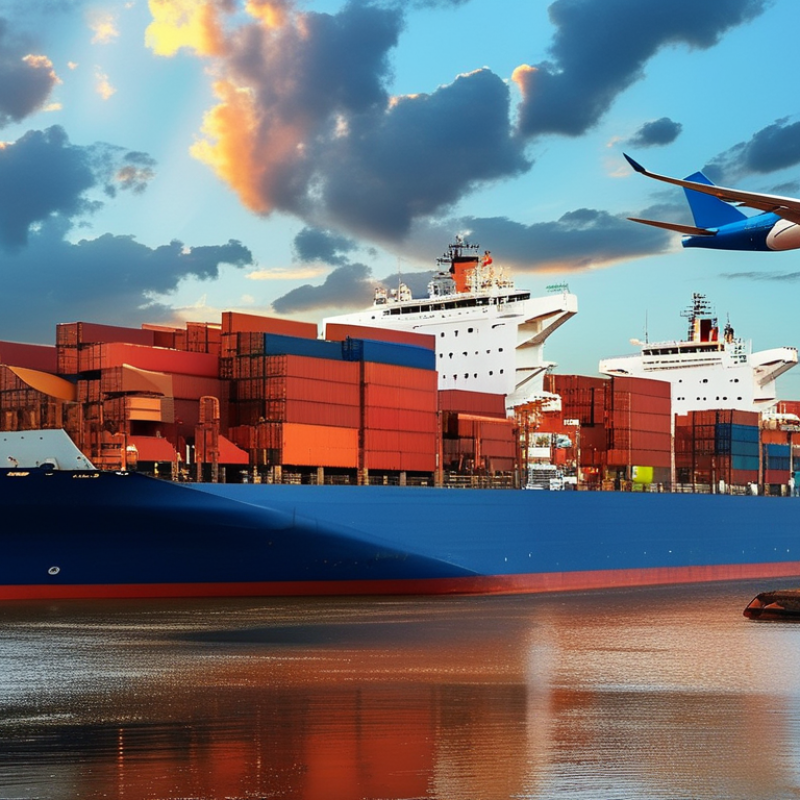
Sea air multimodal transport solutions offer numerous advantages for businesses seeking efficient logistics options. By combining sea and air transport, companies can optimize their shipping processes. This method is particularly effective for large volumes of goods that require speedy delivery. For instance, perishable items benefit greatly from this approach. Transporting fresh produce by sea and then air can significantly reduce transit times.
One key benefit is cost efficiency. Shipping heavy payloads by sea can minimize expenses, while utilizing air freight for last-mile delivery ensures timely arrival. This combination strikes a balance between affordability and speed. Additionally, multimodal transport enhances flexibility. Companies can select the best routes based on ever-changing market demands. However, coordinating between different transport modes can present challenges. There may be communication gaps or delays in transit that need careful management.
Another noteworthy aspect is improved reliability. Companies can track their shipments closely, providing updates at various stages. This transparency helps in planning and managing inventory. However, complexities in customs clearance and handling could arise, which necessitates expert guidance. Despite these hurdles, the benefits of reduced transit times and cost savings continue to attract businesses to sea air multimodal solutions.
When assessing shipping options, it’s essential to compare sea air multimodal transport with traditional methods. Traditional shipping relies heavily on ocean freight, often taking weeks to deliver goods. The average transit time for sea freight can be 20-40 days, depending on the routes. In contrast, sea air multimodal transport combines the swift speed of air with the cost-effectiveness of sea. This method reduces transit times significantly—sometimes up to 40% faster.
Moreover, large logistics firms report that using multimodal solutions can lead to cost savings of 30% compared to purely air transport methods. According to a 2022 report from the International Logistics Association, 63% of companies noted improved inventory turnover when using multimodal solutions. They appreciated the balance between speed and expense, as air freight alone can quickly balloon costs by 200%. Yet, multimodal options still encounter challenges. Issues like coordinating logistics between different transport modes can lead to delays. Sometimes, shipments face bottlenecks at ports or during transfers.
The flexibility of sea air multimodal transport creates new opportunities but requires careful planning. A seamless integration of services is vital to optimize efficiency. While some businesses find success, others struggle with reliability. Understanding these nuances can help companies make informed decisions about their logistics strategies.
Sea air multimodal transport offers remarkable cost efficiency for businesses. By combining ocean shipping and air freight, companies can significantly reduce transportation expenses. Ocean transport is typically less expensive than air, allowing businesses to ship bulk items efficiently. Air freight, though costlier, provides speedy delivery for urgent shipments. This combination creates a balanced approach to logistics, optimizing both time and cost.
Flexibility is another key factor. Using a multimodal approach allows for adjustments based on urgency and budget. For instance, a company might choose to ship low-priority goods via sea while using air freight for high-demand products. However, finding the right balance can be challenging. Businesses must assess their needs and make strategic decisions during transport planning. Miscalculating costs can lead to inefficiencies.
Reliability in sea air transport can vary. Weather conditions, port congestion, and logistical delays can impact delivery times. Companies should prepare for potential disruptions. Moreover, working with experienced logistics partners can enhance reliability. Proper communication and clear expectations are vital in this process. Adapting to unforeseen challenges is part of the journey in multimodal transport.
| Transport Type | Cost (USD) | Transit Time (Days) | Environmental Impact | Flexibility |
|---|---|---|---|---|
| Sea Transport | 1500 | 20 | High | Low |
| Air Transport | 4000 | 5 | Medium | High |
| Sea-Air Multimodal | 2500 | 10 | Medium | Medium |
| Rail Transport | 2000 | 15 | Medium | Medium |
The environmental impact of sea air transportation has gained significant attention. A report by the International Maritime Organization (IMO) highlights that shipping accounts for approximately 3% of global greenhouse gas emissions. However, combining maritime and air transport can yield notable reductions in these emissions.
Sea air multimodal transport minimizes the carbon footprint compared to air-only shipping. According to a recent study by the European Commission, utilizing this method can reduce emissions by up to 40%. This efficiency stems from using ships for long-distance travel and planes for shorter, time-sensitive deliveries. It offers a balanced approach, allowing businesses to meet urgent delivery needs while promoting sustainability.
However, challenges persist. The consolidation of different transport modes can complicate logistics, leading to potential delays. Data also show that the shifting focus to environmental concerns might overlook efficiency and cost. Companies need to find a balance between sustainability and operational efficiency. The ongoing evolution of regulations may further impact these transport solutions. Hence, businesses need to remain adaptable and informed.
Sea air multimodal transport solutions offer significant advantages across various industries. The automotive sector heavily relies on these services. By combining the speed of air freight with the cost-effectiveness of sea transport, companies can manage just-in-time deliveries. This approach helps maintain optimal inventory levels while meeting global demand efficiently.
The electronics industry also benefits greatly. It requires fast shipping to keep up with rapid technological advancements. Delays can result in lost market share. Using a multimodal approach allows businesses to strategically route their shipments, ensuring timely delivery and reduced costs. Such flexibility is essential in a competitive environment.
Tips: Always verify transit times when planning shipments. Understand the logistics involved in both air and sea routes. This can help prevent unexpected delays. Evaluate your specific needs to determine which combination suits your operations best. Choose partners who demonstrate reliability and have experience in your industry for optimal results.
: It offers faster shipping times and cost savings compared to traditional methods. Deliveries can be 40% quicker.
It can reduce greenhouse gas emissions up to 40% by combining sea and air shipping. This is more sustainable.
Coordinating different modes can lead to delays. Logistics complexity may result in bottlenecks at ports.
The automotive and electronics sectors greatly rely on these services for timely deliveries and cost management.
They should verify transit times and understand involved logistics to prevent unexpected delays.
Careful planning ensures seamless integration of logistics, optimizing efficiency and reliability in deliveries.
A sea-air multimodal transport solution refers to the integrated logistics approach that combines the strengths of maritime and air transport to optimize the shipping process. This method offers numerous benefits, including faster delivery times and increased flexibility compared to traditional shipping methods. By leveraging the efficiency of air transport for the final leg of the journey, businesses can reduce transit times while still taking advantage of the cost-effectiveness of sea freight.
Cost efficiency is a significant advantage, as this solution can lower shipping expenses while minimizing environmental impact through reduced emissions per ton transported. Key industries such as electronics, pharmaceuticals, and perishable goods can particularly benefit from this innovative transport strategy, making it an increasingly popular choice for enterprises looking to enhance their supply chain efficiency and sustainability.

Leoti Logistics