Explore our primary shipping configurations, express air channels, and multimodal shipping operations engineered for cross-border optimization.
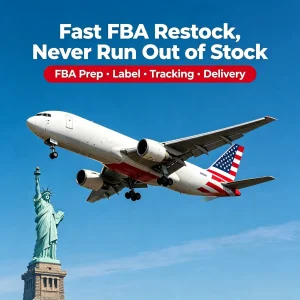

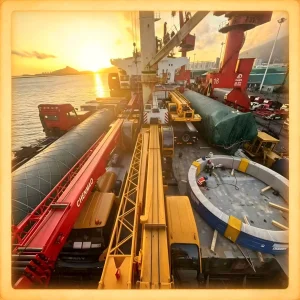
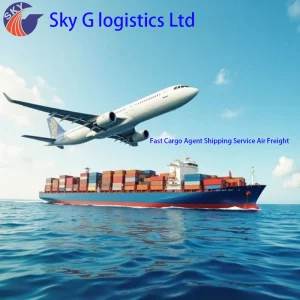
In the hyper-competitive arena of international commerce, businesses require more than mere transportation brokers; they demand strategic partners capable of orchestrating end-to-end supply chains. Shenzhen Leoti Logistics Co., Ltd. stands at the forefront of this industrial transformation. As a modern, highly integrated international logistics enterprise, we specialize in providing sophisticated, compliant, and cost-effective shipping networks designed for structural sustainability and speed.
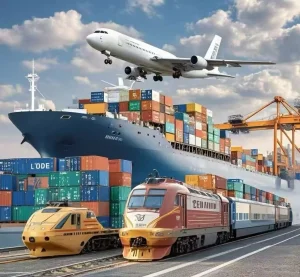
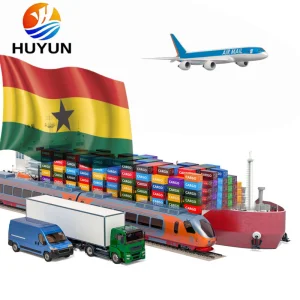
Our core competency spans across a multimodal framework: sea freight (FCL & LCL), express air cargo networks, rail corridors connecting China directly to Central Asia and Europe, and specialized road transport systems. Beyond basic freight forwarding, Leoti Logistics functions as a comprehensive trade agency. We offer structural support including localized customs brokerage, bonded warehousing, dynamic cargo consolidation, port-side container drayage, and deep advisory on global trade compliance.
Operating directly out of key Chinese coastal gateways—including Shenzhen, Guangzhou, Shanghai, Ningbo, Xiamen, Qingdao, Tianjin, Dalian, Beijing, and Lianyungang—Leoti has negotiated direct carrier contracts with premier shipping alliances and global airlines. This ensures that our clients, ranging from high-growth mid-market exporters to massive global OEMs, benefit from reliable space allocations, stable pricing structures, and minimized port transit delays.
B2B supply chain integrity begins on the factory floor. Learn how Leoti Logistics interfaces with advanced manufacturing plants to prepare products for global maritime transport.
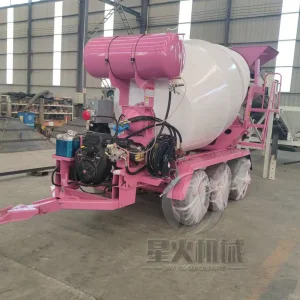
To understand the complexities of Port-to-Port Shipping, one must examine the production cycle. Industrial hardware, machinery, and safety devices must satisfy stringent European Union CE Marking directives and other international regulatory standards before shipping. Our partner factories employ advanced fabrication techniques to ensure that the physical products, components, and heavy equipment meet quality assurance mandates. Below is a comprehensive look into the industrial workflow that feeds into our shipping lines:
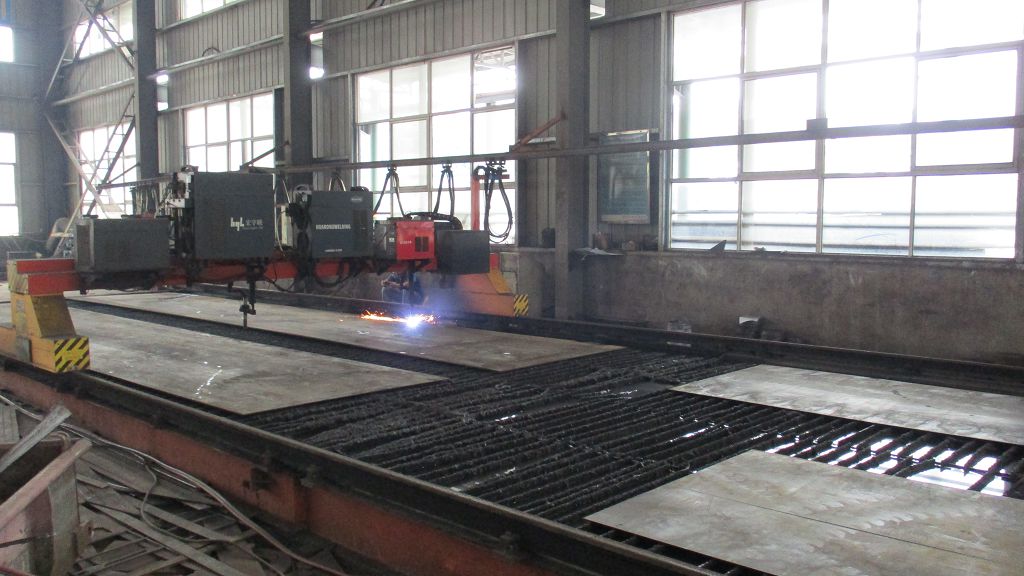
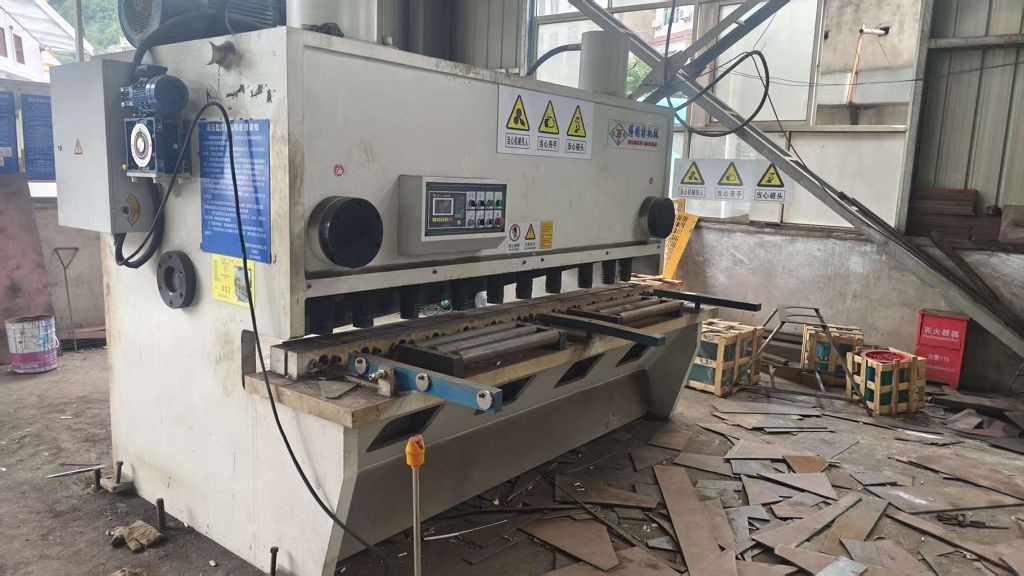
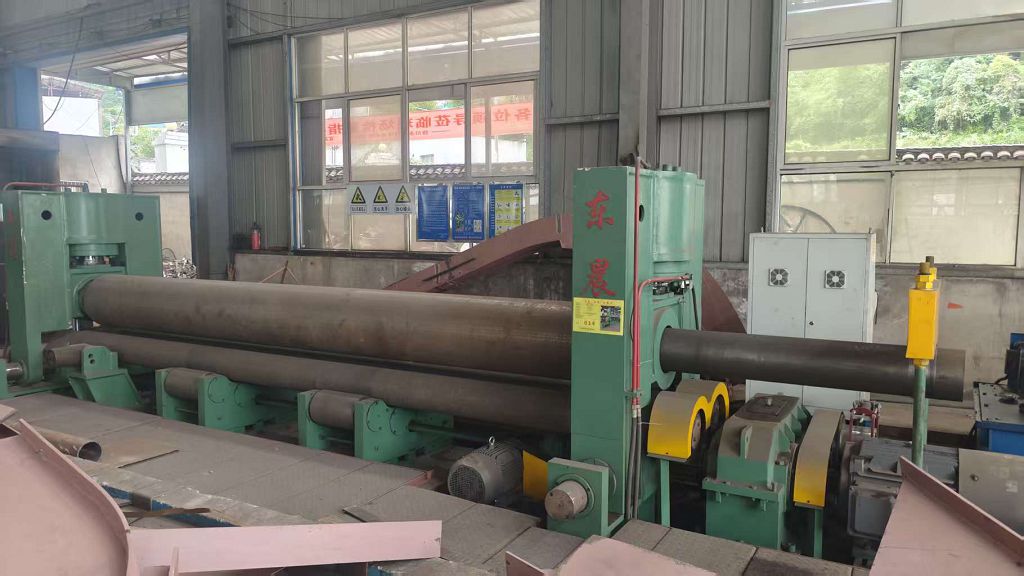
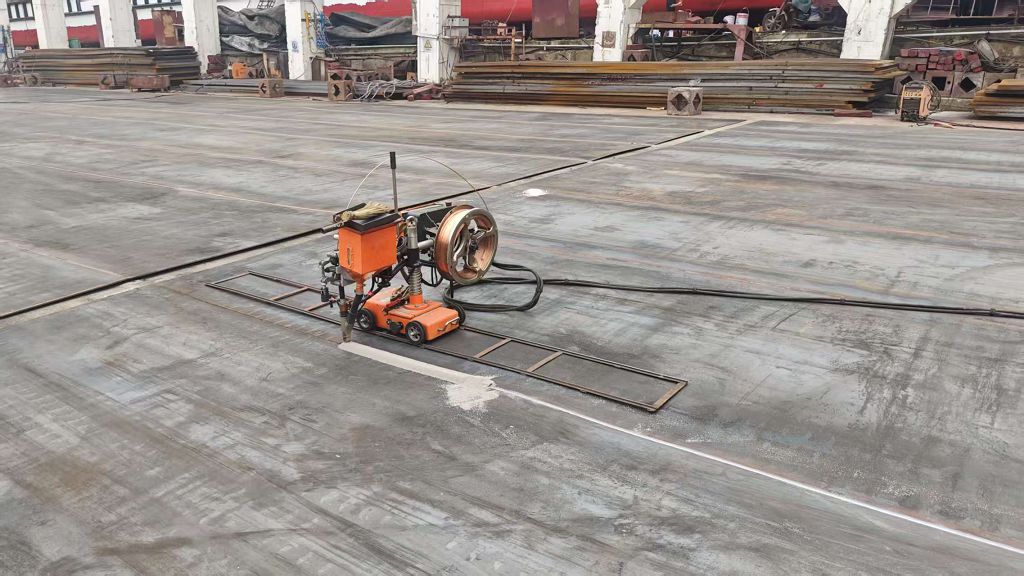
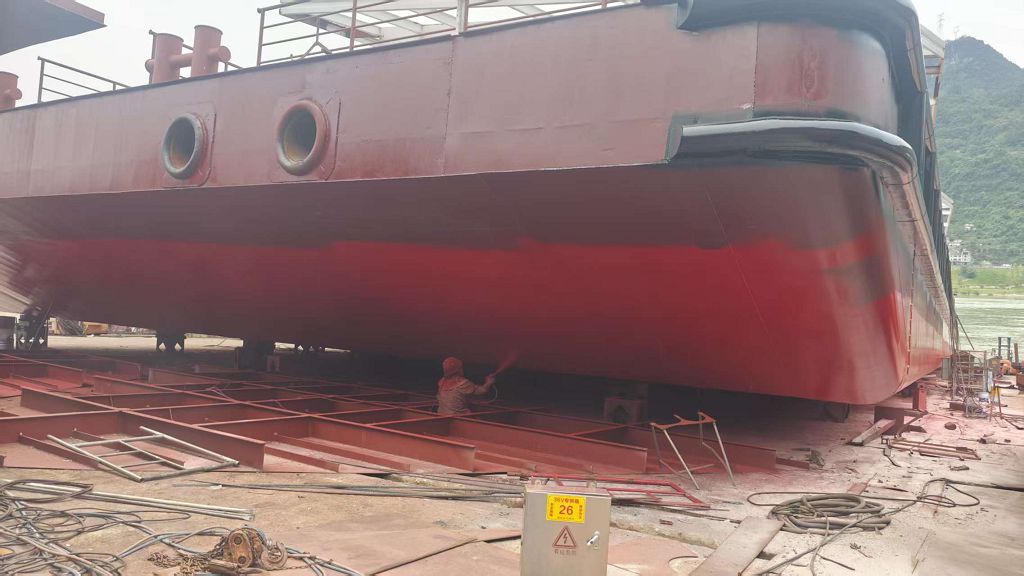
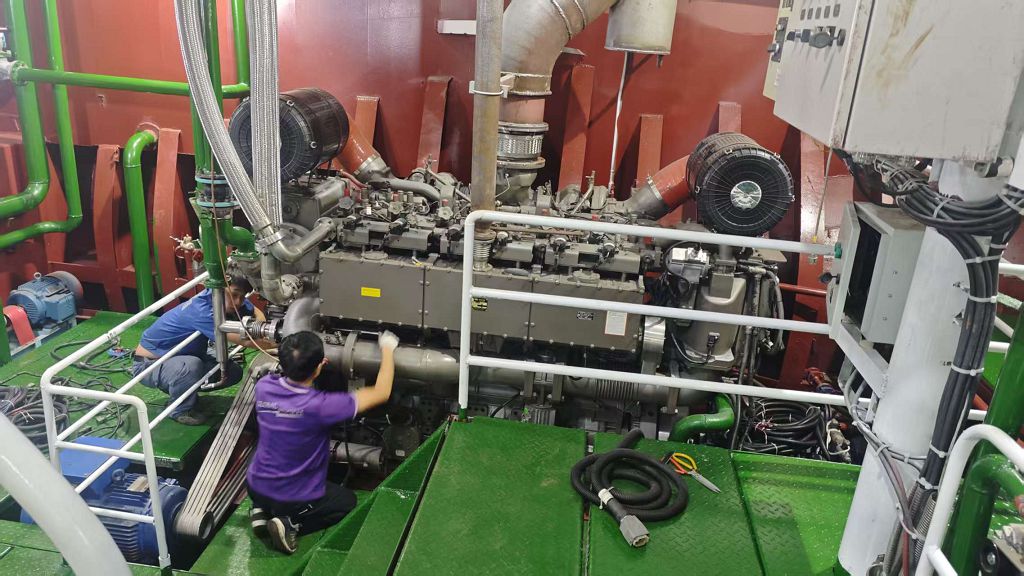
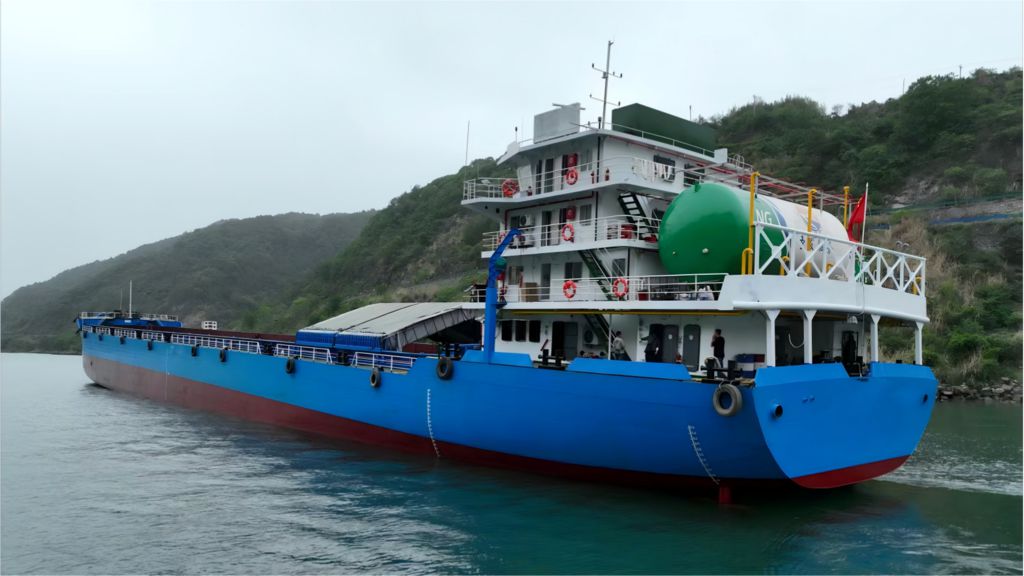
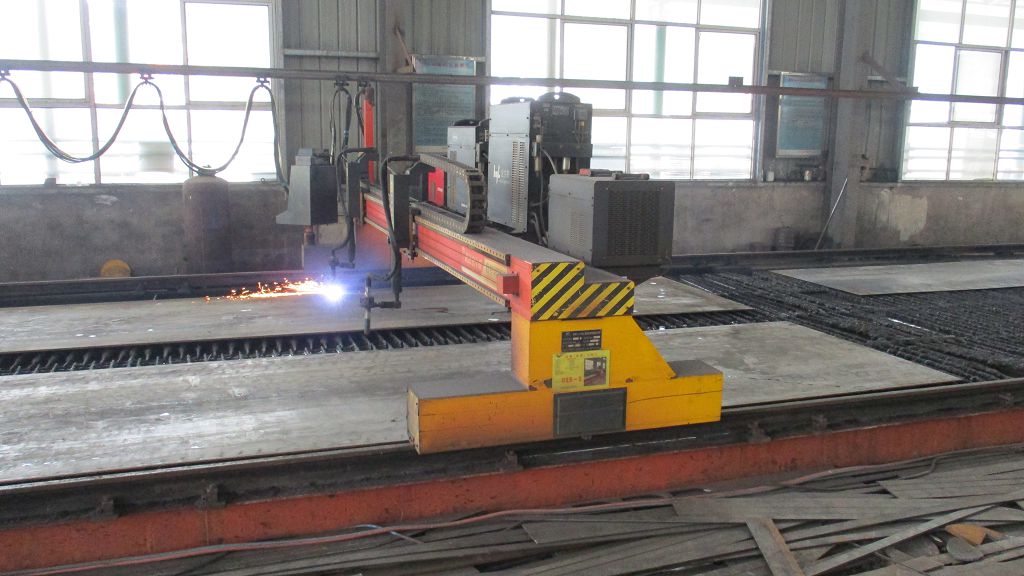
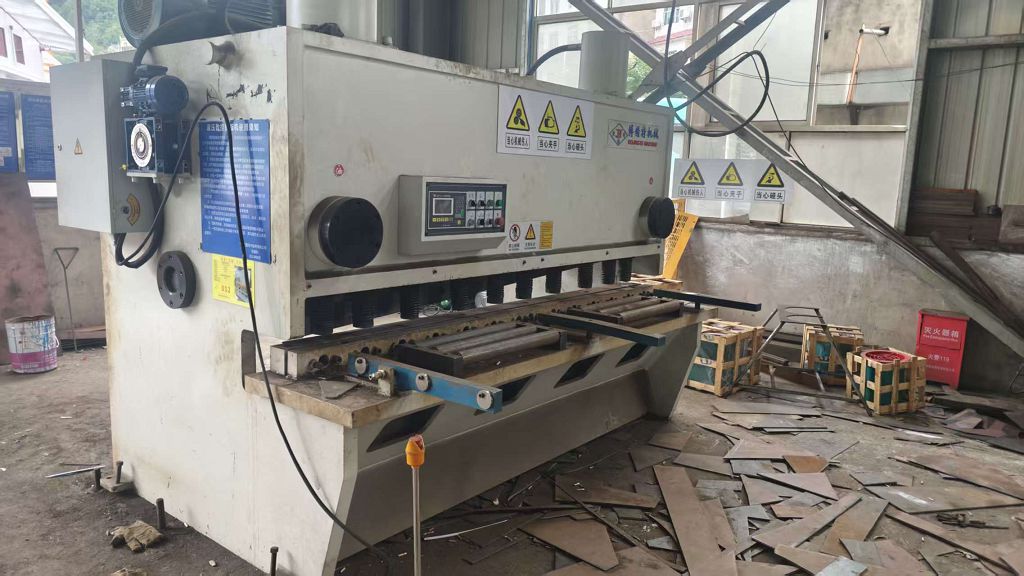
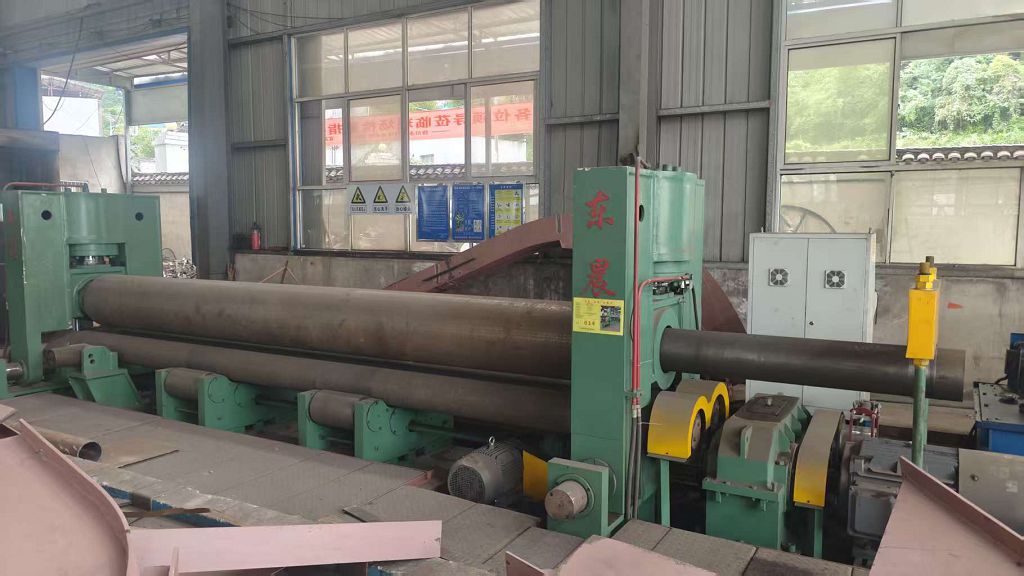
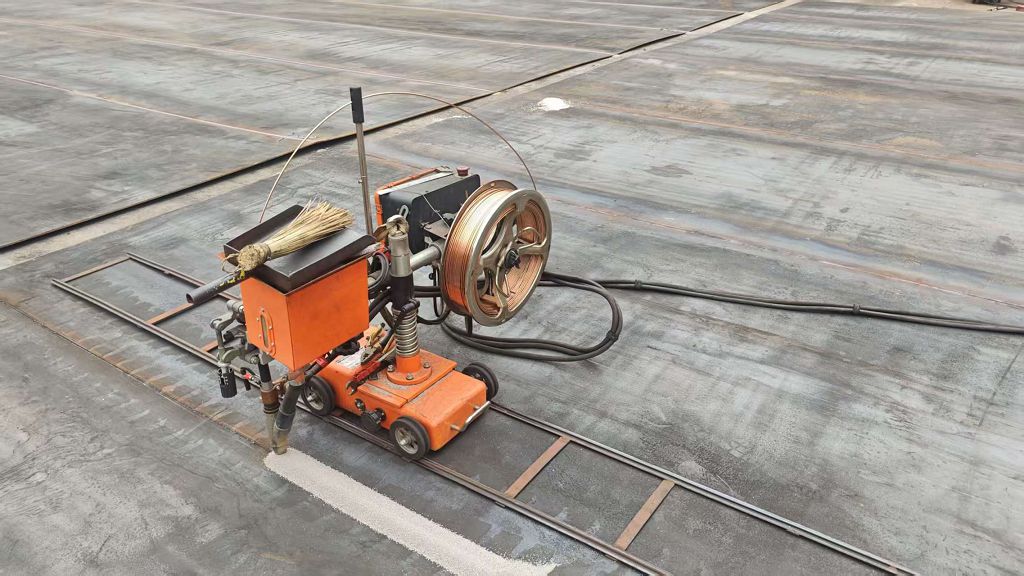
By coordinating with these manufacturing workflows, Leoti Logistics guarantees that cargo is crated, packaged, and containerized in compliance with maritime stability codes. For heavy machinery such as trailer concrete mixers, or hazardous goods like industrial fire safety systems, we perform pre-shipment inspections. This bridges the gap between factory production and global shipping compliance, ensuring cargo moves efficiently through international ports.
Leveraging the world's most robust industrial manufacturing clusters and deep-water terminal capabilities.
China's manufacturing prowess is built on geographic specialization. From specialized electronics in Shenzhen to heavy steel components in Hebei and Shandong, localized supply chains minimize inland transport costs and lead times before cargo ever reaches the port.
Ports like Shanghai, Ningbo-Zhoushan, and Shenzhen are global leaders in container throughput and automation. These automated terminals, supported by smart customs systems, enable rapid vessel loading and high-frequency departures to European and North American destinations.
Export-oriented Chinese factories build products to meet international standards. By integrating CE certifications directly into the engineering phase, exporters prevent customs delays at major ports like Rotterdam, Hamburg, and Los Angeles.
We design customized logistics frameworks for multinational corporations, industrial distributors, and e-commerce aggregators.
In modern supply chain management, standard logistics models are often insufficient. Global buyers must balance raw shipping speed against total landed cost, local customs requirements, and port congestion. Shenzhen Leoti Logistics Co., Ltd. resolves these challenges by offering customized shipping strategies designed for specific industries.
| Logistics Category | Key Challenges Addressed | Optimized Solution Route | Target Industries |
|---|---|---|---|
| Full Container Load (FCL) | Space volatility, capacity limits during peak season, rate instability. | Direct contract allocations with Ocean Alliance & 2M; pre-booked port space. | Industrial Manufacturing, Construction Materials, Automotive parts. |
| Less than Container Load (LCL) | High minimum charges, cargo damage during handling, consolidation delays. | Internal consolidation at Shenzhen & Ningbo warehouses; weekly direct sailings. | SMEs, Consumer electronics, E-commerce sellers (Temu, TikTok Shop). |
| Specialized Dangerous Goods (DG) | IMDG code compliance, Class 9 classification, carrier rejections. | Class-certified containerization, UN-approved packaging, hazardous cargo clearance. | Fire Safety Systems, Batteries, Chemical Manufacturers. |
| Project Bulk Cargo & Ro-Ro | Oversized dimensions, out-of-gauge limits, high cost of flat-rack equipment. | Chartered breakbulk vessels, specialized roll-on/roll-off shipping lines to the Middle East & India. | Mining machinery, Concrete Mixers, Infrastructure Developers. |
Our multi-regional network allows us to coordinate logistics directly from the manufacturing source, simplifying the transition from factory production to port-to-port transport.
How digitalization, green energy, and changing regulations are shaping the future of global maritime logistics.
The logistics sector is undergoing significant change driven by digital transformation and environmental standards. As regulatory frameworks like the EU's Carbon Border Adjustment Mechanism (CBAM) phase in, businesses must track their logistics carbon footprint alongside cargo transit times.
To address these requirements, Shenzhen Leoti Logistics is investing in digital tracking technologies. By implementing automated data flows and real-time status updates, we provide clients with end-to-end visibility into their shipments. In addition, our global partner networks allow us to plan routes that balance efficiency with environmental considerations, helping clients optimize their carbon footprint while managing overall shipping costs.
Protecting cargo value and ensuring regulatory compliance across international borders.
Our B2B logistics services are built on strict Service Level Agreements (SLAs) and strict compliance standards. We understand that a delayed custom entry or an improperly declared tariff code can disrupt a project's timeline and incur high demurrage costs.
Leoti's in-house customs brokers manage classification, documentation, and filing processes. Whether handling imports under DDP terms or managing complex port-to-port handoffs under FOB terms, our team ensures all documentation aligns with local regulatory requirements. We verify that all goods meet necessary international certifications, helping to facilitate smooth customs clearance at major destinations worldwide.
Expert answers to common questions about international logistics, customs, and compliance.
Port-to-Port shipping covers the ocean or air transport of cargo from the port of origin (e.g., Shenzhen Port) to the designated port of destination (e.g., Port of Los Angeles). It excludes inland drayage, customs clearance, and delivery to the final warehouse at the destination. Door-to-door delivery (often handled via DDP or DDU terms) includes all transit steps, from the factory floor to the buyer's warehouse. Port-to-Port shipping offers greater control for buyers who prefer to manage local logistics through their own customs brokers and carriers.
CE certification indicates that products conform to the safety, health, and environmental requirements of the European Economic Area (EEA). European customs officials verify this documentation at ports of entry. Shipping non-compliant products without appropriate CE declarations can lead to custom delays, fines, or seizure of cargo. Shenzhen Leoti Logistics works with certified partner factories to verify compliance before container loading, helping to prevent customs issues at European destinations.
Ocean transit times vary depending on the destination port and route:
• China to US West Coast (LAX/LGB): 14 to 22 days.
• China to US East Coast (NY/NJ): 28 to 38 days (via Panama Canal).
• China to Northern Europe (Rotterdam/Hamburg): 28 to 40 days (via Suez Canal).
These estimates exclude customs clearance, container stripping, and inland transit times.
Hazardous cargo and safety devices must meet international transport regulations, including the IMDG Code and IATA dangerous goods guidelines. We ensure correct packaging, labeling, and documentation (such as MSDS and UN testing reports) are prepared. Our specialized teams manage space bookings with carriers authorized to transport Class-rated hazardous goods, helping to ensure compliance throughout the transport process.
For standard export shipments from China, the shipper must provide:
1. Commercial Invoice (detailing unit price, total value, and buyer information).
2. Detailed Packing List (including net/gross weights and dimensions).
3. Certificate of Origin (to determine applicable tariff rates).
4. Custom Declaration Form (to process export clearances in China).
For specialized products, additional certificates (such as CE, MSDS, or phytosanitary documents) may be required.
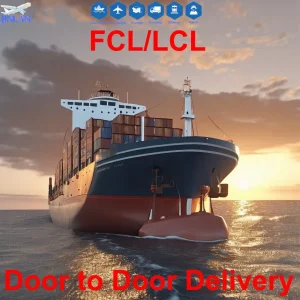
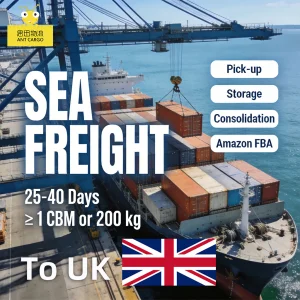
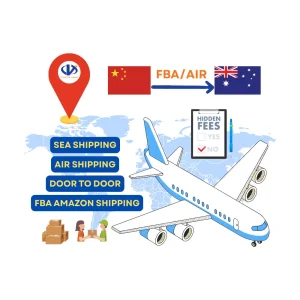
Find customized transportation configurations, LCL consolidations, and door-to-door delivery routes to optimize your cargo management.
 Leoti Logistics