Explore our premium door-to-door delivery, RoRo, LCL/FCL, and consolidated cargo logistics routes spanning global hubs.
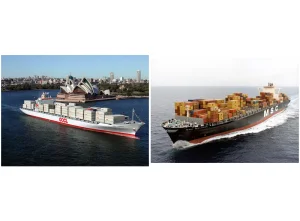
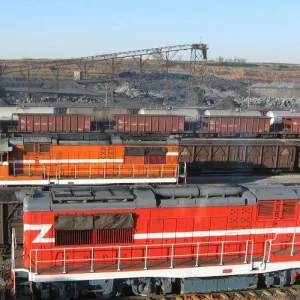
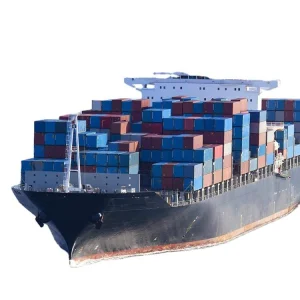
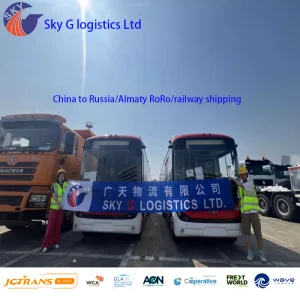
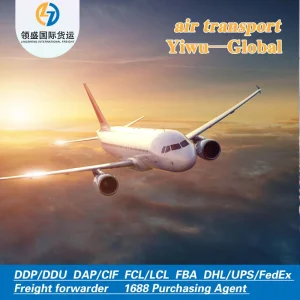
In the modern globalized economy, the fluidity of supply chains dictates the competitiveness of multinational enterprises. As trade networks face mounting geopolitical bottlenecks, volatile fuel indices, and evolving environmental regulations, Intermodal Transportation has emerged as the definitive standard for resilient logistics. By strategically blending maritime, air, rail, and motor carriage, shippers bypass traditional structural pain points, drastically lowering carbon intensity while compressing total transit windows.
Internationally, key trade corridors demand dynamic rerouting capacity. For instance, the trans-Pacific route and the China-Europe freight corridors rely heavily on synchronized transshipment nodes. Standardizing shipping containers across modes ensures cargo remains untouched during transfers, virtually eliminating handling damages and theft risks. To maintain a competitive edge, today's global manufacturers require logistics partners that possess robust infrastructure at source ports and highly responsive booking authority over leading container lines.
Furthermore, the rapid rise of automotive electrification, industrial construction equipment exports, and cross-border e-commerce has forced shippers to transition from simple terminal-to-terminal transport to sophisticated, multimodal, door-to-door delivery systems. This integration of global infrastructure is not just a trend but a fundamental shift in how global trade operations are structured and executed.
Shenzhen Leoti Logistics Co., Ltd. is a modern international logistics company dedicated to providing comprehensive and efficient global freight solutions. The company primarily specializes in import and export freight forwarding, including air freight, ocean shipping, international express delivery, rail transport, and road transportation services.
In addition to core transportation services, Leoti Logistics offers a full range of one-stop logistics solutions, such as customs clearance, warehousing, cargo consolidation, trailer transportation, and trade agency services. Our goal is to simplify global trade for our clients by providing seamless end-to-end logistics support.
As a trusted booking agent for multiple leading shipping lines and airlines, the company is able to secure competitive cargo space in major global port cities, including Shenzhen, Guangzhou, Shanghai, Ningbo, Xiamen, Qingdao, Tianjin, Dalian, Beijing, and Lianyungang. Through strong partnerships with local warehouses, trucking fleets, and customs brokers, Leoti ensures smooth and efficient operations at every major port.
Over the years, Shenzhen Leoti Logistics has actively expanded its overseas logistics network. Today, we cooperate with more than 200 global agents covering Europe, North America, South America, Africa, Oceania, Central Asia, and Southeast Asia. This extensive network allows us to provide reliable international air freight, sea freight, express delivery, customs clearance, and last-mile delivery services worldwide. Our overseas operations team maintains 24/7 real-time communication with international partners, ensuring timely coordination and secure handling of all shipments. This continuous communication helps guarantee cargo safety, operational efficiency, and customer satisfaction.
Leoti Logistics is proud of its strong core advantages. Our experienced and highly professional logistics team is well-versed in international shipping procedures and has in-depth knowledge of customs regulations and trade policies across different countries. This expertise enables us to design precise logistics solutions, effectively reduce operational risks, and optimize costs for our clients. Supported by an advanced logistics information system, we provide real-time tracking throughout the entire transportation process. Customers can monitor their shipments at any time with full transparency and confidence. Looking ahead, Shenzhen Leoti Logistics Co., Ltd. will continue to expand its global presence, enhance service quality, and strengthen its integrated logistics capabilities.
China's dominance in the intermodal manufacturing and logistics sectors is anchored in its unrivaled industrial cluster density. From the high-tech hubs of Shenzhen to the manufacturing corridors of Ningbo, Shanghai, and Qingdao, the proximity of component suppliers, testing laboratories, and raw material distributors minimizes supply chain delays. When dealing with specialized containerization, customized logistics brackets, or industrial assembly parts, Chinese manufacturers deploy advanced mechanical technologies to ensure structural reliability and load bearing capability during intense intermodal transfers.
By using automated laser cutting, precise metal shearing, and specialized welding systems, factories can produce high-strength shipping components that withstand long ocean voyages, high-pressure rail vibrations, and variable road conditions. Below is a look at the precise processing steps executed within our associated manufacturing supply chains to guarantee exceptional durability and safety for intermodal transportation projects:
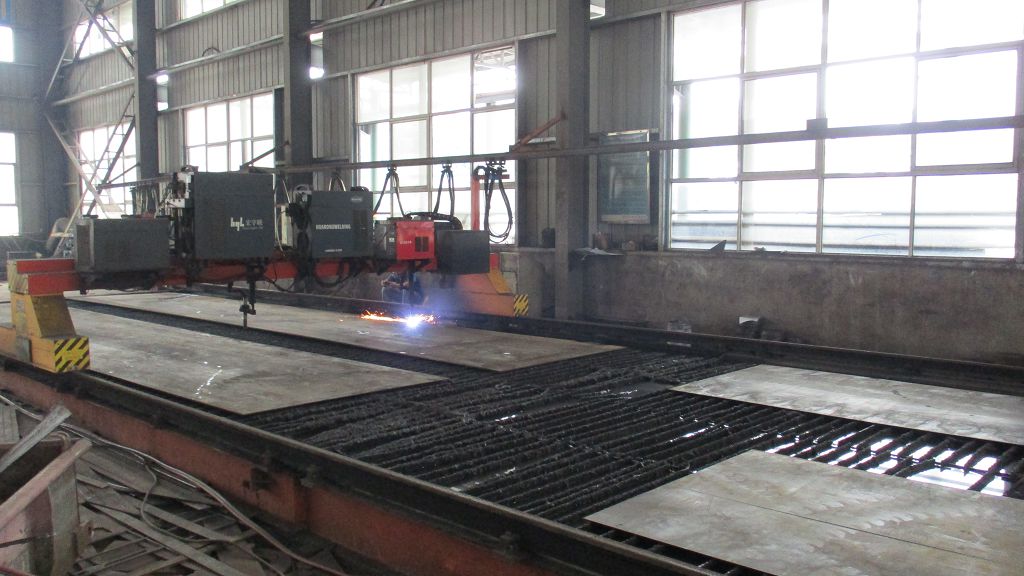
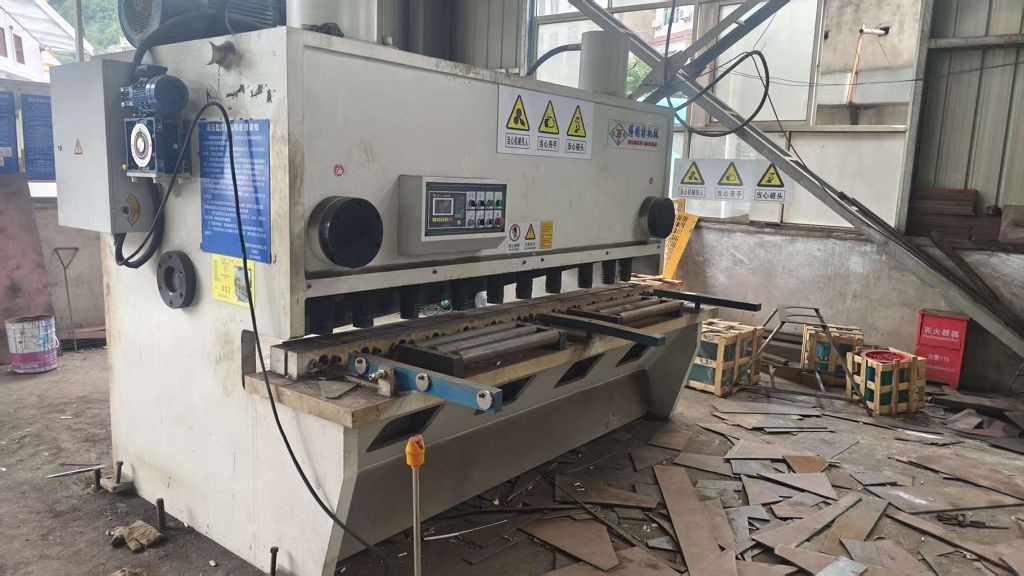
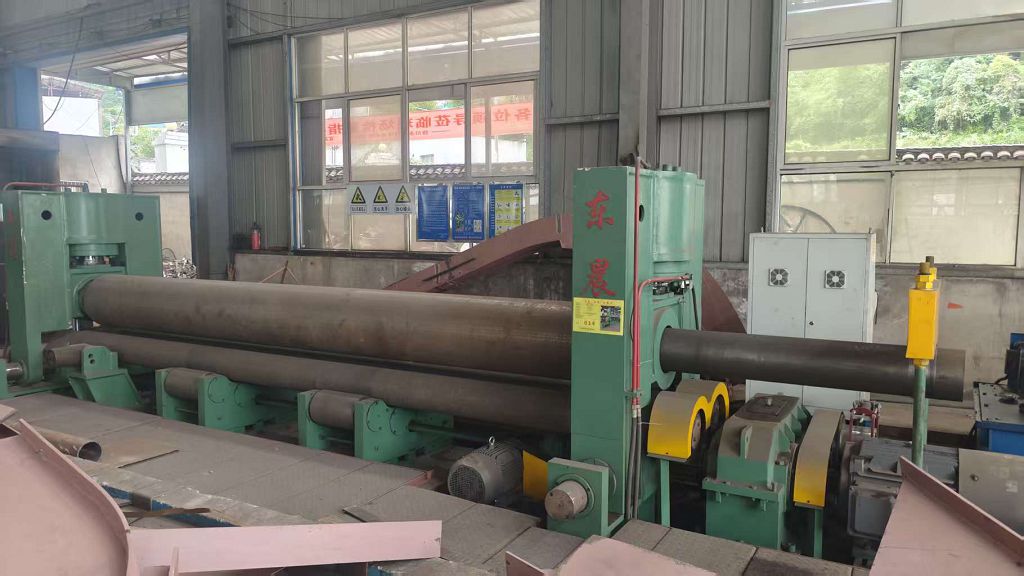
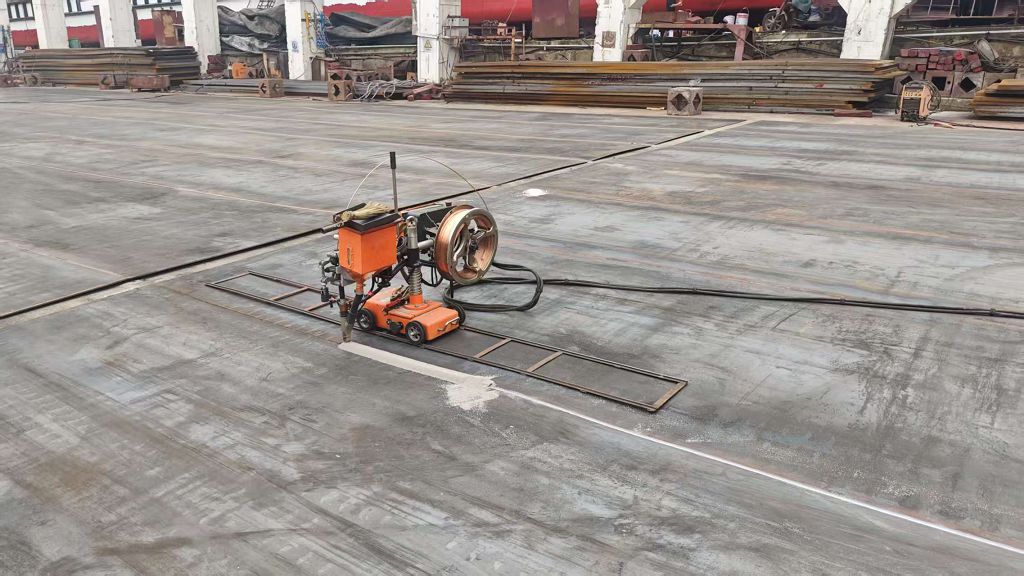
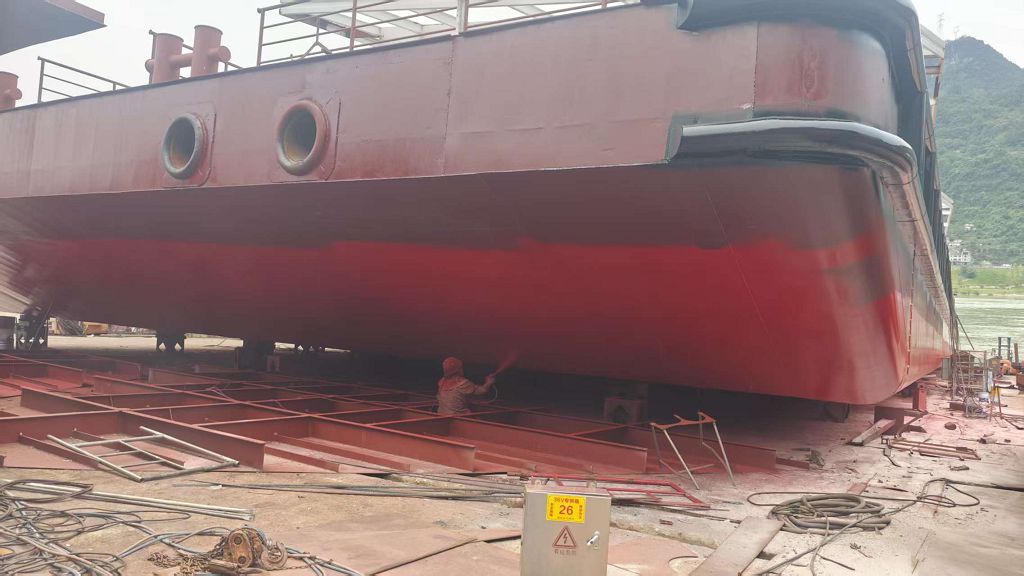
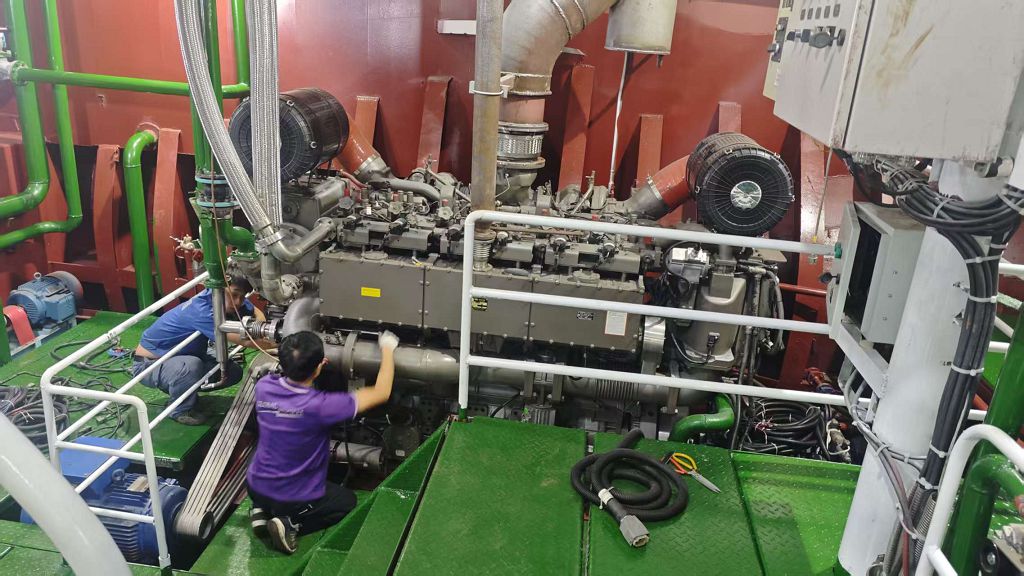
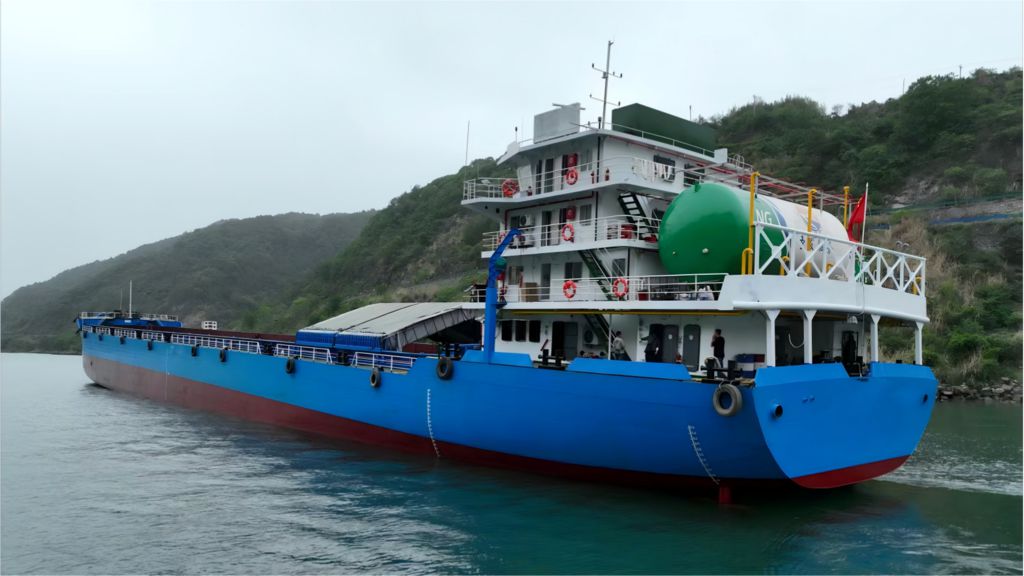
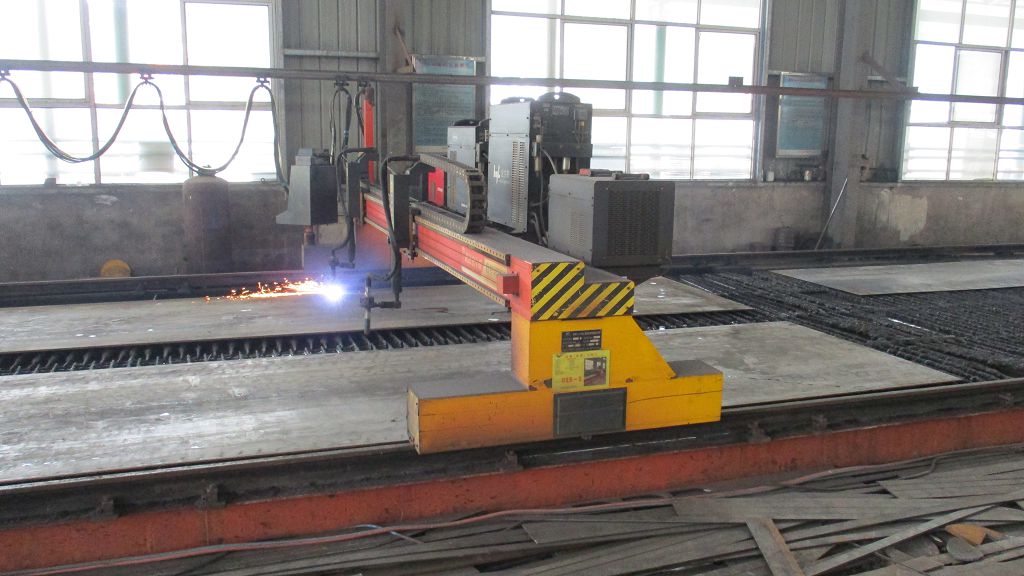
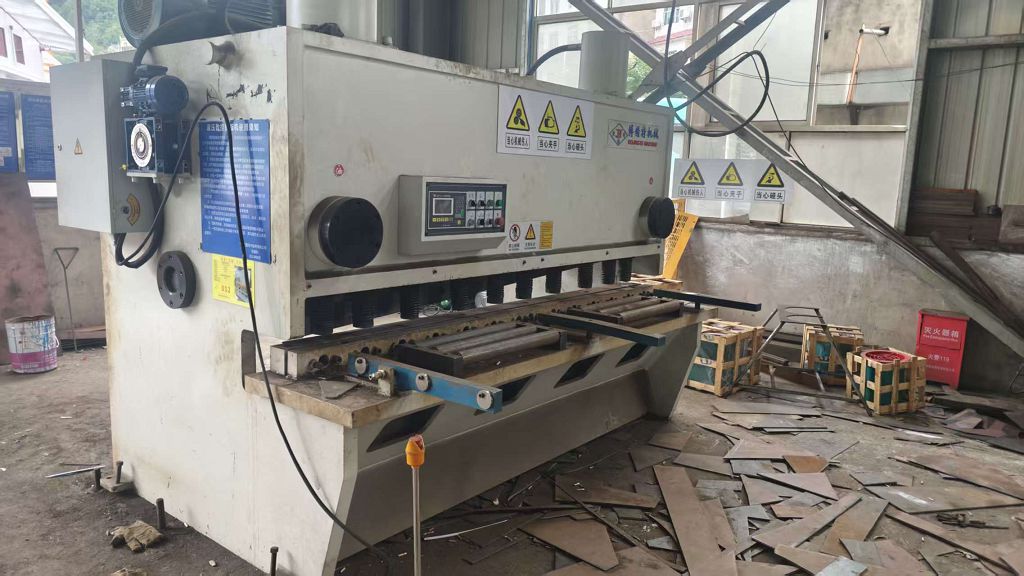
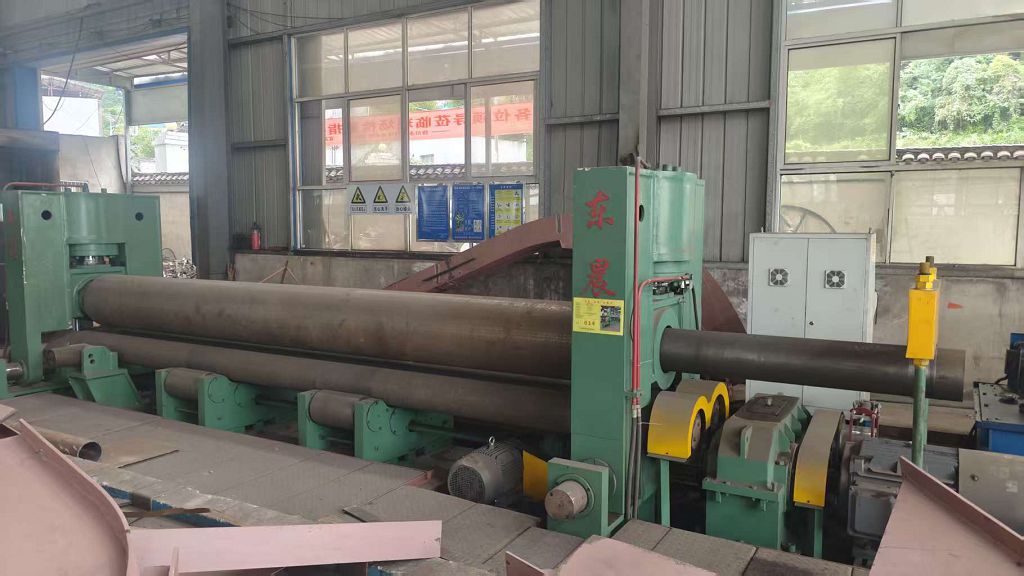
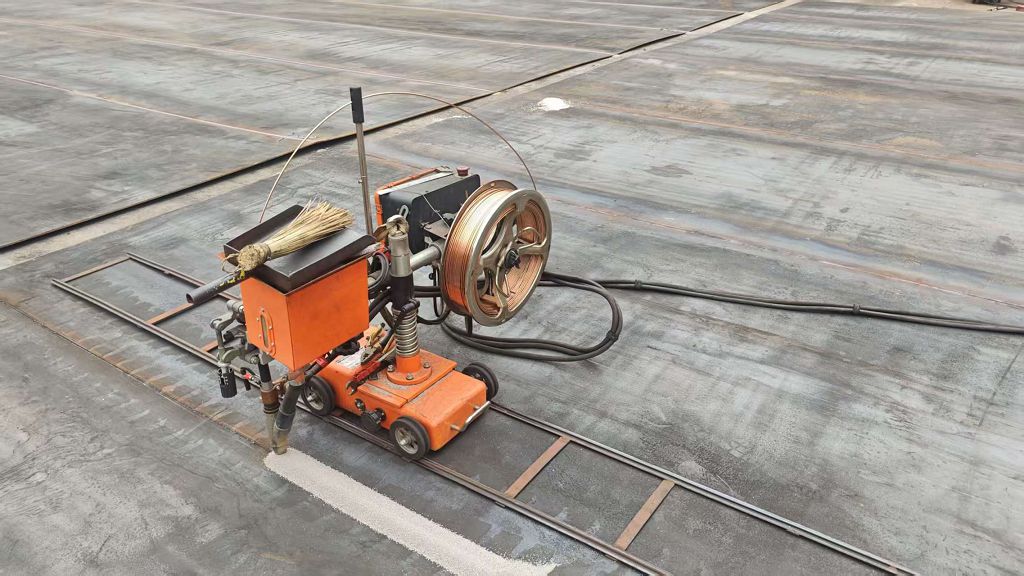
Integrating this specialized manufacturing quality with optimized logistics operations forms a highly resilient shipping framework. Leoti Logistics capitalizes on these high-spec industrial capabilities to provide global buyers with highly stable booking slots, rugged transport equipment, and dependable containerized shipping paths that secure structural integrity from the warehouse floor all the way to final delivery.
The intermodal sector is undergoing a rapid digital transformation. Over the next decade, the industry's technological roadmap will shift from reactive operational models to fully predictive, automated systems. Industry innovators are focusing heavily on integrating IoT sensors directly into container chassis and shipping units, providing real-time data on temperature, humidity, shock forces, and exact GPS locations.
Concurrently, artificial intelligence algorithms are redefining dynamic routing. Rather than sticking to rigid pre-planned paths, modern logistics operating platforms process real-time weather alerts, harbor dwell times, customs clearance speeds, and inland rail backlogs. This allows operators to automatically redirect shipments before cargo experiences transit delays.
Smart seaport gantry cranes and autonomous guided vehicles (AGVs) work together to slash transshipment times by up to 35%.
By maximizing rail corridors over long hauls, carbon footprints can be cut by up to 60-70% compared to traditional road transport.
Cryptographically secure bills of lading prevent documentation fraud and accelerate custom clearances at destination ports.
As environmental mandates grow tighter, the adoption of low-emission corridors will become a requirement for operating in Western markets. Shippers who adopt eco-friendly transport methods early, like using battery-electric drayage trucks and optimizing rail logistics, will secure a strong competitive advantage in the global market.
Every trade lane has its own unique regulatory environment, geographic challenges, and handling demands. Standardizing logistics without local adjustments often leads to customs delays, unexpected demurrage charges, and disrupted operations. Below, we look at several customized applications that show how Leoti Logistics adapts to regional requirements:
Navigating shipping routes into major ports like Los Angeles, Long Beach, Miami, or Tampa requires deep knowledge of local port drayage rules. Leoti Logistics provides specialized ocean freight consolidation services alongside complete customs clearance. By coordinating container transfers directly at inland rail ramps in DFW or Chicago, we bypass harbor backlogs, ensuring rapid last-mile delivery. Whether managing large FCL shipments or combining smaller LCL cargoes, our local drayage networks guarantee delivery within tight retail timeframes.
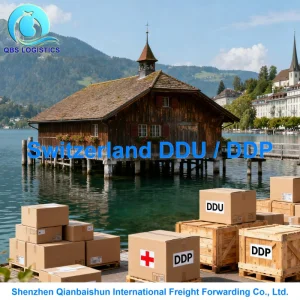
Reaching European markets requires a mix of ocean routes to major ports like Rotterdam, Antwerp, or Hamburg, combined with inland rail and barge networks. For high-value goods going to landlocked hubs like Switzerland, Copenhagen, or Eastern Romania, air freight consolidation or combined rail-truck routes offer the perfect balance of cost and speed. Our strong partnerships with customs brokers at major European entry points ensure compliance with all EU customs regulations, preventing cargo delays at the border.
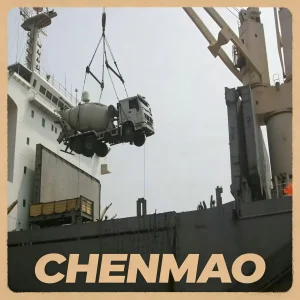
Shipping heavy machinery, construction excavators, or new energy vehicles to Latin American ports like Manzanillo or Mexico City requires specialized handling. Standard containers are often too small for these oversized shipments. Using RoRo (Roll-on/Roll-off) vessels or break-bulk shipping allows heavy wheeled cargo to be loaded safely. Leoti Logistics manages the entire process, including secure crane lifting, protective coating applications, and specialized inland transport, ensuring heavy equipment arrives at its destination in perfect condition.
Securing cross-border logistics lanes requires strict compliance with international trade laws. Every transit point introduces new regulatory hurdles, from the Federal Maritime Commission (FMC) bonds in the United States to EU customs rules, and specific import rules for Latin American countries. Non-compliance can lead to severe penalties, cargo seizures, and permanent damage to business partnerships.
Shenzhen Leoti Logistics protects clients' supply chains by using a robust compliance model. We ensure all paperwork, including HTS codes, export certifications, commercial invoices, and dangerous goods declarations for lithium battery shipments, is prepared and double-checked before the cargo leaves the origin port. Our strong global network of over 200 partner agents provides local support in the destination country, handling duties, taxes, and final customs clearance, making the shipping process simple and stress-free.
Crucial industrial insights and operational guidelines for global logistics procurement managers.
Explore our highly reliable sea, air, and express routes from top Chinese logistics hubs to key global destinations.
 Leoti Logistics