Safeguard your global transits with our bespoke freight solutions and end-to-end logistics insurance policies.
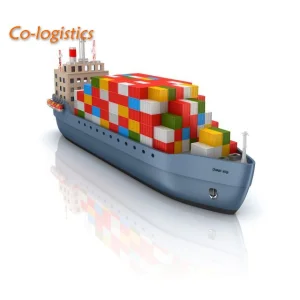
Understanding the modern complexities of international shipping risks, liability distributions, and risk engineering.
Modern global logistics operates in a volatile landscape characterized by geopolitical tensions, climate events, and multimodal transshipment challenges. Securing ocean, air, and overland transits with dedicated Marine Cargo Insurance is no longer optional; it is the cornerstone of supply chain resilience.
Under traditional Incoterms (like FOB, CIF, or DDP), the division of risk and cost shifts between buyers and sellers. Without custom-tailored marine cargo coverage, exporters face massive financial exposure from General Average claims, physical damage during heavy seas, or cargo theft.
Every manufacturing line produces cargo with distinct risk profiles. Delicate electronic PLCs, massive heavy-lift structures, and high-value consumer goods cannot share a generic coverage template. Custom OEM/ODM structural policies address specific product profiles, lashing standards, and transit risks.
Information Gain Insight: Standard cargo insurance typically covers basic loss, but custom OEM/ODM integrated policies factor in "Loss of Use", "Consequential Loss", and "Debris Removal". This is vital for industrial machinery installations where a delay or minor damage halts complete production lines.
How Shenzhen Leoti Logistics Co., Ltd. builds secure and integrated logistics networks across global corridors.
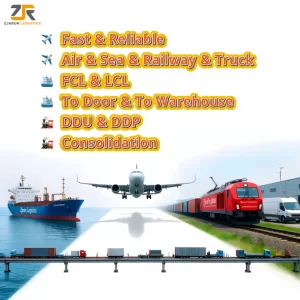
Shenzhen Leoti Logistics Co., Ltd. is a modern international logistics company dedicated to providing comprehensive and efficient global freight solutions. The company primarily specializes in import and export freight forwarding, including air freight, ocean shipping, international express delivery, rail transport, and road transportation services.
In addition to core transportation services, Leoti Logistics offers a full range of one-stop logistics solutions, such as customs clearance, warehousing, cargo consolidation, trailer transportation, and trade agency services. Our goal is to simplify global trade for our clients by providing seamless end-to-end logistics support.
As a trusted booking agent for multiple leading shipping lines and airlines, the company is able to secure competitive cargo space in major global port cities, including Shenzhen, Guangzhou, Shanghai, Ningbo, Xiamen, Qingdao, Tianjin, Dalian, Beijing, and Lianyungang. Through strong partnerships with local warehouses, trucking fleets, and customs brokers, Leoti ensures smooth and efficient operations at every major port.
Over the years, Shenzhen Leoti Logistics has actively expanded its overseas logistics network. Today, we cooperate with more than 200 global agents covering Europe, North America, South America, Africa, Oceania, Central Asia, and Southeast Asia. This extensive network allows us to provide reliable international air freight, sea freight, express delivery, customs clearance, and last-mile delivery services worldwide.
Our overseas operations team maintains 24/7 real-time communication with international partners, ensuring timely coordination and secure handling of all shipments. This continuous communication helps guarantee cargo safety, operational efficiency, and customer satisfaction.
Leoti Logistics is proud of its strong core advantages. Our experienced and highly professional logistics team is well-versed in international shipping procedures and has in-depth knowledge of customs regulations and trade policies across different countries. This expertise enables us to design precise logistics solutions, effectively reduce operational risks, and optimize costs for our clients.
Supported by an advanced logistics information system, we provide real-time tracking throughout the entire transportation process. Customers can monitor their shipments at any time with full transparency and confidence.
At Shenzhen Leoti Logistics, we always adhere to a customer-first service philosophy. From order placement to final delivery, we offer personalized, one-on-one service to ensure that every client’s needs are responded to quickly and handled professionally.
Looking ahead, Shenzhen Leoti Logistics Co., Ltd. will continue to expand its global presence, enhance service quality, and strengthen its integrated logistics capabilities. Our vision is to become a leading international logistics enterprise and contribute to the growth and efficiency of global trade.
Managing risks from fabrication to shipping. How we build, pack, inspect, and insure heavy industrial machinery.
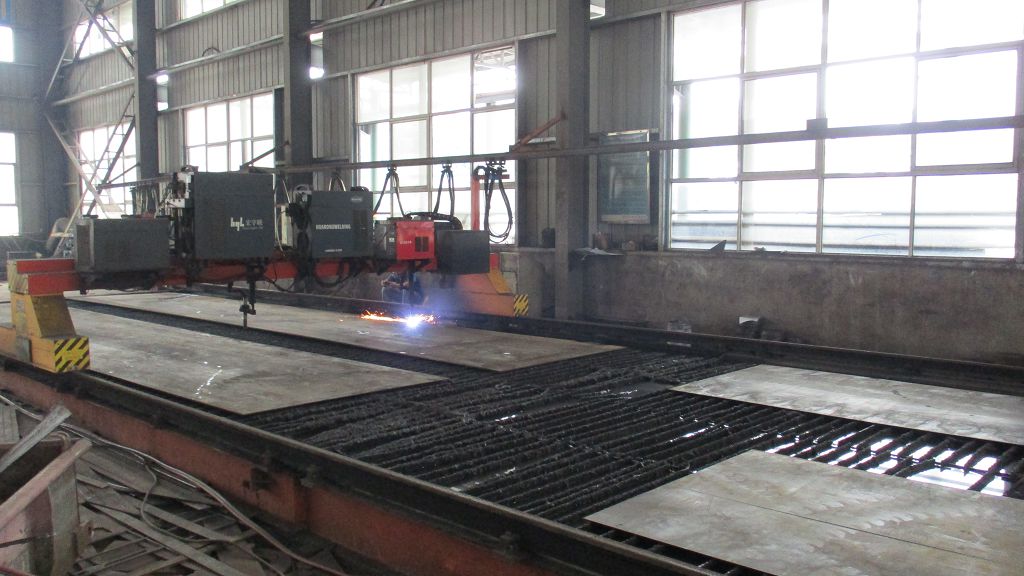
High-precision component cutting. Laser-cut sheets are designed with precise structural dimensions, requiring vibration-insulated maritime packaging to protect calibrated profiles from ocean swells.
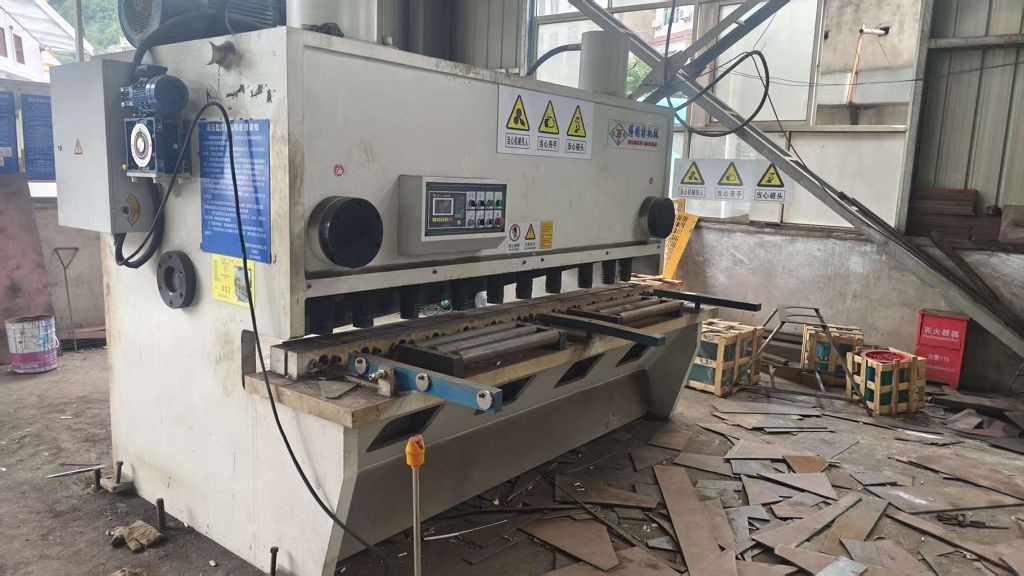
Heavy structural shearing. Raw sheets are cut and sized. These sharp-edged materials demand anti-puncture moisture barrier linings and rigid container floor securing to avoid shifting hazards.
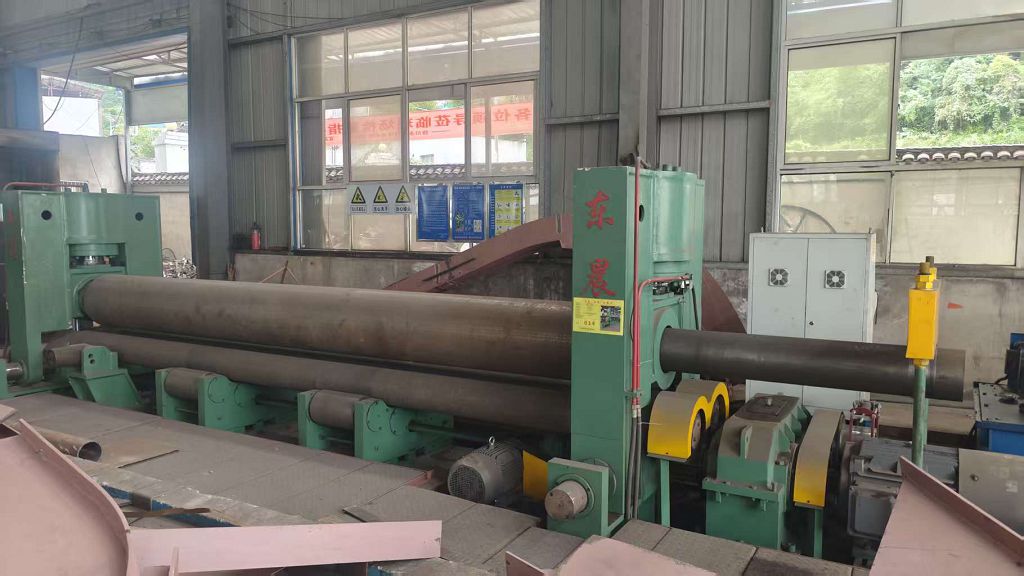
Plate and section rolling. Curved components present shifting centers of gravity. Rolling procedures must be paired with dynamic cradling designs to assure security in high-sea environments.
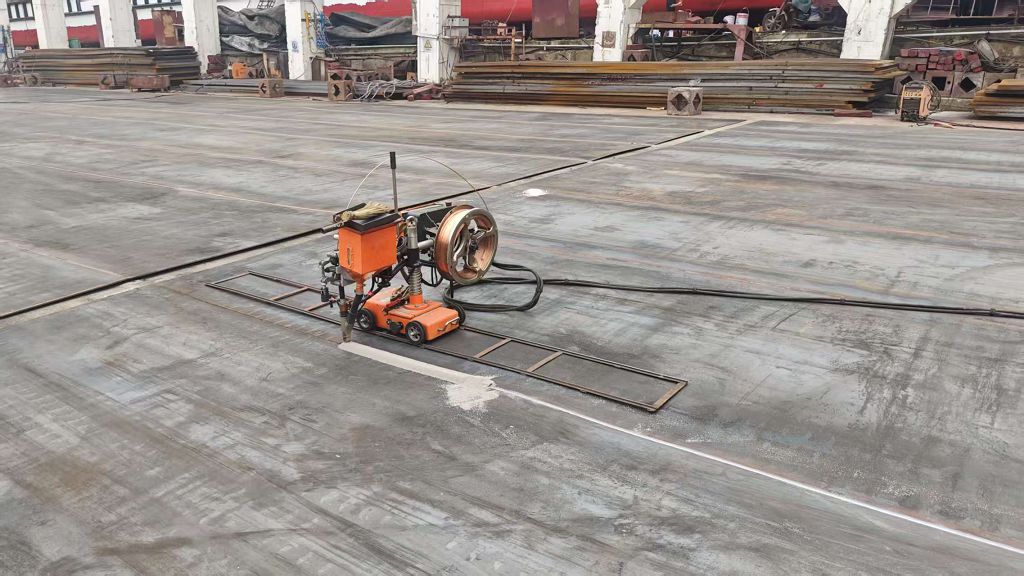
Robotic weld fusion. Weld joints are tested for micro-fractures. In transit, high-frequency engine vibration can compromise weld integrity; we apply anti-vibration rubber dampening pads.
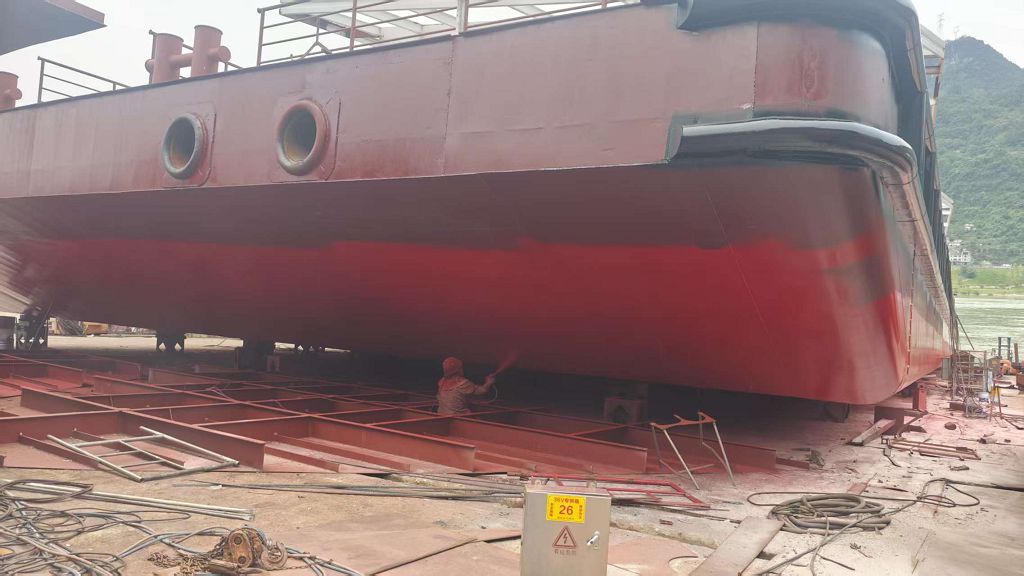
Corrosion protection coating. Exposed maritime shipping environments require epoxy primer painting along with Volatile Corrosion Inhibitor (VCI) shrink wrap to prevent oxidation damage.
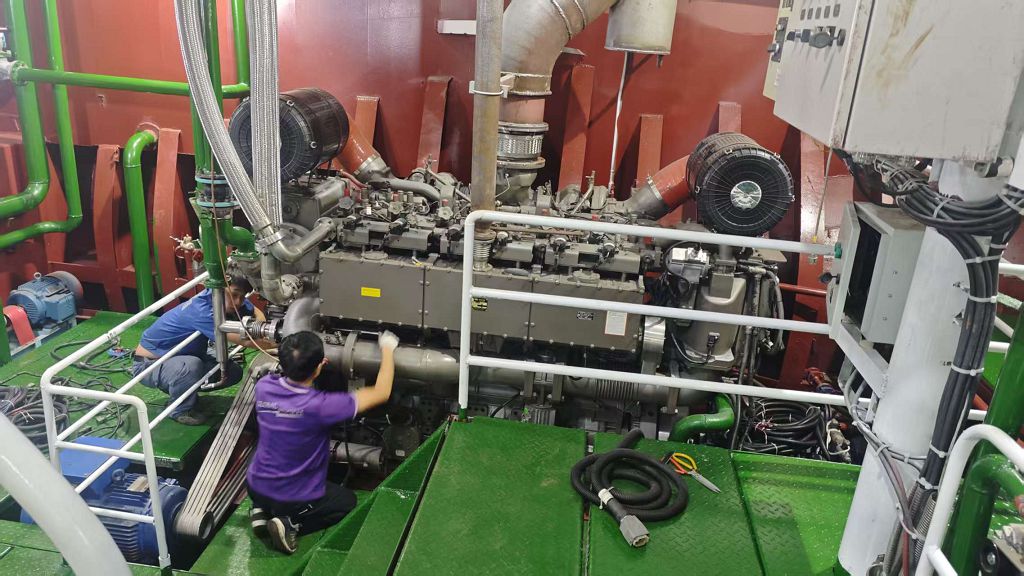
Integrated structural assembly. Delicate electronic controls and heavy frames are merged. Shock indicators are placed on the outer casing to monitor transit handling parameters.
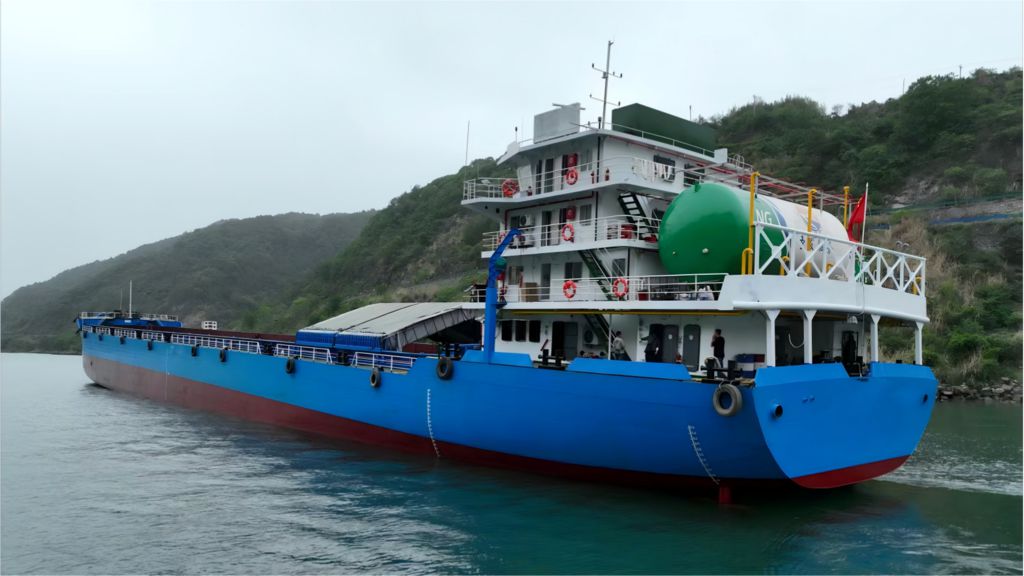
Pre-dispatch inspection. Finished systems are documented photographically to verify condition. This clear evidence is crucial for premium underwriter approval.
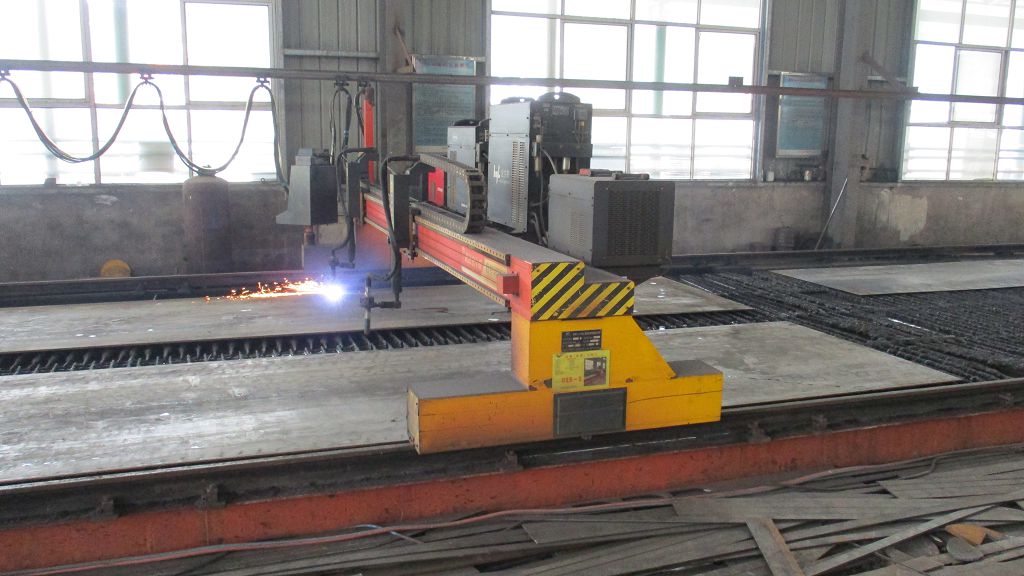
Sensitive opto-electronic machinery. Demands climate-controlled sea containers (reefer or ventilated) and specialized insurance coverage against thermal sensor damage.

Heavy hydraulic apparatus. Exporters require specific flat rack or open top container loading procedures along with rigorous tie-down systems to prevent catastrophic shifts.

Concentrated weight profile. Rolling machines are secured using steel wire ropes, wood block chocking, and D-ring tie points to ensure compliance with CSS (Cargo Securing Manual) guidelines.

Advanced computer-guided automation. Heavy duty circuit boards and servo motors are vacuum packed to block humidity and avoid electrostatic build-ups.
Why leveraging integrated manufacturing, logistics, and insurance hubs yields lower risk and faster delivery.
As the primary economic powerhouse of southern China, Shenzhen provides immediate access to major container terminals, international cargo flights, and rapid customs clearance. This integration shortens transit dwell times, directly lowering the probability of port theft or environmental cargo degradation.
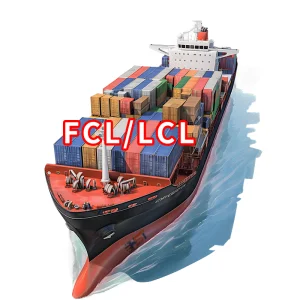
Shenzhen Leoti Logistics works with major marine insurance underwriters globally. Our direct booking agent status allows us to negotiate lower premium rates for FCL, LCL, and oversized project cargo, passing these cost savings directly to the global buyer.
Leveraging IoT-enabled asset tracking and digital cargo telemetry, we monitor parameters like relative humidity, ambient temperature, and shock acceleration forces. This granular data simplifies claim approvals in the rare event of damage.
Practical examples of how our combined freight and insurance operations manage real-world transit lanes.
Route Challenge: Transiting Cape Horn or navigating deep South American maritime channels introduces high wave motions and customs delays.
Risk Solution: We secure Santos FCL shipments under Institute Cargo Clauses (A) with full customs clearance support, eliminating the risk of cargo abandonment or damage from moisture during extended port stays.
Route Challenge: High-value medical devices or critical spare parts require express handling and zero exposure to desert dust/heat at destination airports.
Risk Solution: Dedicated air charter flights with sealed cargo thermal blankets and air freight cargo insurance covering transit and port-of-entry delays.
Route Challenge: Transporting machinery from Ningbo to a US inland warehouse via Pacific vessel and rail transshipment exposes cargo to shunting impacts.
Risk Solution: All-Risk multimodal cargo insurance that stays active from the Chinese factory floor, across the ocean, through rail yards, to the final door delivery.
Expert technical insights to help you optimize risk profiles, lower premium costs, and ensure claims execution.
Institute Cargo Clauses (A) provides the widest cover, operating on an "All Risks" basis, subject to standard exclusions. Clause (B) is more restrictive, covering named perils like vessel grounding, sinking, collision, or discharge of cargo at a port of distress, plus limited water damage. Clause (C) is the most basic coverage, typically covering major accidents like fire, explosion, grounding, and general average contributions, but excluding theft or water ingress damage.
Under FOB (Free On Board), the buyer assumes all risks once the cargo passes the ship's rail at the loading port, meaning the buyer should secure cargo insurance for the ocean transit. Under DDP (Delivered Duty Paid), the seller is responsible for the cargo until it reaches the buyer's specified destination, meaning the seller must secure insurance to cover risks along the entire multimodal transport path.
General Average is a legal principle of maritime law where all stakeholders in a sea venture proportionally share any voluntary sacrifices or extraordinary expenses made to save the ship and remaining cargo from total loss. If a shipowner declares General Average, your cargo will not be released until you provide a General Average Guarantee, typically issued by your marine insurance provider. Without insurance, you must pay a cash deposit to release your cargo.
First, note the damage on the delivery receipt before signing. Immediately photograph the damaged cargo inside the container. Next, contact the insurance representative to schedule a cargo survey. You must submit the Bill of Lading, Commercial Invoice, Packing List, Survey Report, and the formal Claim Form within the underwriter's claim filing window.
Select our customized shipping lanes configured with full customs clearance and built-in freight protection.

 Leoti Logistics