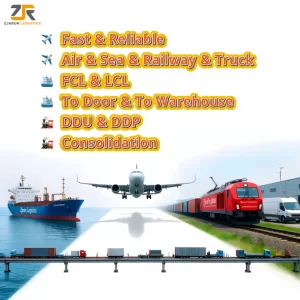
High-efficiency, custom-cleared logistics routes spanning global air, sea, and rail channels.

In an era defined by volatile trade agreements, volatile tariff regimes, and digitized border control agencies, the efficiency of customs brokerage services is no longer just an administrative box to check—it is a critical driver of global supply chain health. Businesses that scale globally rely heavily on modern customs clearance frameworks to mitigate severe border risks, duty escalations, and costly transit bottlenecks.
Navigating international import-export routes requires deep compliance expertise. Modern supply chains run thin and fast, leaving little room for error. A single mismatch in a Harmonized System (HS) code classification, an incomplete certificate of origin, or an unverified commercial invoice can lead to cargo detention, heavy administrative fines, and terminal demurrage costs that erode profit margins.
For global organizations, partnering with a leading customs brokerage factory and logistics provider is a key strategic advantage. Modern providers do more than prepare paperwork; they function as trade engineers. They deploy automated EDI systems, maintain direct data interfaces with global customs departments, and design customs bonded warehousing ecosystems. This allows enterprises to defer tariffs and streamline the complex process of cross-border freight management.
The international trade landscape is constantly changing due to shifting geopolitics, revised trade agreements, and emerging compliance standards. Systems like the EU's Import Control System 2 (ICS2) and the US Customs and Border Protection's Automated Commercial Environment (ACE) represent a clear trend toward digital-first, data-heavy customs requirements.
Today's border clearance process is about pre-arrival data analysis. Governments now require detailed manifest transmissions hours before cargo ever lands or docks. For high-volume manufacturers, this means customs clearance is no longer the final step in delivery—it begins the moment components enter the assembly line. Integrated customs brokers act as compliance gatekeepers, auditing documents, verifying tariff exemptions, and preparing for cargo release before the vessel leaves the port of origin.
China remains a central pillar of global manufacturing, and its export efficiency is heavily supported by a highly optimized logistics and customs infrastructure. In key logistics hubs like Shenzhen, Shanghai, Ningbo, and Guangzhou, the combination of advanced technology, specialized warehouses, and streamlined customs clearance creates a major speed advantage.
"Shenzhen's integration of local manufacturing with automated customs checkpoints allows cargo to move from factory floor to container terminal in just a few hours. This rapid turnaround is key to keeping global supply chains running on time."
This high level of efficiency is driven by the close integration of logistics providers and local customs agencies. Using direct Electronic Data Interchange (EDI) portals, companies like Shenzhen Leoti Logistics can submit declarations instantly. This minimizes delays, reduces double-handling, and avoids the storage fees common in less integrated shipping hubs. Additionally, bonded warehouses allow international buyers to consolidate goods from multiple suppliers, complete final packaging, and manage customs paperwork under one roof, maximizing flexibility before export.
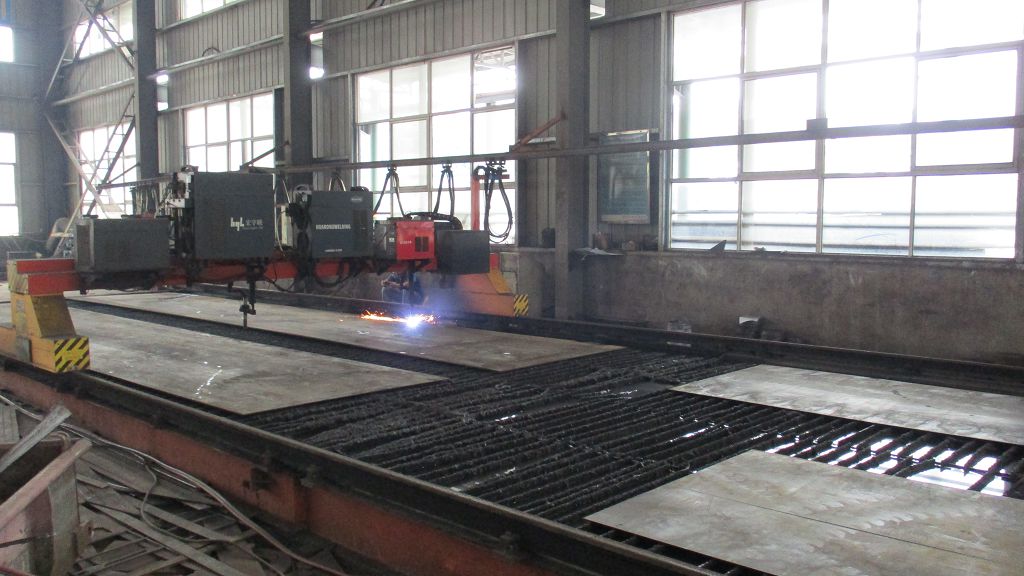
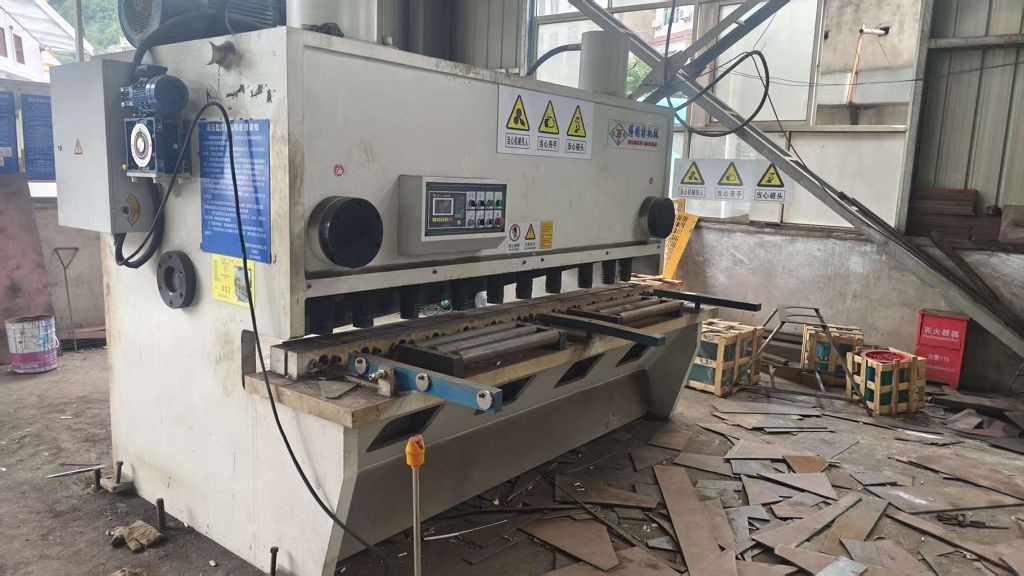
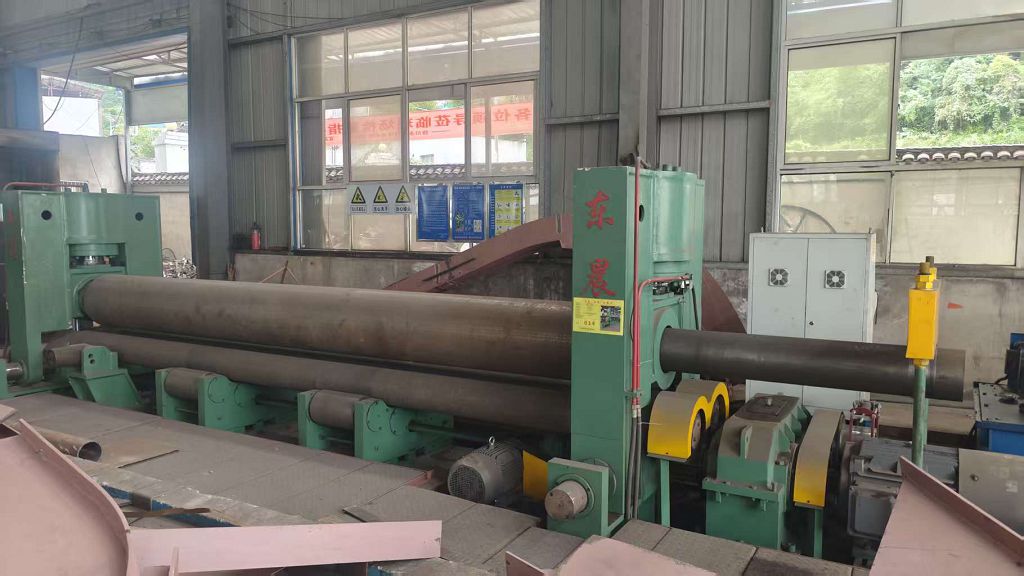
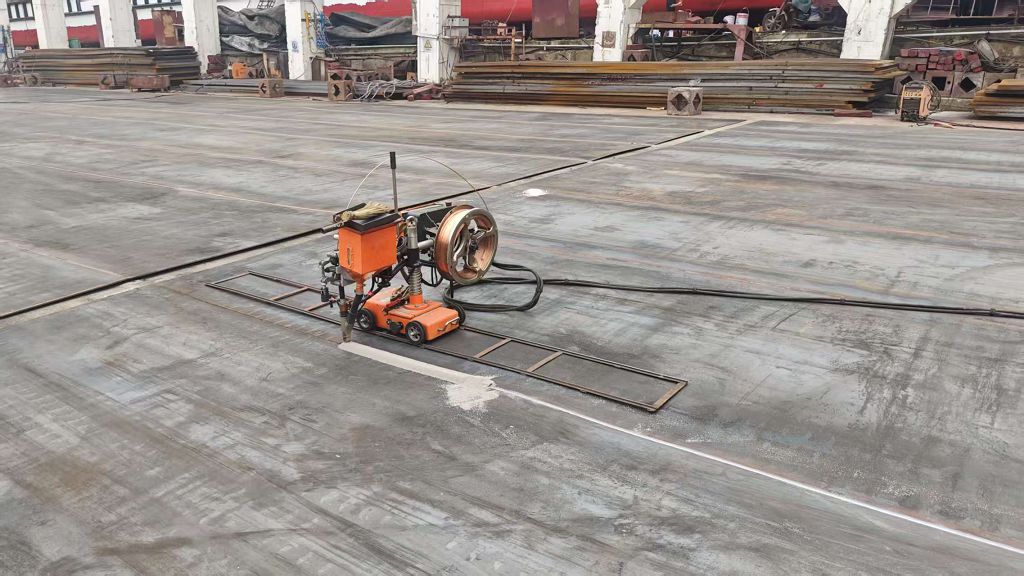
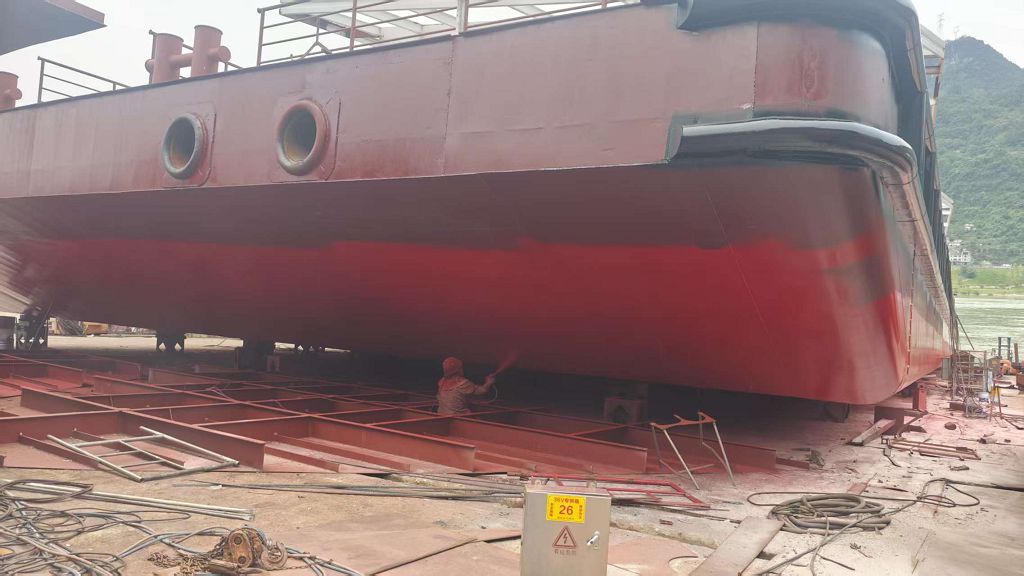
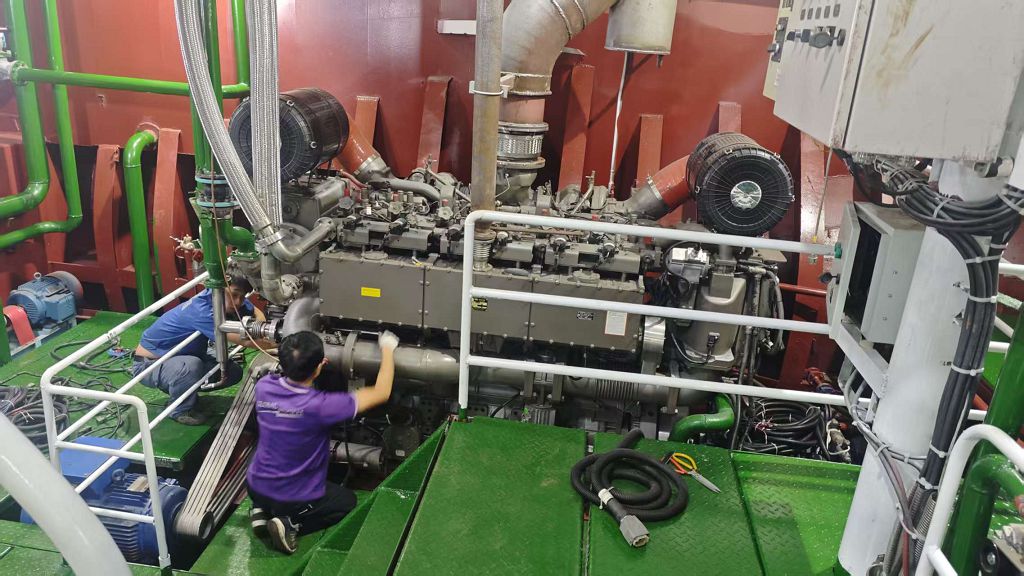
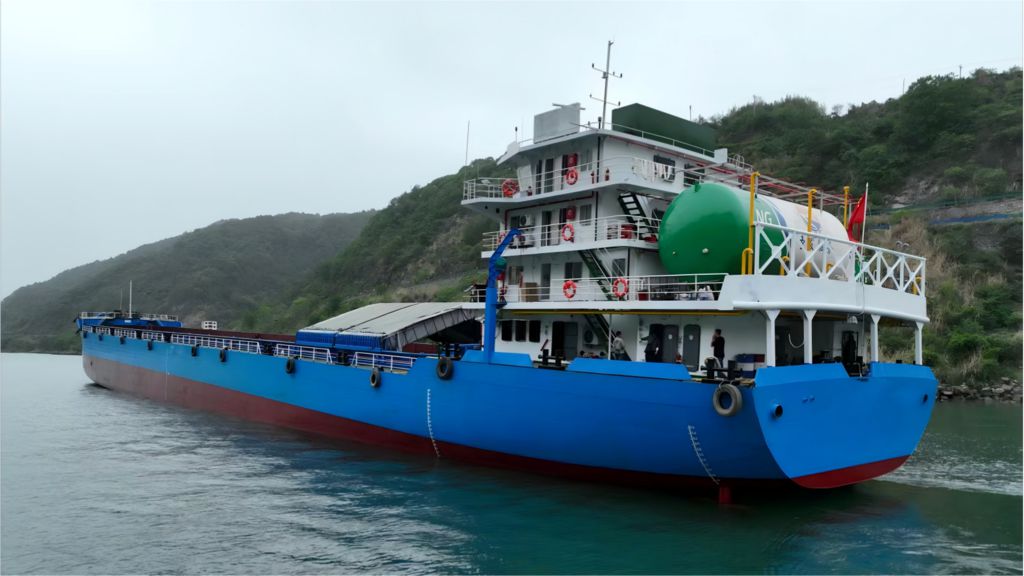
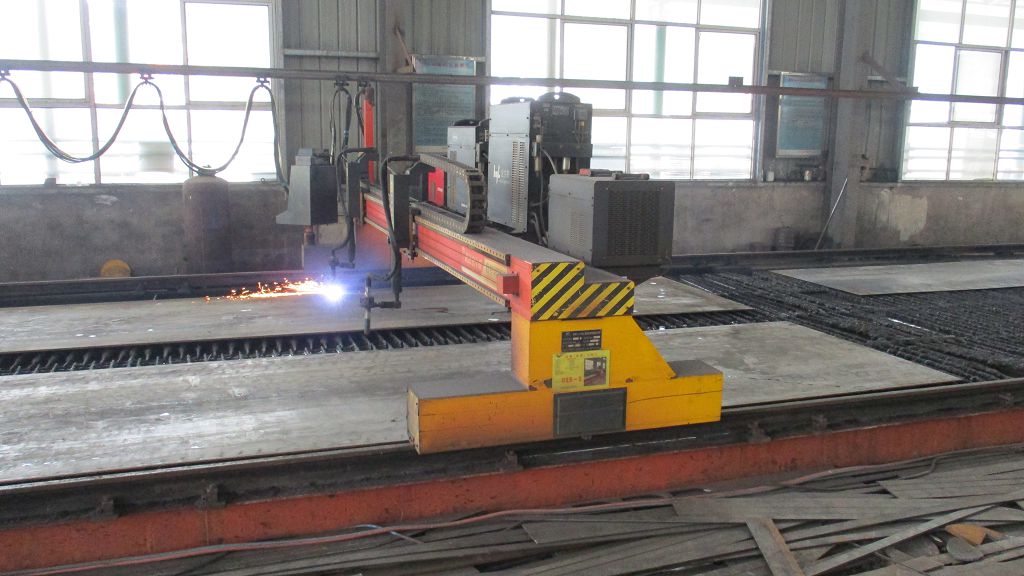
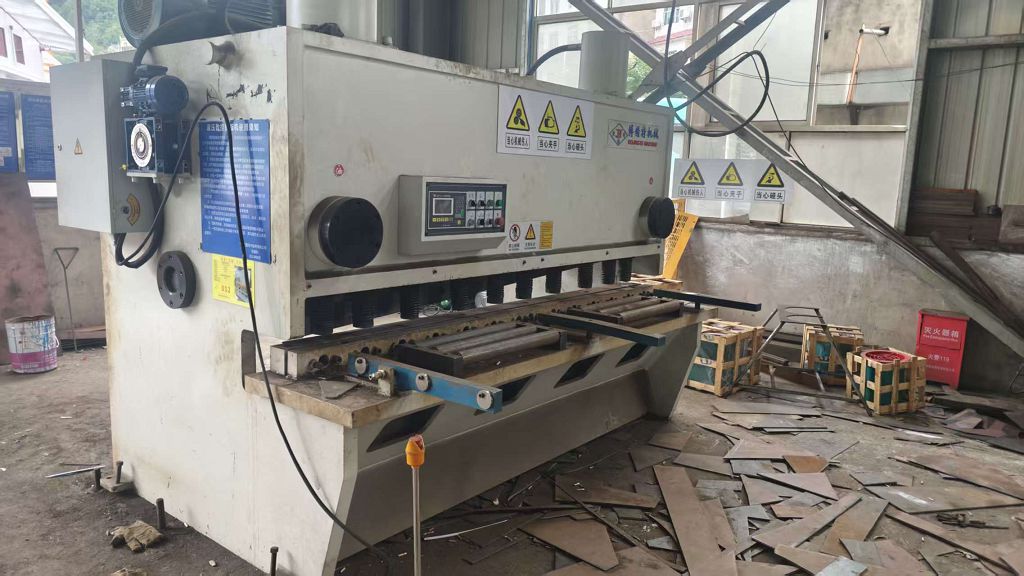
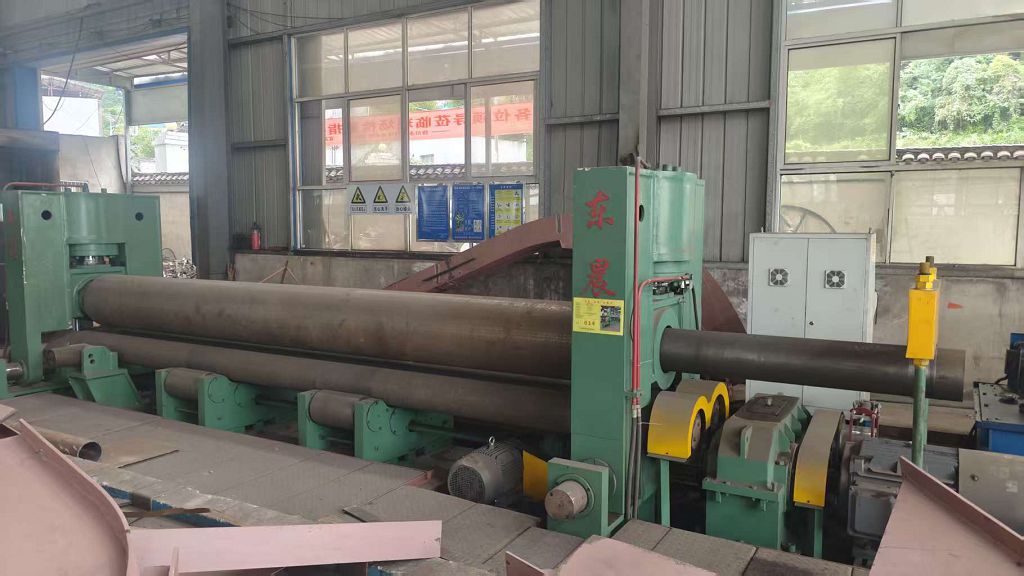
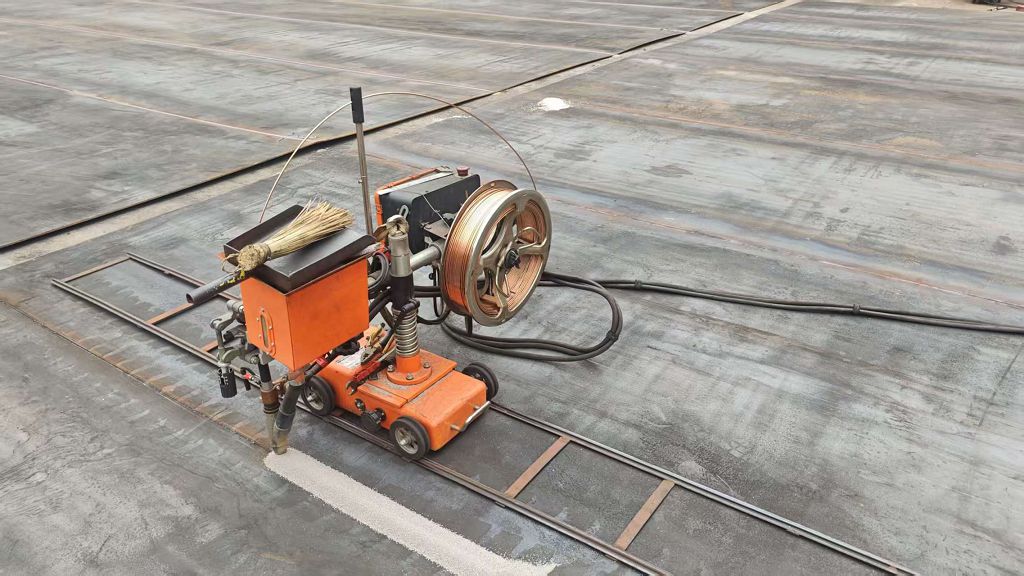
Modern logistics, especially for heavy machinery, oversized project cargo (OOG), and high-value new energy vehicles (NEVs), requires specialized physical protection. Our operations go beyond digital customs filings to include physical cargo protection engineering. We design and fabricate custom shipping racks, structural steel frames, and protective transport packaging to secure challenging cargo over long transit routes.
Below is our specialized metal fabrication and engineering process. These systems are used to build the support structures, custom storage frames, and heavy-duty shipping containers that keep complex cargo safe during multi-modal transport.
Every international trade lane has its own unique regulatory and logistical challenges. Below are key logistics corridors where our integrated customs brokerage and freight services help keep supply chains moving:
We handle complex import customs clearances at major European entry ports like Marseille and Le Havre. By managing French VAT declarations, customs duties, and last-mile DDP delivery, we help prevent delays for businesses importing to European retail and industrial networks.
With the growth of nearshoring, Mexico's ports (such as Manzanillo and Mexico City) have become key transit hubs. We manage complex customs requirements for auto parts, electronics, and heavy machinery, ensuring compliance with both USMCA and local regulations.
Shipping to landlocked or emerging markets like Ethiopia, Uganda, and Oman requires specialized logistics coordination. We manage transshipment documentation, air-sea transfers, and localized inland customs clearances to ensure smooth delivery across regional borders.
Shenzhen Leoti Logistics Co., Ltd. is a modern international logistics company dedicated to providing comprehensive and efficient global freight solutions. The company primarily specializes in import and export freight forwarding, including air freight, ocean shipping, international express delivery, rail transport, and road transportation services.
In addition to core transportation services, Leoti Logistics offers a full range of one-stop logistics solutions, such as customs clearance, warehousing, cargo consolidation, trailer transportation, and trade agency services. Our goal is to simplify global trade for our clients by providing seamless end-to-end logistics support.
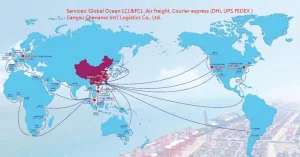
As a trusted booking agent for multiple leading shipping lines and airlines, the company is able to secure competitive cargo space in major global port cities, including Shenzhen, Guangzhou, Shanghai, Ningbo, Xiamen, Qingdao, Tianjin, Dalian, Beijing, and Lianyungang. Through strong partnerships with local warehouses, trucking fleets, and customs brokers, Leoti ensures smooth and efficient operations at every major port.
Over the years, Shenzhen Leoti Logistics has actively expanded its overseas logistics network. Today, we cooperate with more than 200 global agents covering Europe, North America, South America, Africa, Oceania, Central Asia, and Southeast Asia. This extensive network allows us to provide reliable international air freight, sea freight, express delivery, customs clearance, and last-mile delivery services worldwide.
Our overseas operations team maintains 24/7 real-time communication with international partners, ensuring timely coordination and secure handling of all shipments. This continuous communication helps guarantee cargo safety, operational efficiency, and customer satisfaction.
Leoti Logistics is proud of its strong core advantages. Our experienced and highly professional logistics team is well-versed in international shipping procedures and has in-depth knowledge of customs regulations and trade policies across different countries. This expertise enables us to design precise logistics solutions, effectively reduce operational risks, and optimize costs for our clients.
Supported by an advanced logistics information system, we provide real-time tracking throughout the entire transportation process. Customers can monitor their shipments at any time with full transparency and confidence.
At Shenzhen Leoti Logistics, we always adhere to a customer-first service philosophy. From order placement to final delivery, we offer personalized, one-on-one service to ensure that every client’s needs are responded to quickly and handled professionally.
Looking ahead, Shenzhen Leoti Logistics Co., Ltd. will continue to expand its global presence, enhance service quality, and strengthen its integrated logistics capabilities. Our vision is to become a leading international logistics enterprise and contribute to the growth and efficiency of global trade.
Essential insights on customs compliance, tariff management, and international shipping procedures.
End-to-end cargo delivery options for oversized, urgent, and specialized project shipments worldwide.
 Leoti Logistics