Jakarta, the capital region of Indonesia, remains the central economic powerhouse of Southeast Asia's largest economy. The surrounding Jabodetabek region (Jakarta, Bogor, Depok, Tangerang, Bekasi) accounts for more than 60% of the country's manufacturing activities and consumer demand. In particular, industrial zones such as Cikarang, Karawang, and Marunda house massive assembly plants for automotive parts, high-tech electronics, consumer goods, and industrial machinery. Sustaining this ecosystem requires highly reliable and agile supply chains.
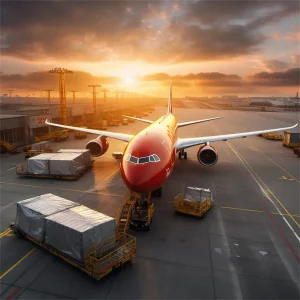
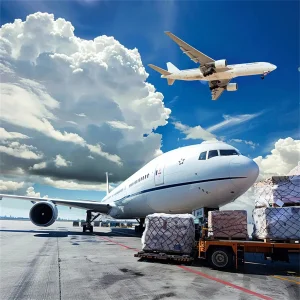
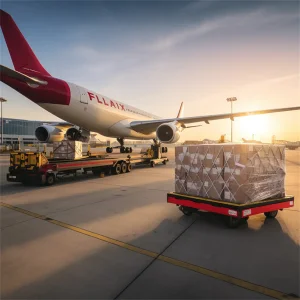
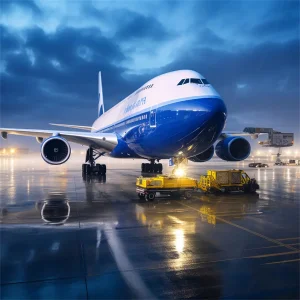
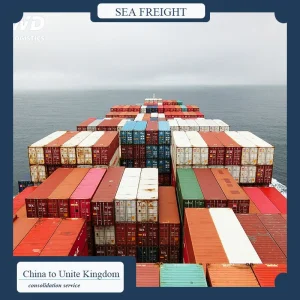
As maritime shipping lines face seasonal congestion at the Port of Tanjung Priok, global procurement directors look to air freight for speed and supply chain resilience. Through Soekarno-Hatta International Airport (CGK), air freight consolidation operates as the strategic link connecting these industrial hubs with global manufacturing hubs, especially in China. Air Freight Consolidation acts as a stabilizer, grouping smaller shipments (LCL/LTL equivalents in air cargo) into single master shipments. This model optimizes space, drastically reduces air transport tariffs, and enables reliable inventory replenishment.
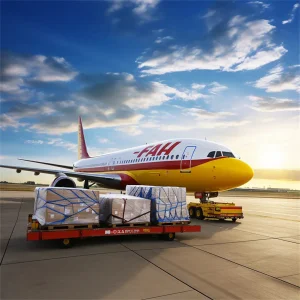
In modern international trade, buyers rarely purchase single-source full container loads (FCL) of uniform inventory. Global supply chains thrive on high-mix, low-volume orders spread across multiple suppliers. Fragmented shipments arriving independently at air terminals lead to astronomical minimum freight charges, duplicate customs brokerage fees, and fragmented tracking. By leveraging an integrated consolidation hub in China, global buyers can collect products from multiple factories, bundle them into a single Master Air Waybill (MAWB), and ship them collectively to Jakarta.
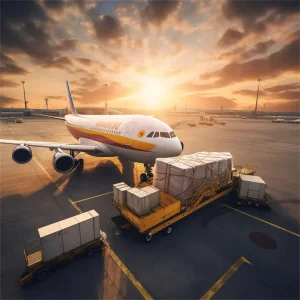
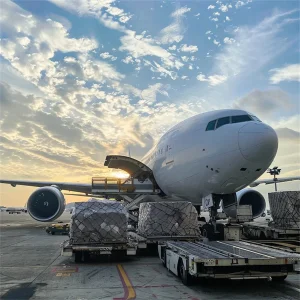
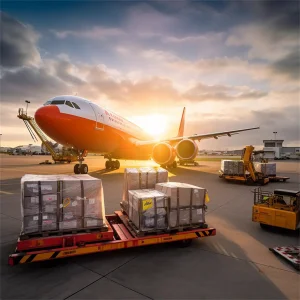
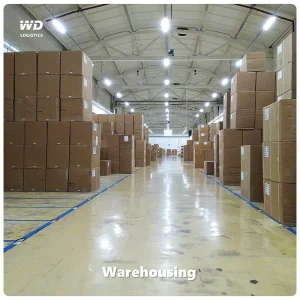
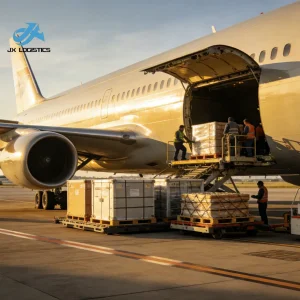
This process relies on advanced warehousing management. At our smart consolidation centers in Shenzhen, Guangzhou, Shanghai, and Ningbo, cargoes are scanned, weighed, measured, and verified before being grouped onto Unit Load Devices (ULDs). This reduces handling during transit, virtually eliminating risks of physical damage, and provides clear visibility for the entire cargo manifest, preventing delays at destination customs.
Real-time environment and position tracking at every node—from Chinese warehouses to CGK airport cargo terminals.
Complete regulatory compliance with HS Code validation to mitigate risks associated with Indonesia's complex import licensing systems.
Complimentary storage, sorting, repacking, and palletizing services to match the manufacturing output of multiple suppliers.
The manufacturing landscape in China has evolved into Factory 4.0, characterized by extreme automation, high-precision fabricating, and integrated digital workflows. Modern logistics providers must align with these high-performance ecosystems. When handling complex precision items, the line between manufacturing processing and shipping preparation is blurred. Logistics agents now provide extensive value-added technical support to protect products during international transit.
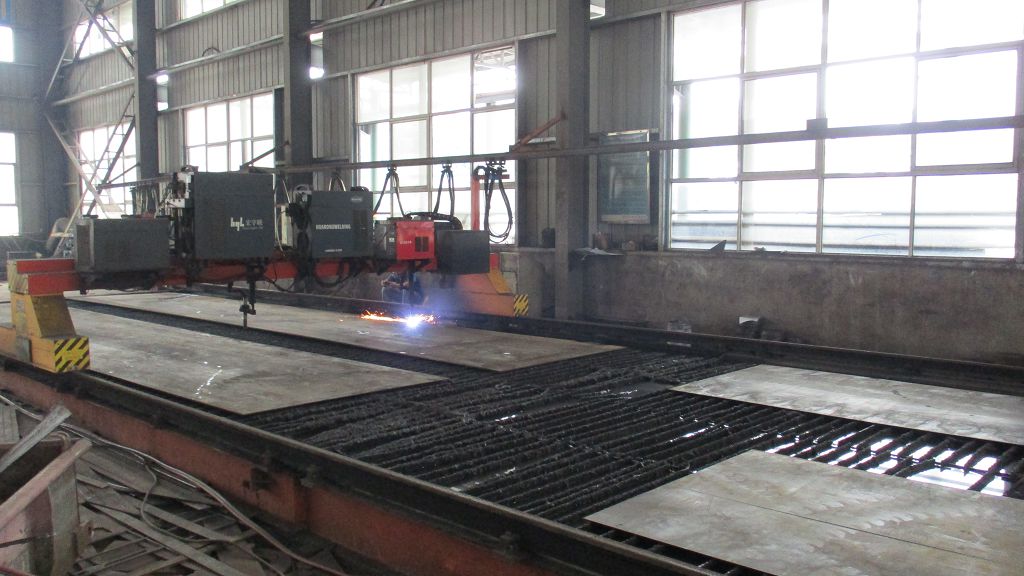
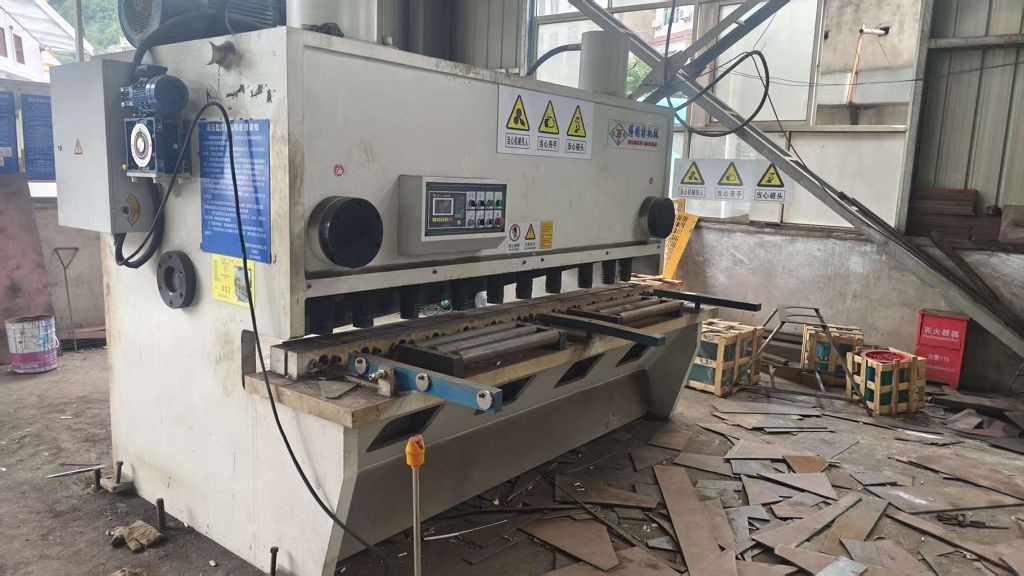
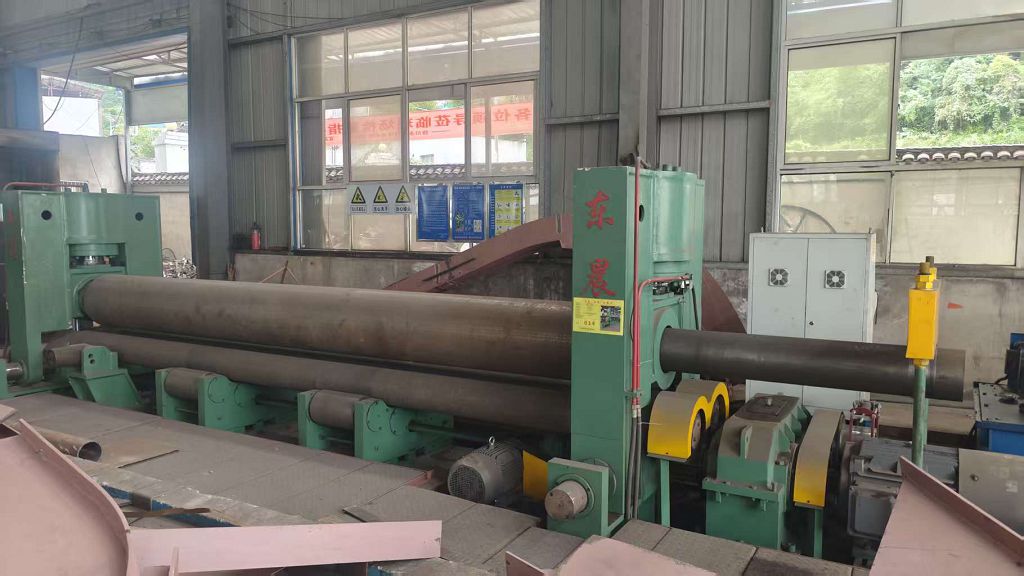
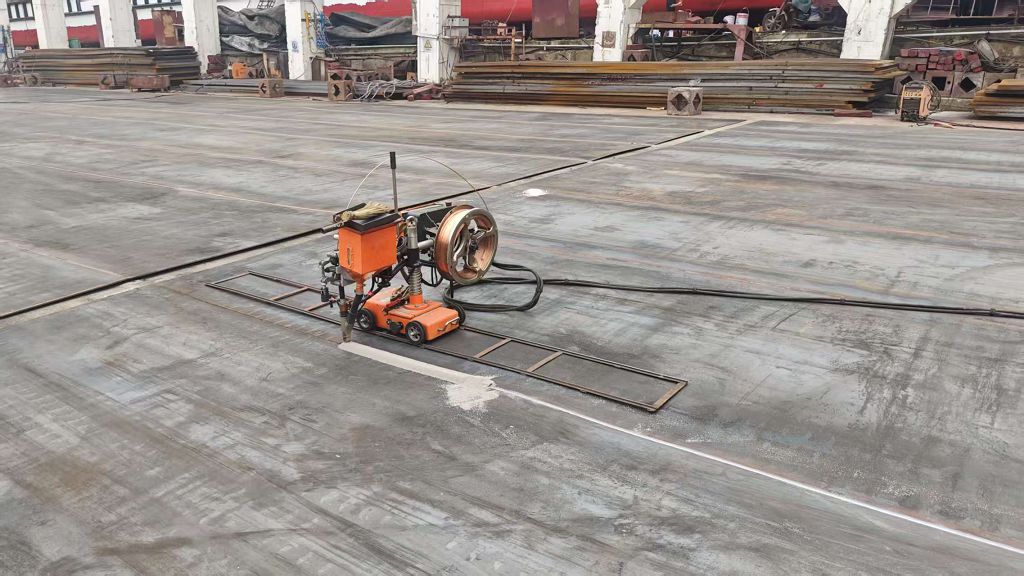
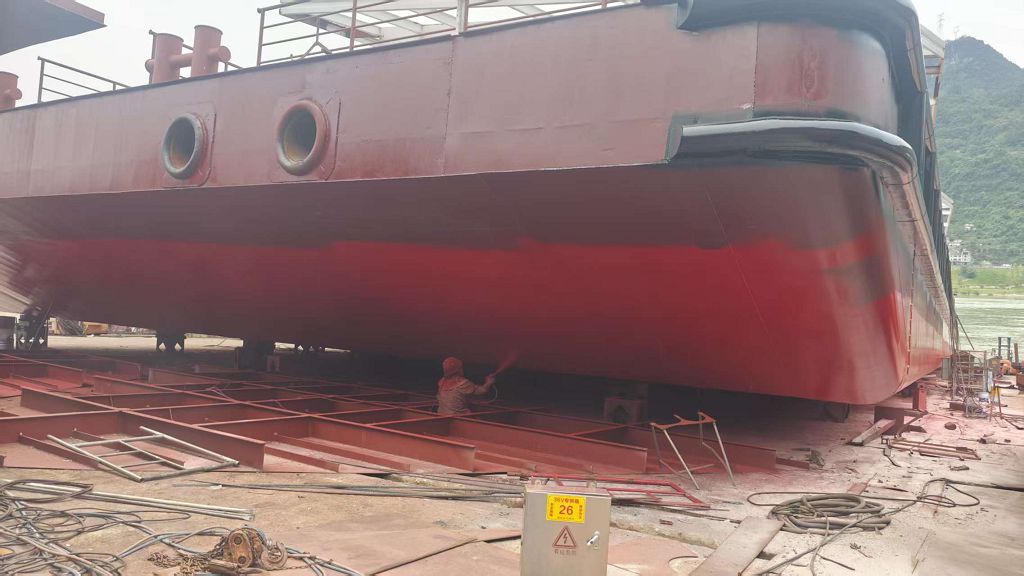
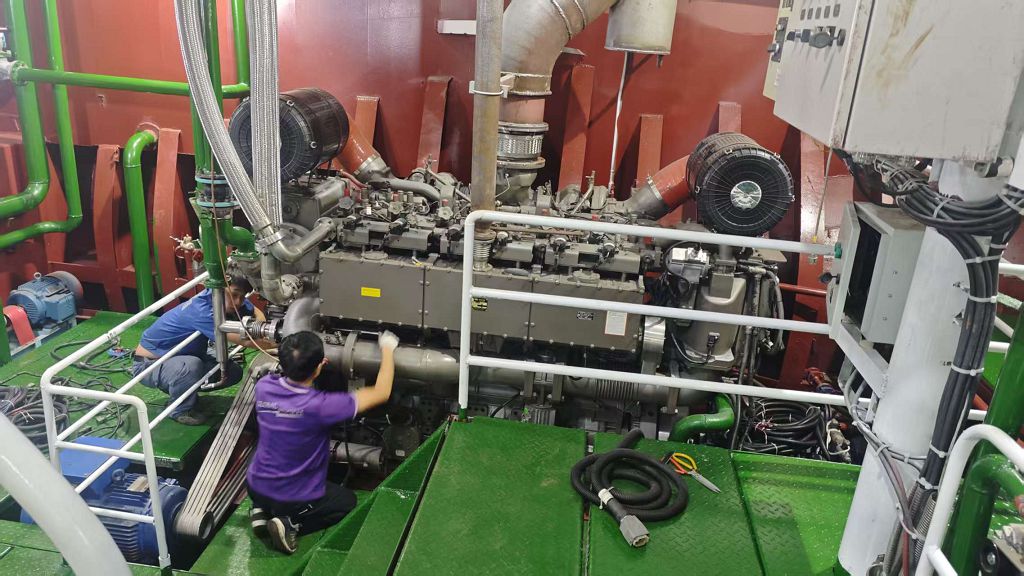
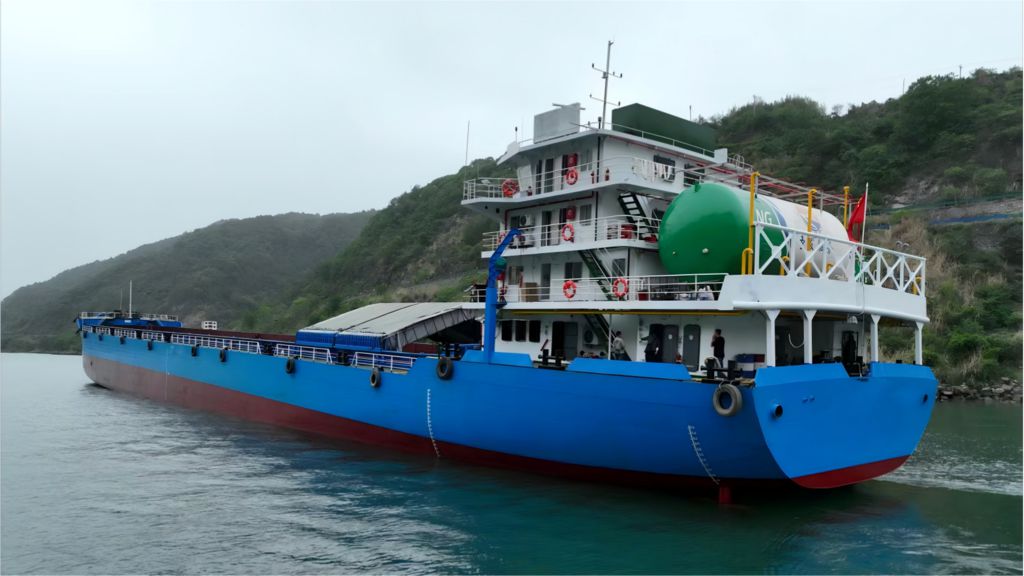
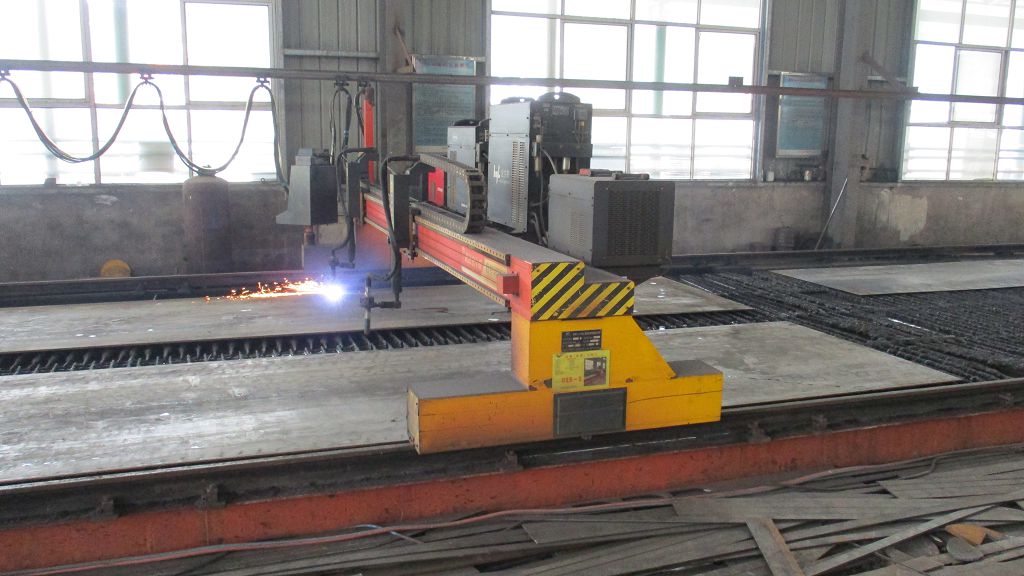
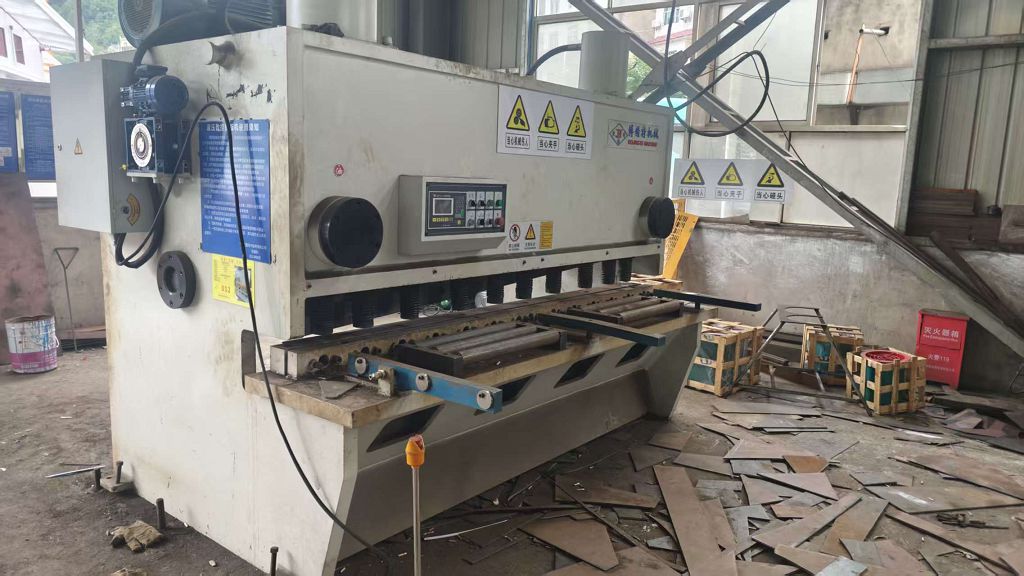
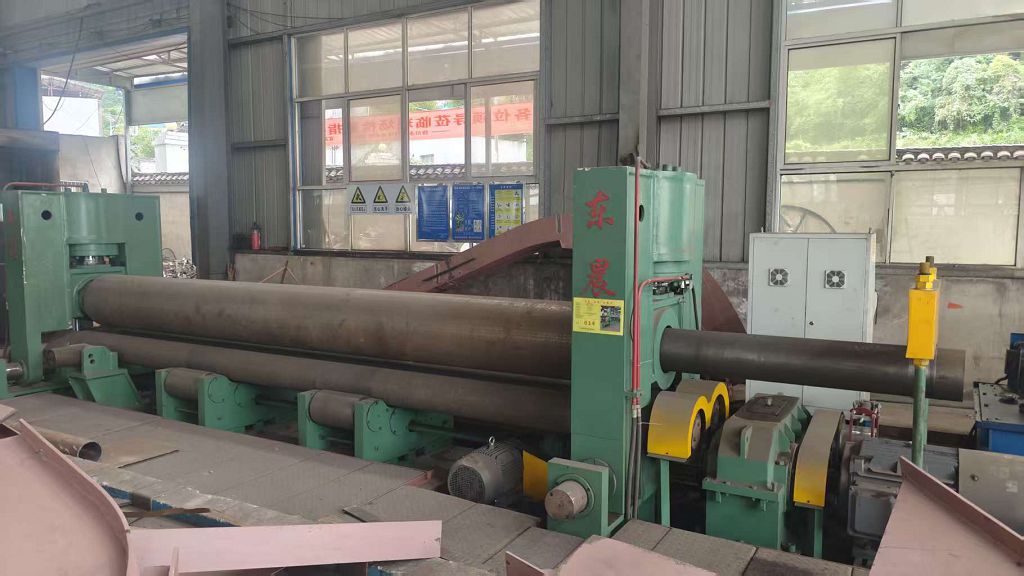
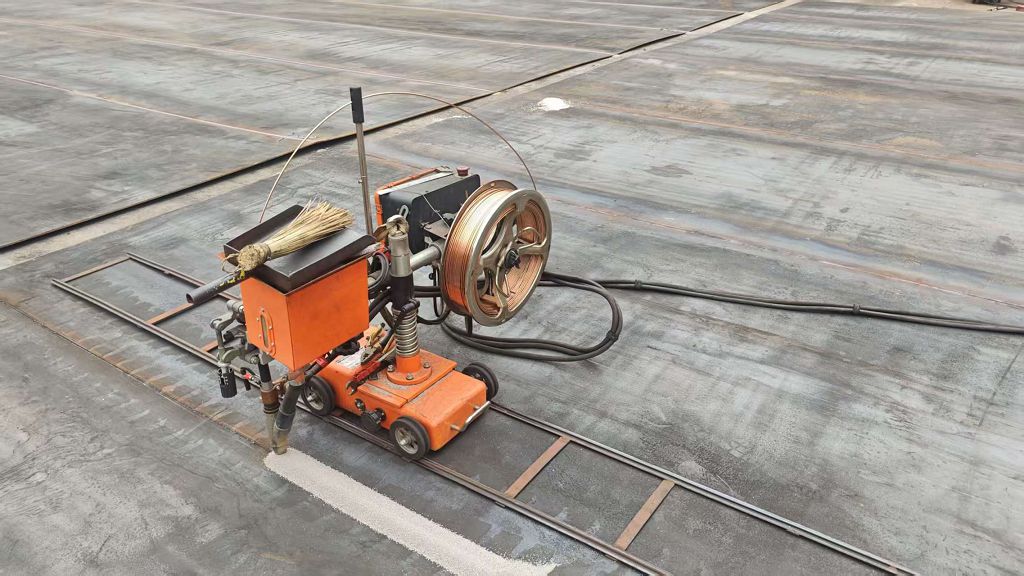
Precision-engineered components require specialized packaging, bracing, and handling, starting right from the factory floor. Our partner facilities and factories utilize advanced machinery to prepare shipments. In physical component preparation and product assembly stages, standard fabrication operations ensure structural durability before shipping. The integration of structural processing technologies and final packaging design is essential for logistics safety, ensuring components withstand the mechanical vibrations of air transit.
The single greatest challenge for logistics managers shipping to Jakarta is local customs clearance. Indonesian customs (Direktorat Jenderal Bea dan Cukai) enforces rigid import control policies. Under the Indonesian system, importers face three primary operational pathways: the Green Line (Jalur Hijau), the Yellow Line (Jalur Kuning), and the Red Line (Jalur Merah). The Red Line involves physical inspection of the cargo, which can lead to delays and demurrage charges if documents are incorrect.
Moreover, Indonesia uses the INSW (Indonesia National Single Window) system to manage Lartas (Larangan dan Pembatasan) licenses. These are restriction lists covering automotive parts, medical devices, foods, cosmetics, and electronics. Standard air freight services often struggle with these regulations, but consolidated freight manages this risks by grouping compatible commodities, performing pre-clearance audits of HS codes, and ensuring that all necessary API-U/API-P import licenses, SNI certifications, and SDPPI approvals are in place before departure from China.
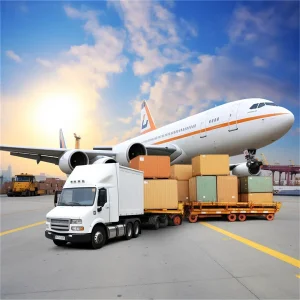
Cargo arriving at CGK airport must reach its final destination quickly. A reliable consolidation partner manages the supply chain up to the warehouse floor in Bekasi, Tangerang, or Cikarang. This requires dedicated trucking services, customs brokerage offices at the airport terminals, and local logistics partnerships. For high-value cargos, such as electronics components or specialized industrial parts, last-mile delivery vehicles are equipped with GPS tracking and security locks to protect goods until they reach their final destination.
Shenzhen Leoti Logistics Co., Ltd. is a modern international logistics company dedicated to providing comprehensive and efficient global freight solutions. The company primarily specializes in import and export freight forwarding, including air freight, ocean shipping, international express delivery, rail transport, and road transportation services.
In addition to core transportation services, Leoti Logistics offers a full range of one-stop logistics solutions, such as customs clearance, warehousing, cargo consolidation, trailer transportation, and trade agency services. Our goal is to simplify global trade for our clients by providing seamless end-to-end logistics support.
As a trusted booking agent for multiple leading shipping lines and airlines, the company is able to secure competitive cargo space in major global port cities, including Shenzhen, Guangzhou, Shanghai, Ningbo, Xiamen, Qingdao, Tianjin, Dalian, Beijing, and Lianyungang. Through strong partnerships with local warehouses, trucking fleets, and customs brokers, Leoti ensures smooth and efficient operations at every major port.
Over the years, Shenzhen Leoti Logistics has actively expanded its overseas logistics network. Today, we cooperate with more than 200 global agents covering Europe, North America, South America, Africa, Oceania, Central Asia, and Southeast Asia. This extensive network allows us to provide reliable international air freight, sea freight, express delivery, customs clearance, and last-mile delivery services worldwide.
Our overseas operations team maintains 24/7 real-time communication with international partners, ensuring timely coordination and secure handling of all shipments. This continuous communication helps guarantee cargo safety, operational efficiency, and customer satisfaction.
Leoti Logistics is proud of its strong core advantages. Our experienced and highly professional logistics team is well-versed in international shipping procedures and has in-depth knowledge of customs regulations and trade policies across different countries. This expertise enables us to design precise logistics solutions, effectively reduce operational risks, and optimize costs for our clients.
Supported by an advanced logistics information system, we provide real-time tracking throughout the entire transportation process. Customers can monitor their shipments at any time with full transparency and confidence.
At Shenzhen Leoti Logistics, we always adhere to a customer-first service philosophy. From order placement to final delivery, we offer personalized, one-on-one service to ensure that every client’s needs are responded to quickly and handled professionally.
Looking ahead, Shenzhen Leoti Logistics Co., Ltd. will continue to expand its global presence, enhance service quality, and strengthen its integrated logistics capabilities. Our vision is to become a leading international logistics enterprise and contribute to the growth and efficiency of global trade.
 Leoti Logistics