Strategic Context: As South America's second-largest economy, Argentina relies heavily on robust maritime transport to bridge its vast agricultural heartland and growing industrial hubs with global markets. Full Container Load (FCL) shipping represents the lifeblood of this trade flow, ensuring cost efficiency, load security, and predictable lead times across crucial trade lanes.
Argentina's economic geography dictates a heavy reliance on maritime shipping. The country’s export engine—predominantly concentrated in agricultural bulk commodities (soybeans, corn, wheat), fresh meats, premium viticulture products, and emerging critical minerals like lithium—requires highly specialized logistics solutions. Unlike Less than Container Load (LCL) options, FCL shipping offers Argentine exporters dedicated container capacity that mitigates contamination risks, eliminates handling damage, and yields substantial economies of scale. Major export gateways like the Port of Buenos Aires, the Rosario Port Complex (upriver along the Paraná River), and Bahía Blanca serve as critical interfaces where inland intermodal routes transition to international ocean transit.
Recent developments in Argentina's domestic policy, such as the digitization of customs processes (the transition to simplified import/export licensing systems) and investments in deepwater port dredging, have reshaped the maritime landscape. Global exporters operating in Argentina face a complex matrix of freight procurement challenges, including volatile ocean freight rates, capacity constraints during the peak agricultural harvest season ("cosecha gruesa"), and the necessity of strict cold-chain compliance for refrigerated cargo (reefers) bound for North America, Europe, and Asia. In this context, establishing alliances with logistics factories that control the container packaging infrastructure, tank manufacturing, and freight operations is paramount.
The global shipping sector is experiencing a paradigm shift driven by decarbonization mandates, digital freight visibility, and the reconfiguration of regional supply chains. FCL shipping remains the cornerstone of global trade, yet procurement directors are shifting from pure "just-in-time" models to "just-in-case" resilience strategies. This shift demands logistics partners who do not merely book space on vessels, but who own and manage the fabrication of critical containment hardware and offer integrated end-to-end oversight.
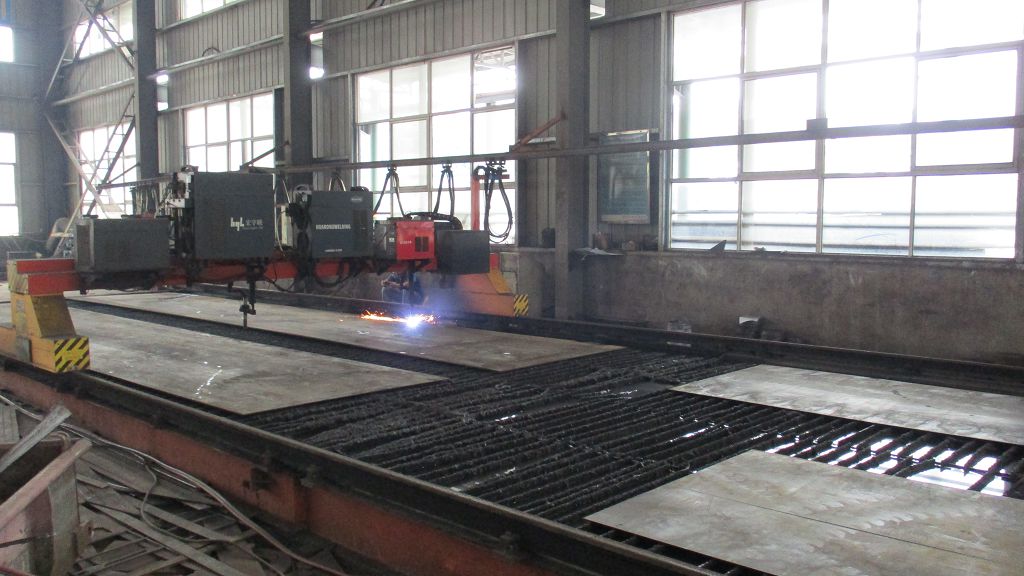
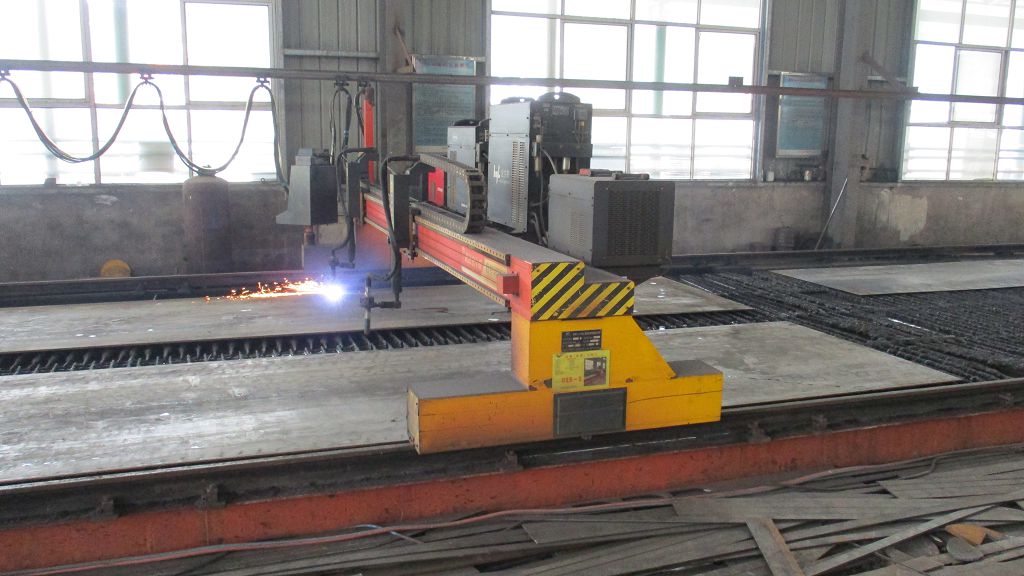
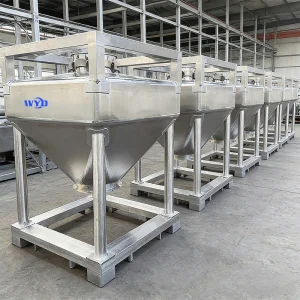
This is where the synergy between China’s advanced manufacturing infrastructure and Argentina’s resource wealth becomes clear. Shenzhen Leoti Logistics Co., Ltd. represents the modern evolution of this dynamic: a hybrid of a logistics provider and an industrial equipment manufacturer. By combining advanced manufacturing processes—such as high-precision laser cutting, automated welding, and specialized tank fabrication—with a global freight forwarding network, we provide specialized shipping containers, ISO tanks, and heavy-duty storage systems (such as Conical Hopper Stainless Steel IBCs) engineered to meet the strict demands of international trade.
China's logistics manufacturing speed and efficiency enable the rapid deployment of customized container inserts, protective linings, and bulk liquid transport systems. While traditional forwarders struggle to secure specialized equipment during peak seasons, our integrated factory-to-port model ensures that the hardware needed to load, secure, and transport complex materials is designed, built, and shipped in one seamless workflow.
Shenzhen Leoti Logistics Co., Ltd. is a modern international logistics company dedicated to providing comprehensive and efficient global freight solutions. The company primarily specializes in import and export freight forwarding, including air freight, ocean shipping, international express delivery, rail transport, and road transportation services.
In addition to core transportation services, Leoti Logistics offers a full range of one-stop logistics solutions, such as customs clearance, warehousing, cargo consolidation, trailer transportation, and trade agency services. Our goal is to simplify global trade for our clients by providing seamless end-to-end logistics support.
As a trusted booking agent for multiple leading shipping lines and airlines, the company is able to secure competitive cargo space in major global port cities, including Shenzhen, Guangzhou, Shanghai, Ningbo, Xiamen, Qingdao, Tianjin, Dalian, Beijing, and Lianyungang. Through strong partnerships with local warehouses, trucking fleets, and customs brokers, Leoti ensures smooth and efficient operations at every major port.
Over the years, Shenzhen Leoti Logistics has actively expanded its overseas logistics network. Today, we cooperate with more than 200 global agents covering Europe, North America, South America, Africa, Oceania, Central Asia, and Southeast Asia. This extensive network allows us to provide reliable international air freight, sea freight, express delivery, customs clearance, and last-mile delivery services worldwide.
Our overseas operations team maintains 24/7 real-time communication with international partners, ensuring timely coordination and secure handling of all shipments. This continuous communication helps guarantee cargo safety, operational efficiency, and customer satisfaction.
Leoti Logistics is proud of its strong core advantages. Our experienced and highly professional logistics team is well-versed in international shipping procedures and has in-depth knowledge of customs regulations and trade policies across different countries. This expertise enables us to design precise logistics solutions, effectively reduce operational risks, and optimize costs for our clients.
Supported by an advanced logistics information system, we provide real-time tracking throughout the entire transportation process. Customers can monitor their shipments at any time with full transparency and confidence.
At Shenzhen Leoti Logistics, we always adhere to a customer-first service philosophy. From order placement to final delivery, we offer personalized, one-on-one service to ensure that every client’s needs are responded to quickly and handled professionally.
Looking ahead, Shenzhen Leoti Logistics Co., Ltd. will continue to expand its global presence, enhance service quality, and strengthen its integrated logistics capabilities. Our vision is to become a leading international logistics enterprise and contribute to the growth and efficiency of global trade.
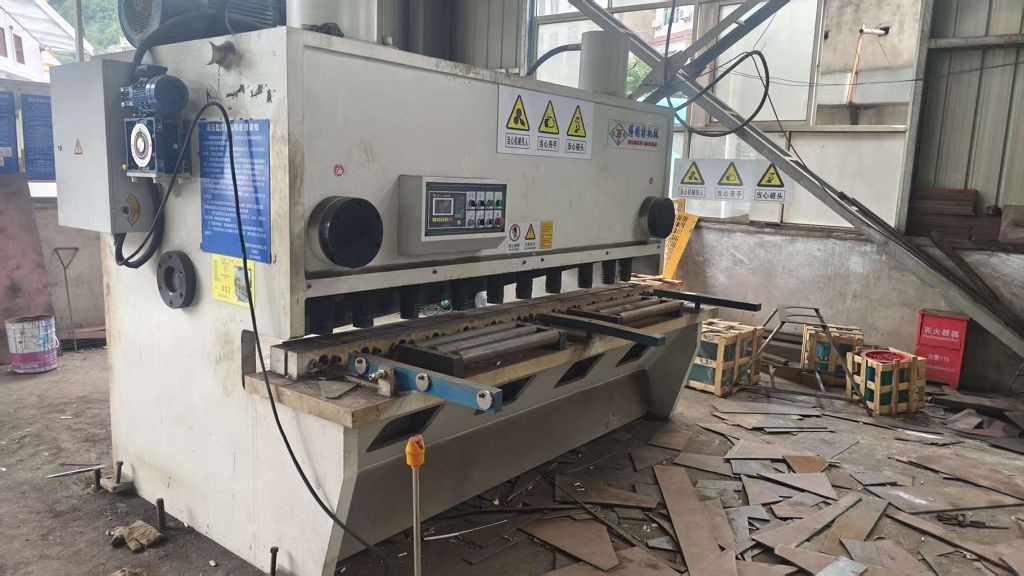
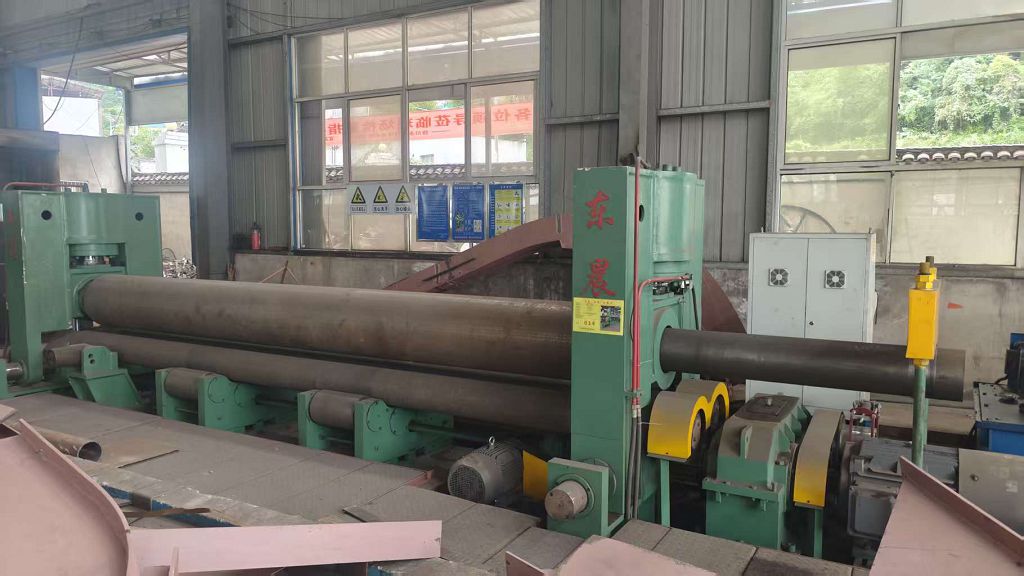
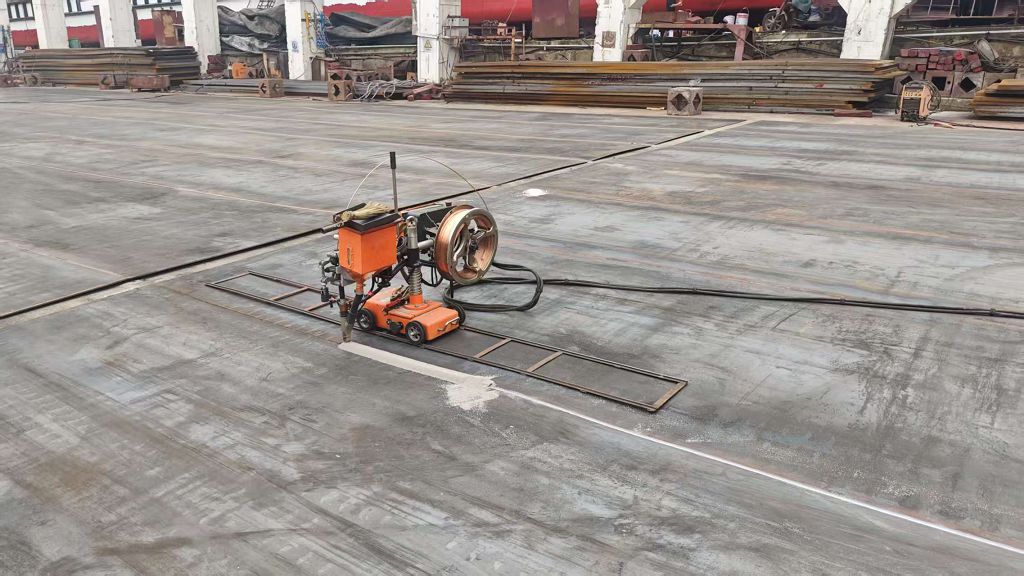
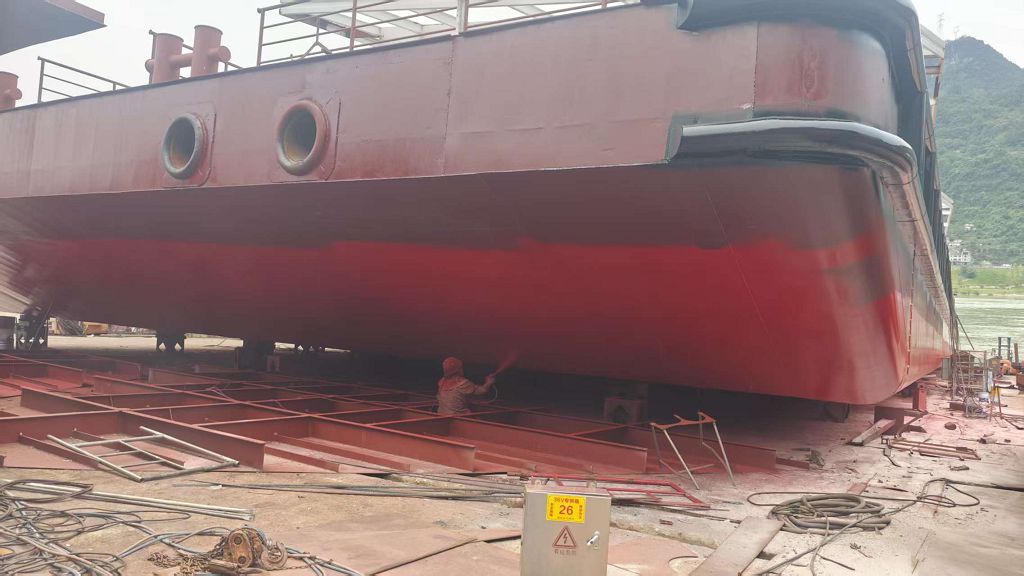
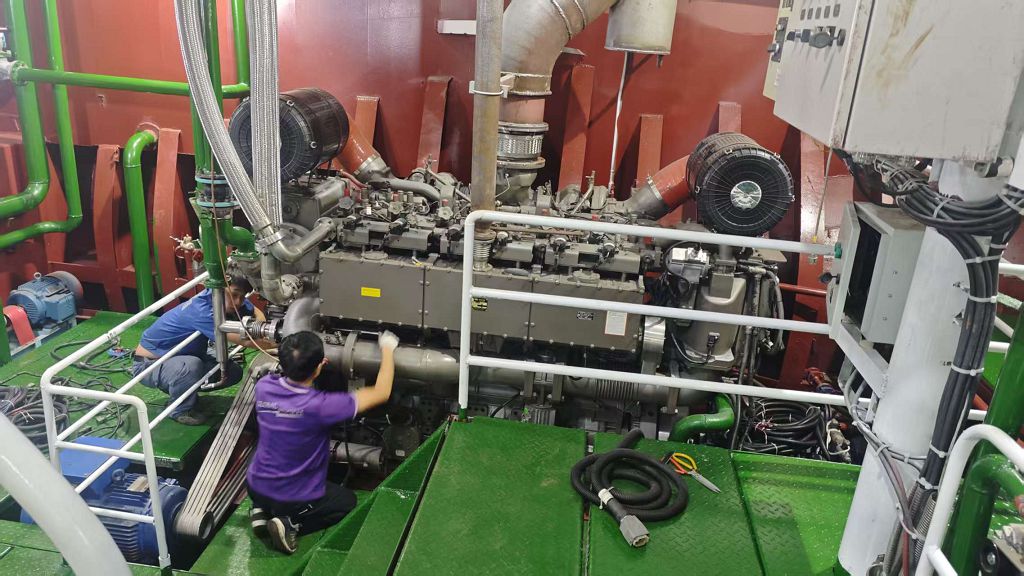
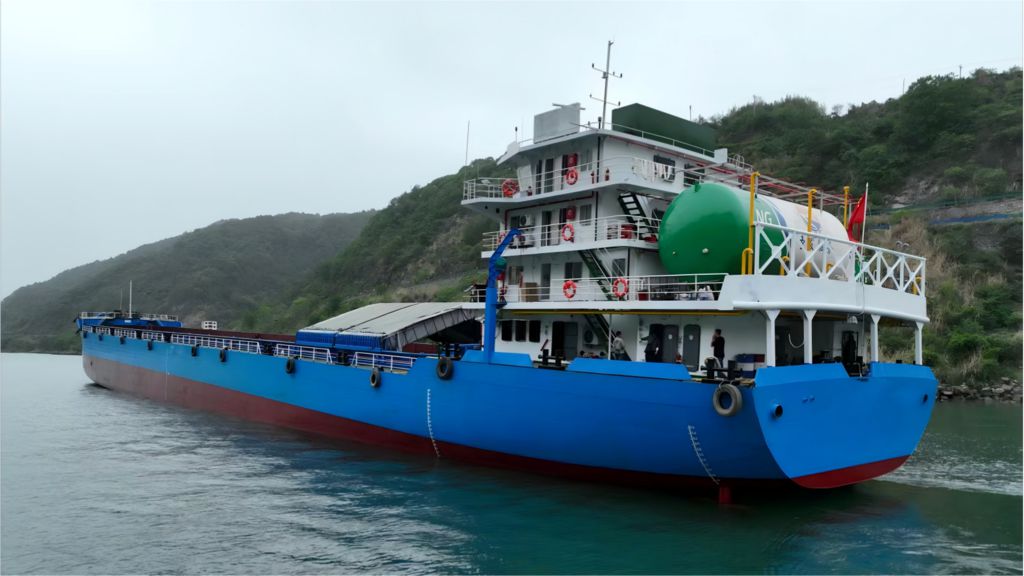
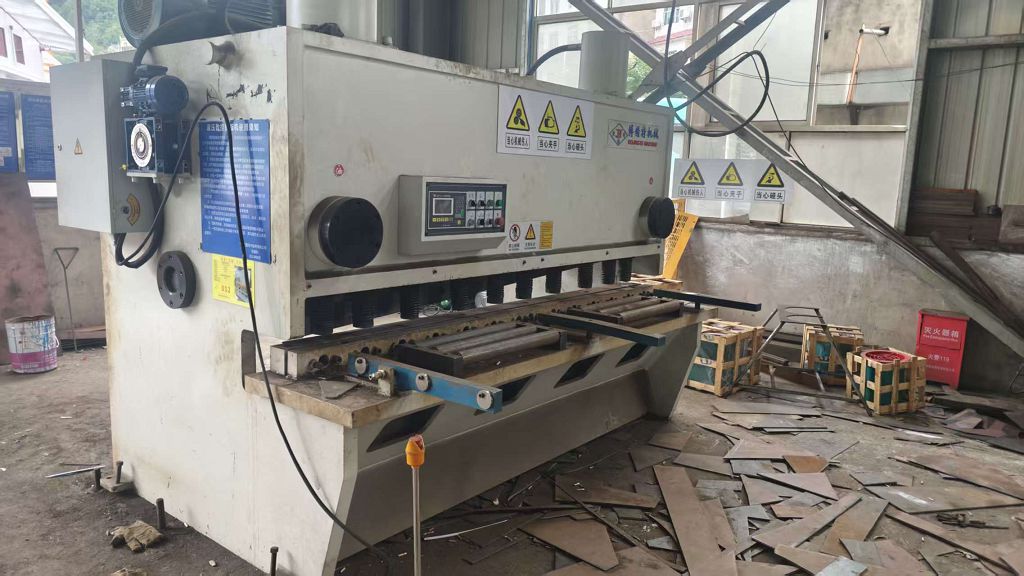
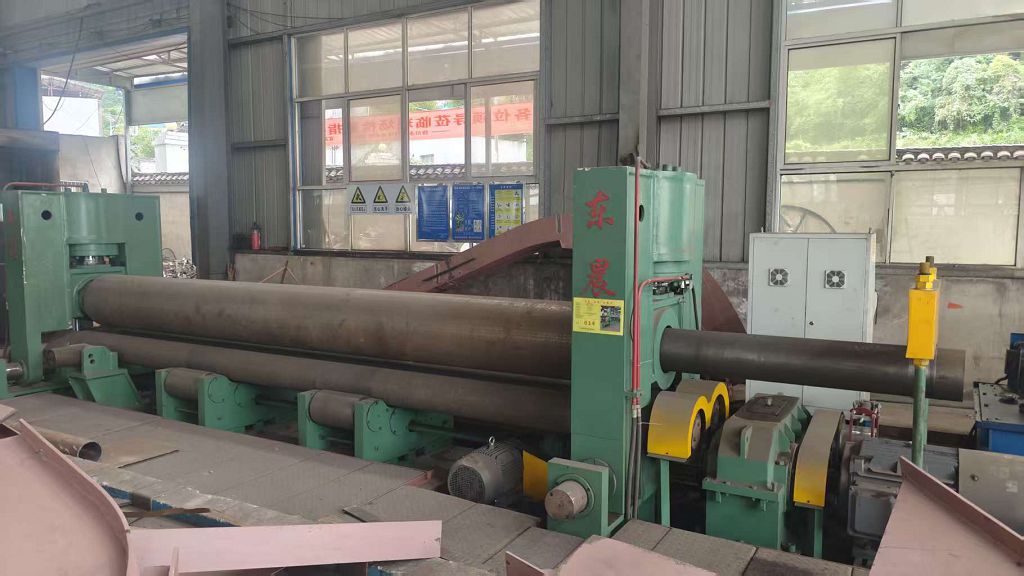
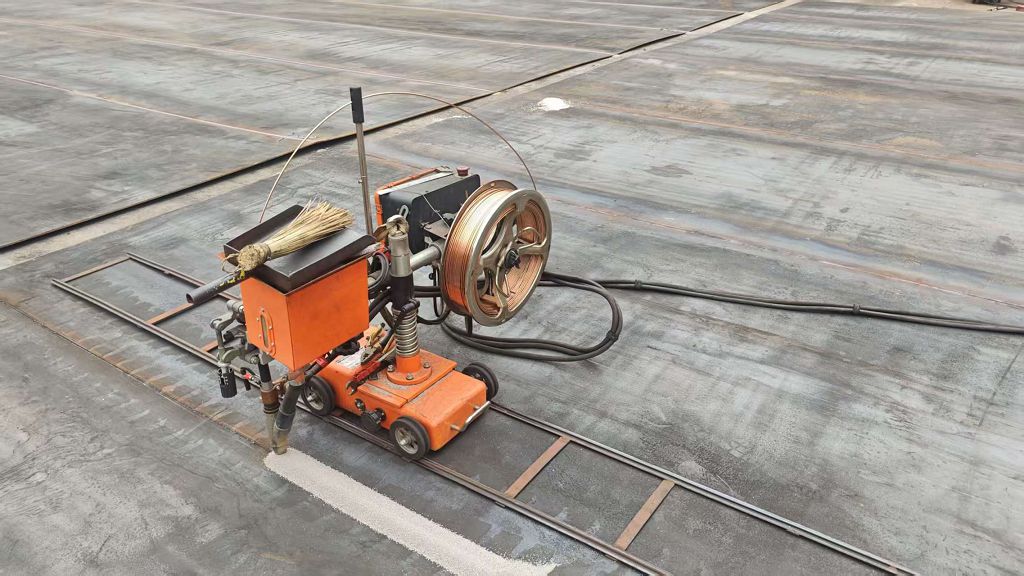
To support heavy-duty FCL shipping, bulk containerization, and safe liquid transport, we integrate advanced manufacturing capabilities directly into our supply chain. Below are the key fabrication stages of our shipping containment products, ISO container accessories, and specialized transport vessels:
Argentina's status as a top exporter of fresh beef, citrus fruits, and organic grapes requires highly dependable Cold-Chain Reefer FCL setups. Fluctuations in temperature or mechanical failures during transit can result in cargo loss. Our logistics team provides container temperature monitoring, pre-trip inspections (PTI), and priority customs routing at terminal gates. This ensures that delicate food exports reach European and North American supermarkets in optimal condition.
In the high-altitude provinces of Jujuy, Salta, and Catamarca, lithium extraction projects are expanding. Transporting industrial equipment, chemical precursors (such as sodium carbonate), and heavy machinery from global ports to remote Andean locations requires heavy-lift flat racks, open tops, and high-cube FCL structures. We coordinate the domestic rail-to-road transitions, securing permits for oversized cargo and managing challenging routes through the Puna region to ensure the safe delivery of mining supplies.
Argentina's Mendoza province is recognized for its wine industry. While premium bottled wines are shipped in standard FCL dry containers with thermal blankets, bulk wine is increasingly transported in heavy-duty flexitanks installed within 20ft dry containers. This approach optimizes payload capacity and reduces packaging waste. Additionally, our food-grade Stainless Steel IBC Conical Hopper Tanks provide a secure, reusable logistics loop for high-value liquid ingredients, supporting bulk exports to international bottlers.
Modern corporate procurement departments are emphasizing key performance indicators (KPIs) that extend beyond cost per TEU. Key priorities now include:
 Leoti Logistics