Direct routes, specialized container setups, and door-to-door (DDP/DDU) freight solutions custom-tailored for Nairobi, Mombasa, and regional East African trade lanes.
An in-depth analysis of East Africa's leading gateway and the critical operational variables for global trade.
Kenya is strategically positioned as the gateway to the East African Community (EAC). The Port of Mombasa serves as the primary maritime hub not only for Kenya but also for landlocked neighbors including Uganda, Rwanda, South Sudan, the Democratic Republic of Congo (DRC), and Burundi. Standard Full Container Load (FCL) shipping handles over 80% of these inbound manufactured goods, structural steel, solar PV installations, industrial machinery, and petrochemical products.
With the completion of Mombasa Port’s Container Terminal 2 (CT2) expansion, the port's annual handling capacity has exceeded 2.1 million TEUs (Twenty-foot Equivalent Units). This infrastructural evolution enables larger post-panamax vessels to dock, lowering the unit freight cost for shippers utilizing FCL arrangements. For industrial buyers, choosing FCL is the absolute standard to guarantee supply chain predictability, minimize damage from handling, and bypass LCL consolidation delays at CFS (Container Freight Station) facilities.
Moving containers from the coastal port of Mombasa to inland hubs like Nairobi, Naivasha, and Kisumu is highly optimized through the Madaraka Express Freight Service (SGR). Double-stack FCL freight trains transport import cargo directly from Mombasa Port to the Nairobi Inland Container Depot (ICD) in under 8 hours. By utilizing the Naivasha ICD, importers destined for western Kenya or transit markets like Uganda can process customs clearance inland, bypassing transit congestion points on the Northern Corridor highway.
When procuring goods from China or regional ports, determining the correct shipping mode impacts both cash flow and logistics security. Below is a comparative breakdown of FCL and LCL shipping modalities specific to the Kenyan trading environment.
| Operational Metric | Full Container Load (FCL) | Less than Container Load (LCL) |
|---|---|---|
| Volumetric Threshold | Best for shipments exceeding 15 CBM or weighing over 10 tons. | Ideal for small-batch cargo between 1 to 14 CBM. |
| Customs Handling | Single Import Declaration Form (IDF); fast clearance via iCMS. | Consolidated customs; subject to delays from other shippers' non-compliance. |
| Transit Times | Direct voyage from port of loading (e.g. Shenzhen) to Mombasa (~21-25 days). | Extended by 7-14 days due to packing/unpacking at CFS depots. |
| Cargo Security | Sealed at factory origin. Lowest risk of pilferage or damage. | Multiple handling touchpoints; higher risk of physical friction. |
Navigating Kenya Revenue Authority (KRA) procedures, KEBS quality compliance, and inland terminal operations.
Every commercial FCL import shipment to Kenya requires a Pre-Export Verification of Conformity (PVOC) certificate. Issued by authorized inspection bodies (such as SGS, Intertek, or Bureau Veritas) in the country of origin, this document confirms compliance with Kenyan standards. Importing without a PVOC attracts a 15% penalty on the CIF value, plus mandatory local testing at the importer's cost.
The Kenya Revenue Authority utilizes the Integrated Customs Management System (iCMS) to process declarations. Importers must lodge their Import Declaration Form (IDF), commercial invoices, packing lists, and Bill of Lading in iCMS prior to vessel arrival. Our local customs brokerage teams directly interface with KRA systems to expedite releases and secure cargo gate passes.
Kenyan customs applies import duty (varying by HS code category: 0%, 10%, 25%, or 35% under the EAC Common External Tariff), 16% Value Added Tax (VAT), 3.5% Import Declaration Fee (IDF), and a 2.0% Railway Development Levy (RDL). Under DDP container shipments, Leoti Logistics manages these cash outflows at Mombasa, delivering a fully-tax-paid cleared container to your warehouse.
Shenzhen Leoti Logistics Co., Ltd. – Bridging global manufacturing with local industrial delivery channels.
Shenzhen Leoti Logistics Co., Ltd. is a modern international logistics company dedicated to providing comprehensive and efficient global freight solutions. The company primarily specializes in import and export freight forwarding, including air freight, ocean shipping, international express delivery, rail transport, and road transportation services.
In addition to core transportation services, Leoti Logistics offers a full range of one-stop logistics solutions, such as customs clearance, warehousing, cargo consolidation, trailer transportation, and trade agency services. Our goal is to simplify global trade for our clients by providing seamless end-to-end logistics support.
As a trusted booking agent for multiple leading shipping lines and airlines, the company is able to secure competitive cargo space in major global port cities, including Shenzhen, Guangzhou, Shanghai, Ningbo, Xiamen, Qingdao, Tianjin, Dalian, Beijing, and Lianyungang. Through strong partnerships with local warehouses, trucking fleets, and customs brokers, Leoti ensures smooth and efficient operations at every major port.
Over the years, Shenzhen Leoti Logistics has actively expanded its overseas logistics network. Today, we cooperate with more than 200 global agents covering Europe, North America, South America, Africa, Oceania, Central Asia, and Southeast Asia. This extensive network allows us to provide reliable international air freight, sea freight, express delivery, customs clearance, and last-mile delivery services worldwide.
Our overseas operations team maintains 24/7 real-time communication with international partners, ensuring timely coordination and secure handling of all shipments. This continuous communication helps guarantee cargo safety, operational efficiency, and customer satisfaction.
Leoti Logistics is proud of its strong core advantages. Our experienced and highly professional logistics team is well-versed in international shipping procedures and has in-depth knowledge of customs regulations and trade policies across different countries. This expertise enables us to design precise logistics solutions, effectively reduce operational risks, and optimize costs for our clients.
Supported by an advanced logistics information system, we provide real-time tracking throughout the entire transportation process. Customers can monitor their shipments at any time with full transparency and confidence.
At Shenzhen Leoti Logistics, we always adhere to a customer-first service philosophy. From order placement to final delivery, we offer personalized, one-on-one service to ensure that every client’s needs are responded to quickly and handled professionally.
Looking ahead, Shenzhen Leoti Logistics Co., Ltd. will continue to expand its global presence, enhance service quality, and strengthen its integrated logistics capabilities. Our vision is to become a leading international logistics enterprise and contribute to the growth and efficiency of global trade.
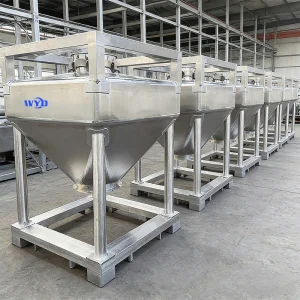
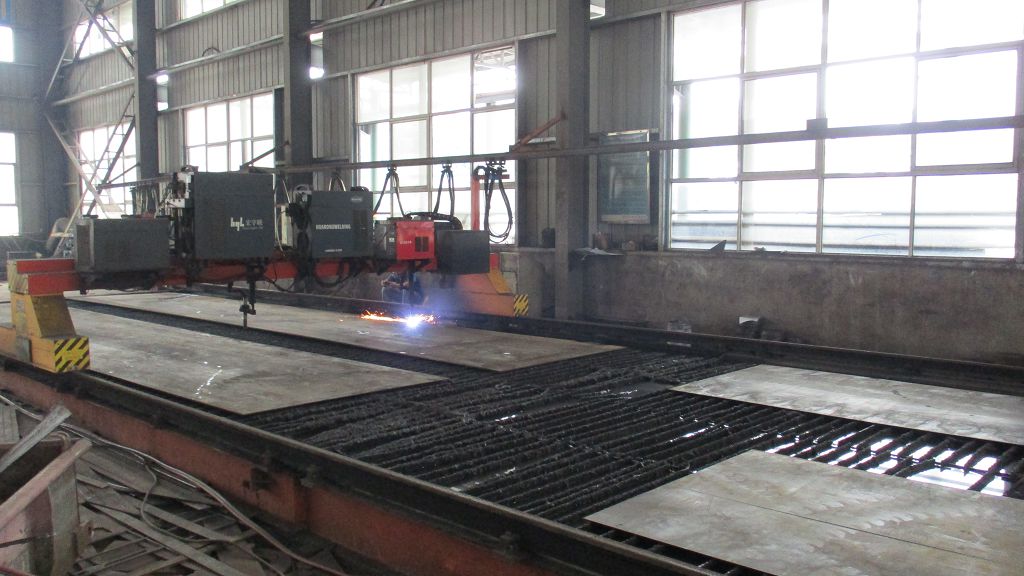
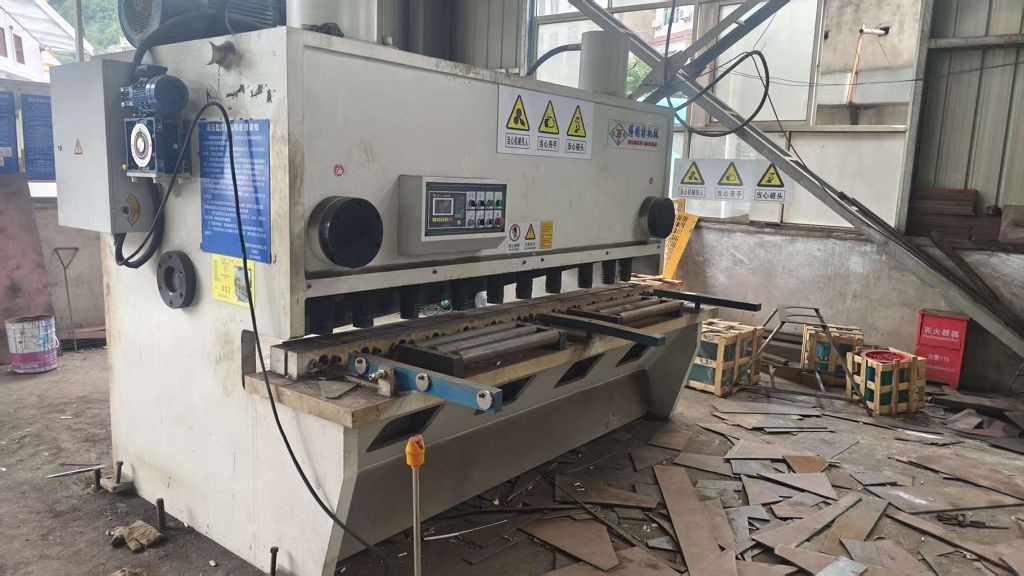
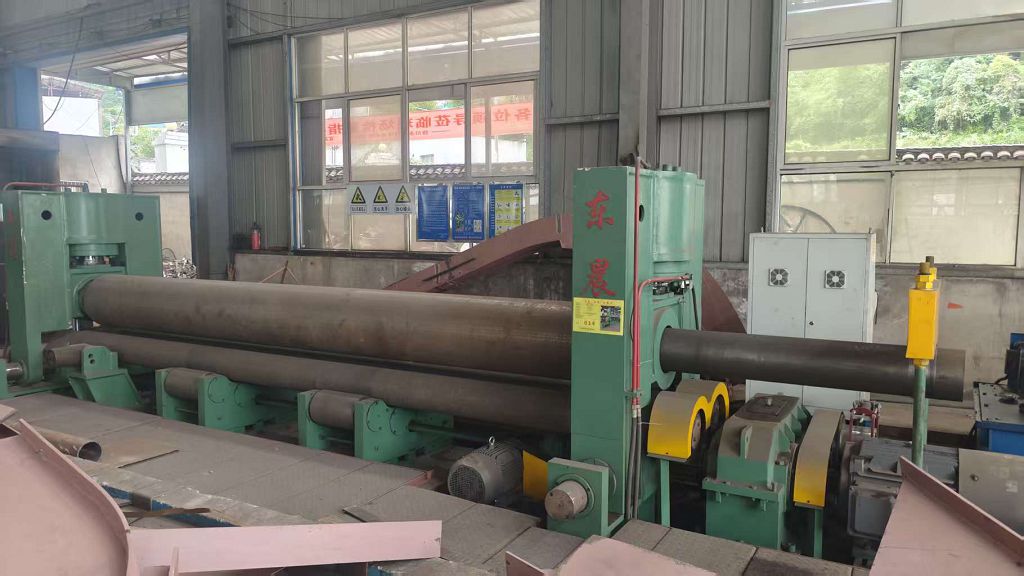
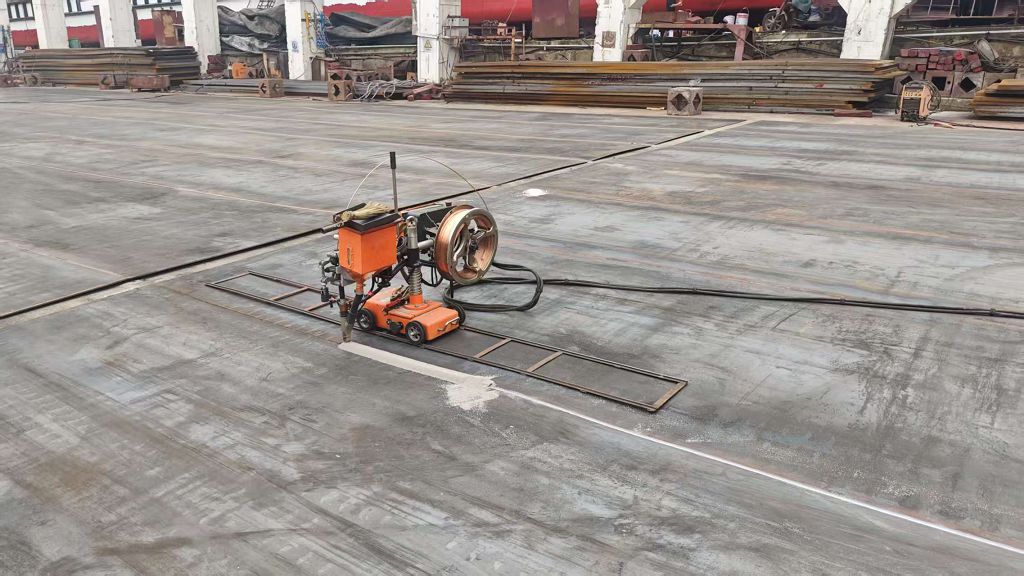
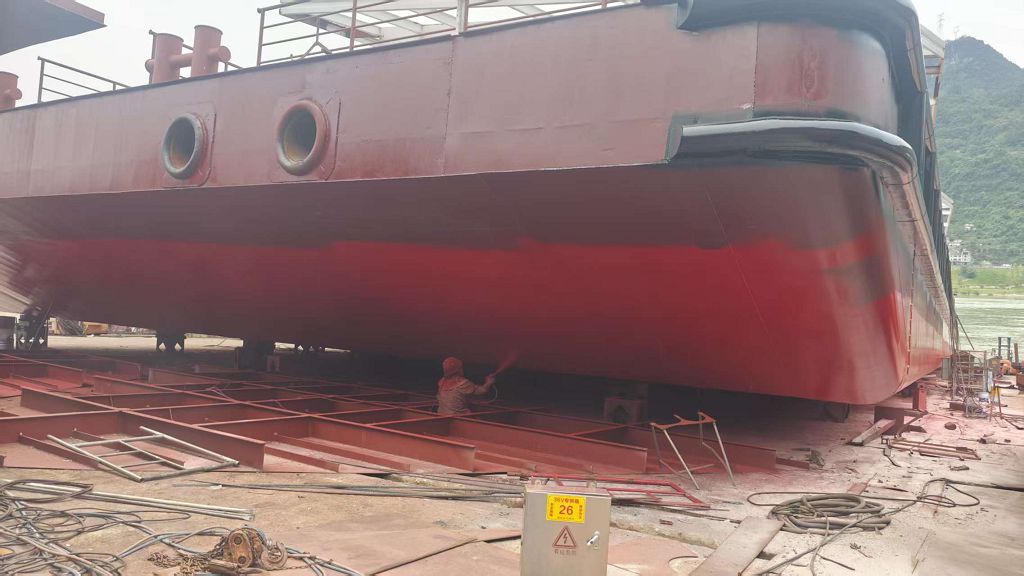
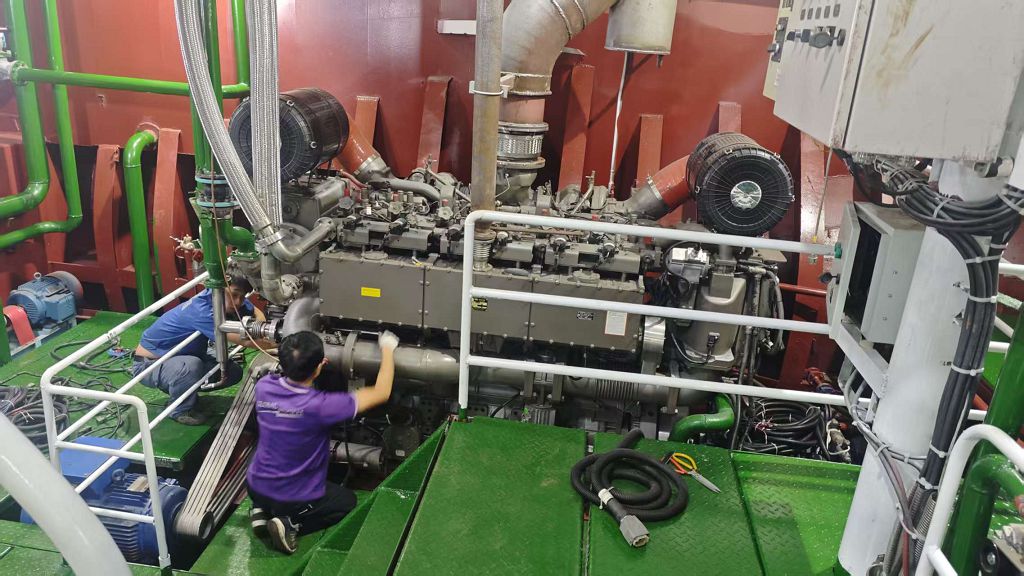
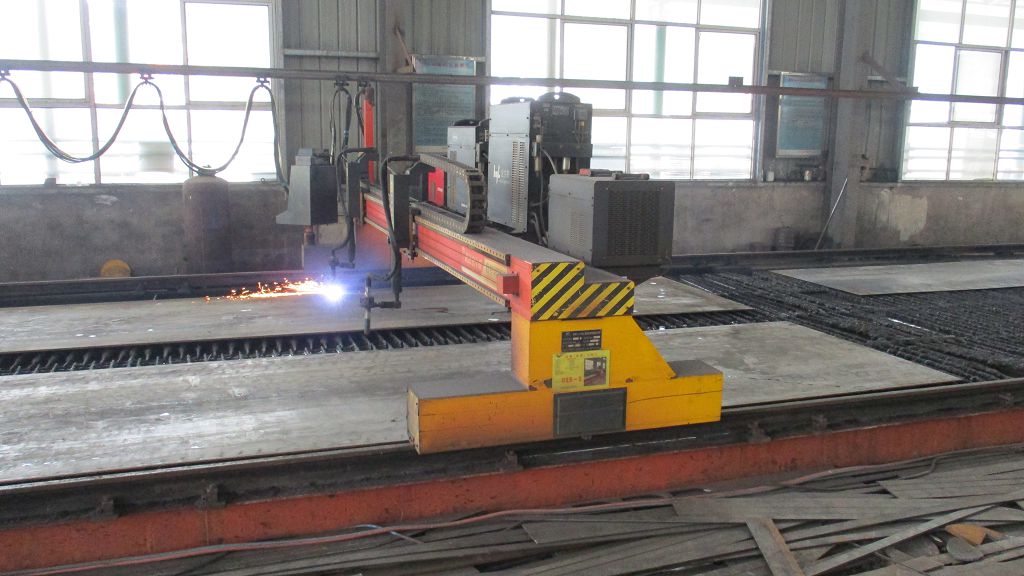
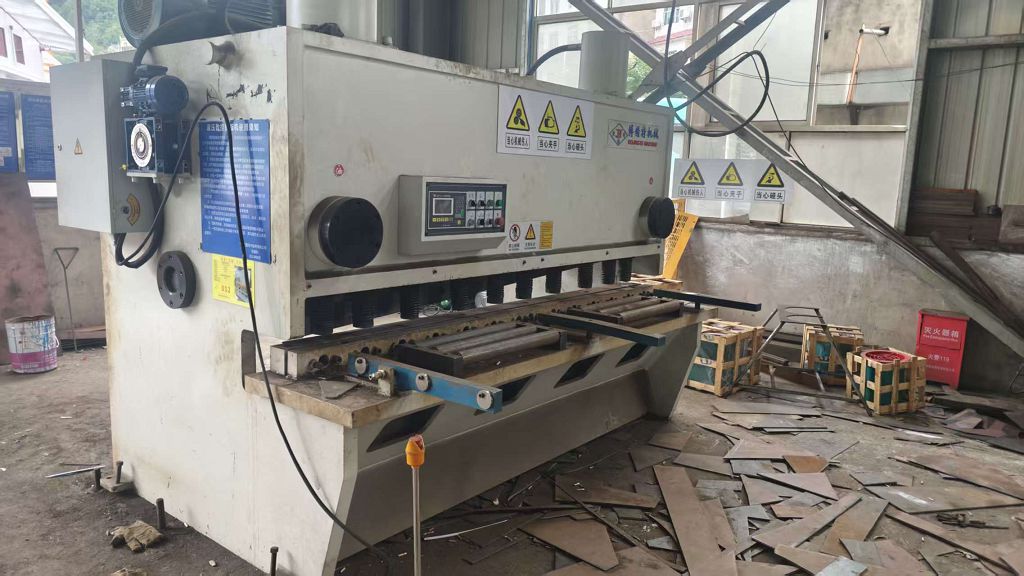
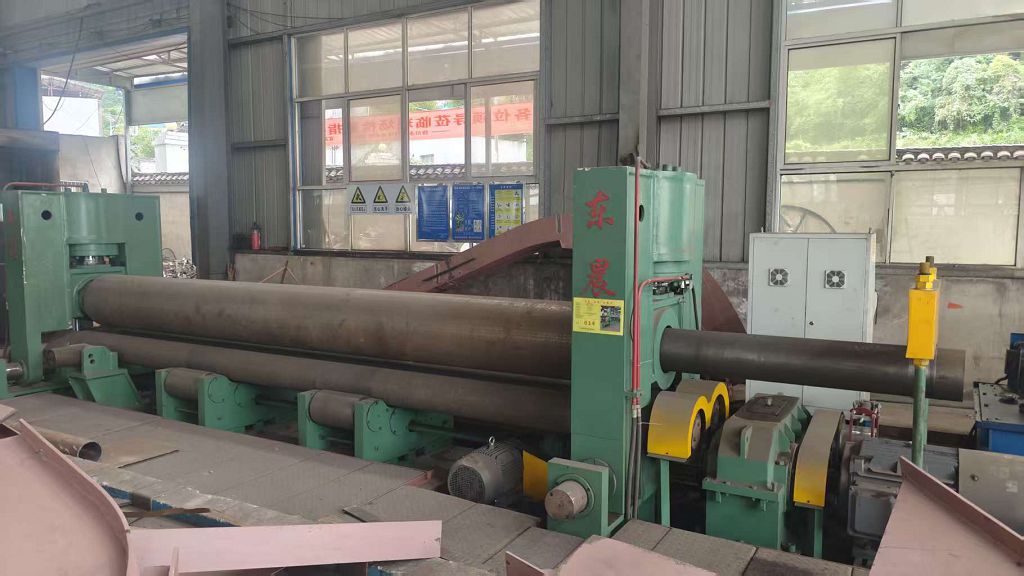
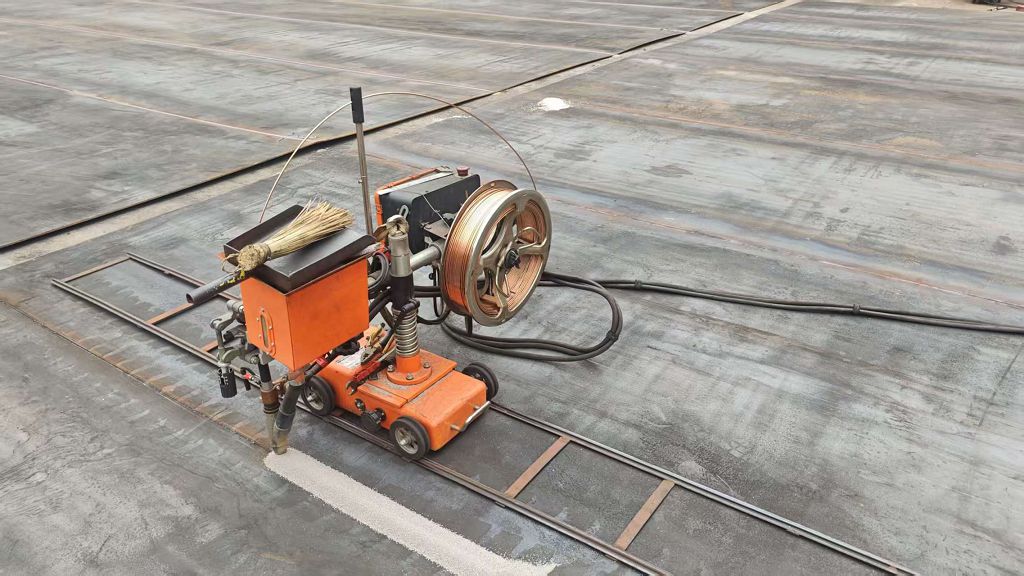
Ensuring cargo integrity through advanced industrial engineering, structural welding, and automated component fabrication.
Pioneering smart tech, decarbonization, and digital supply chains across the East African trade lanes.
Integration of cellular IoT and satellite tracking modules on premium FCL runs. Importers in Nairobi receive real-time temperature, moisture, door-open alerts, and GPS tracking indicators from port gate-out directly to final delivery at their warehouses.
Eliminating physical paper Bill of Lading handling delays. Our digital roadmap integrates electronic Bill of Lading (e-BL) protocols, streamlining ownership transfer and expediting customs processing at the Mombasa port, saving up to 5 days of port demurrage.
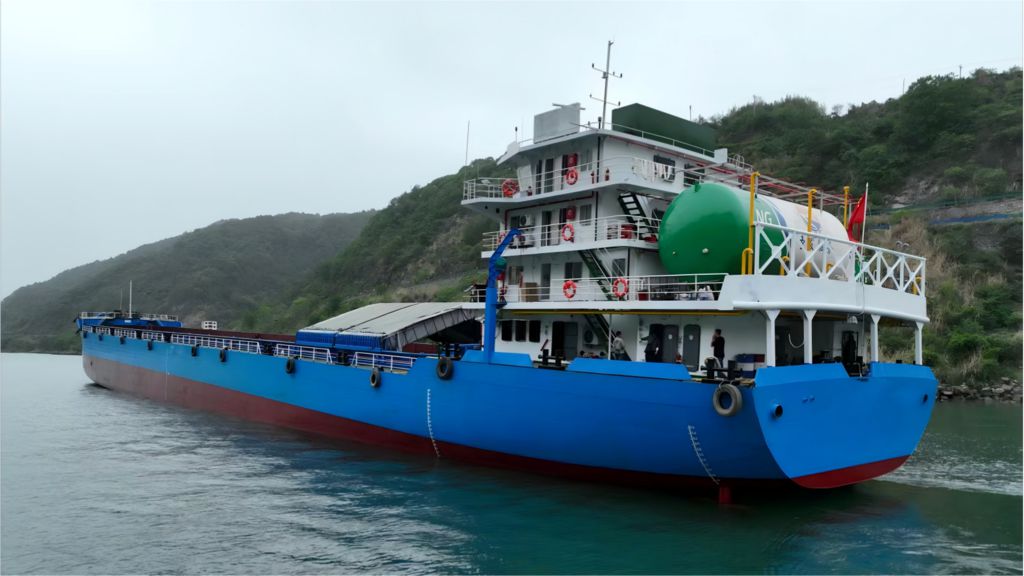
Partnering with modern ocean carriers optimizing vessel routes and adopting alternative fuels (LNG/Biofuels). For multinational organizations operating in Kenya, we provide detailed Scope 3 carbon emission calculators for every FCL container lane.
Preserving specialized options for international trade including custom DDP runs, Amazon FBA lanes, and industrial chemical storage containers.
Direct responses from our logistics specialists regarding FCL shipping, customs clearing, and port operations in Kenya.
 Leoti Logistics