Deploying high-frequency, reliable ocean freight lanes spanning key industrial gateways directly into primary Australian ports including Sydney, Melbourne, Brisbane, and Fremantle.
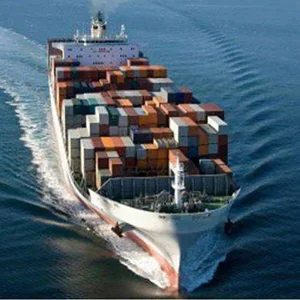
Australia’s geographic isolation and massive reliance on sea trade make maritime operations the absolute lifeblood of its national economy. Over 98% of Australia’s trade by volume is moved via ocean channels. The port-to-port logistics architecture linking international factory nodes to main entryways—specifically the East Coast hubs (Melbourne, Sydney, Brisbane) and Western Australian outports (Fremantle, Port Hedland)—demands rigorous compliance, predictable transit lines, and optimized handling configurations. As global procurement complexities escalate, understanding the localized realities of the Australian sea freight sector is crucial for supply chain continuity.
Port of Melbourne: Australia’s largest container and general cargo port, serving as the commercial gateway for Victoria, Tasmania, and parts of New South Wales.
Port Botany (Sydney): High-volume container specialist featuring computerized terminal yards and automated rail linkages to metropolitan distribution hubs.
Port of Brisbane: Positioned closer to major Asian shipping routes, utilizing advanced technology and reclaiming land to expand warehouse infrastructure.
Fremantle Port: The primary trade node for Western Australia, handling massive quantities of industrial materials, mining machinery, and agricultural inputs.
To operate efficiently within these corridors, global suppliers must navigate the distinct regional challenges: high labor costs at berths, seasonal agricultural fluctuations causing container imbalances, and strict compliance demands. The Australian market is highly sensitive to delay penalties (demurrage and detention) imposed by shipping lines. Partnering with a logistics provider capable of integrating manufacturing-level asset customizability with experienced maritime coordination is key to mitigating supply chain bottlenecks.
By merging heavy industrial logistics engineering with digital trace tracking, we bypass traditional supply chain inefficiencies. Our integrated booking network secures prioritized slots with leading ocean carriers, guaranteeing space during peak container season.
Securing port space is only half the battle. The true differentiator of an elite port-to-port ocean freight service lies in its localized compliance architecture. The Australian Department of Agriculture, Fisheries and Forestry (DAFF) enforces some of the world's most stringent biosecurity guidelines. Any biological, timber, agricultural, or machinery imports containing trace organic materials face instant quarantine, redirection, or destruction if not documented and treated properly.
From September to April, target risk shipments (including metals, heavy machinery, automotive products) arriving from BMSB-risk countries must undergo mandatory heat treatment or sulfuryl fluoride fumigation. Non-compliance results in cargo being refused discharge at Australian berths, adding severe costs and delays.
The Australian Border Force (ABF) relies on strict Integrated Cargo System (ICS) filings. All incoming ocean freight manifest details must match corresponding commercial invoices, packing lists, and certificates of origin to prevent customs holds and processing penalties.
To achieve high-efficiency customs clearances, we provide thorough documentation pre-vetting. We ensure HS codes are correctly mapped, free trade agreement (ChAFTA) declarations are formatted to unlock tariff-free pathways, and fumigation treatments are completed and certified at port of origin, eliminating post-arrival delays in Melbourne, Sydney, or Brisbane.
To safeguard fragile cargo, heavy industrial components, and high-value machinery on rolling seas, specialized structural support is mandatory. At Shenzhen Leoti Logistics, we utilize an in-house engineering and fabrication department. This allows us to construct custom structural frames, metal shipping pallets, heavy-duty crates, and customized container-lashing brackets directly in our facilities. Below is an overview of our specialized engineering capabilities, detailing the structural processes and heavy machinery utilized to manufacture customized cargo-securing systems.
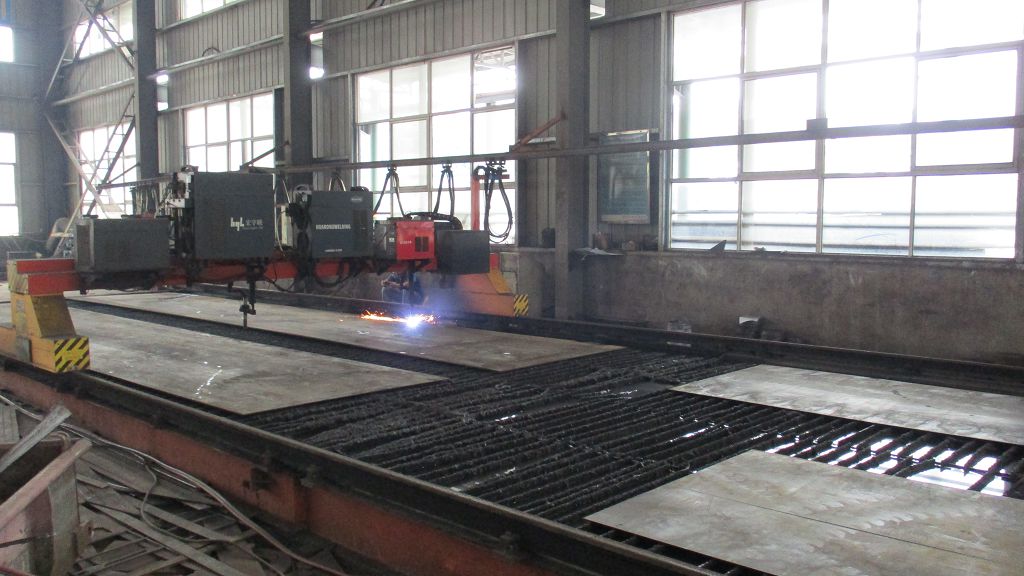
Precision laser cutting ensures high-tolerance dimensional accuracy when slicing through high-strength carbon steel structural plates.
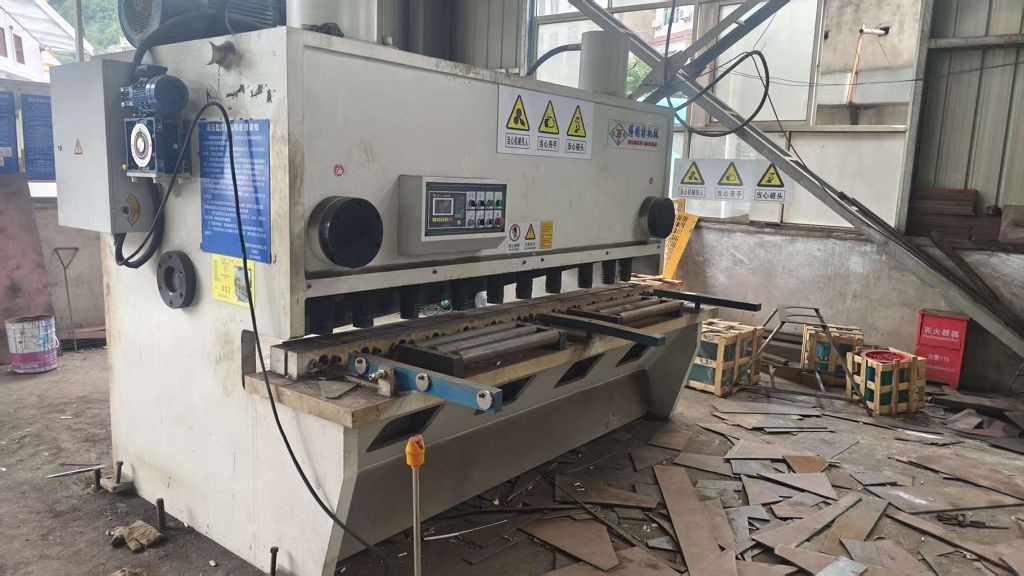
High-volume shearing processes are utilized to size primary sheets of protective sheet metal before secondary forming phases.
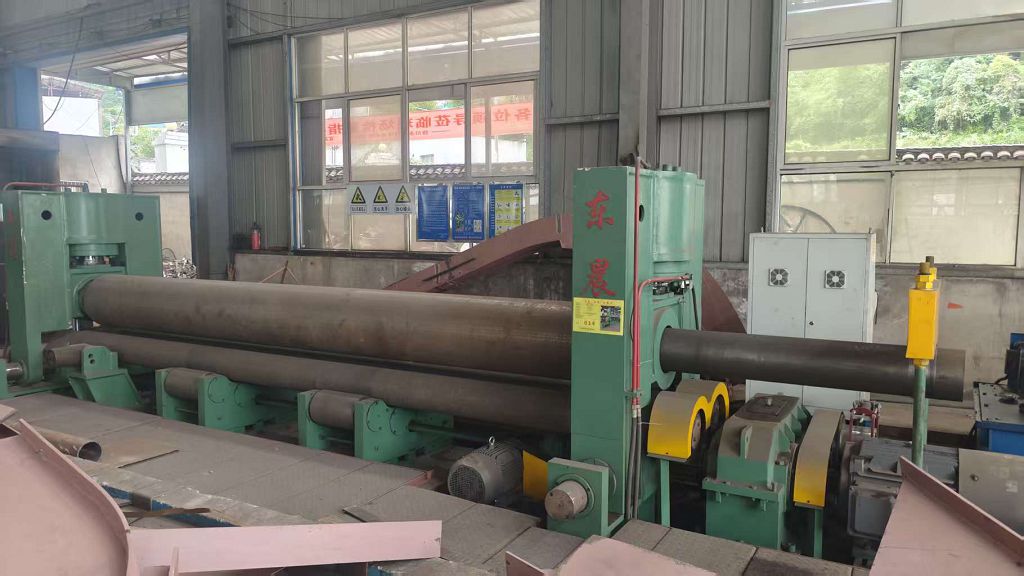
Rolling profiles into heavy metal sheets allows for custom radius bends, perfect for specialized curved cradles and drums.
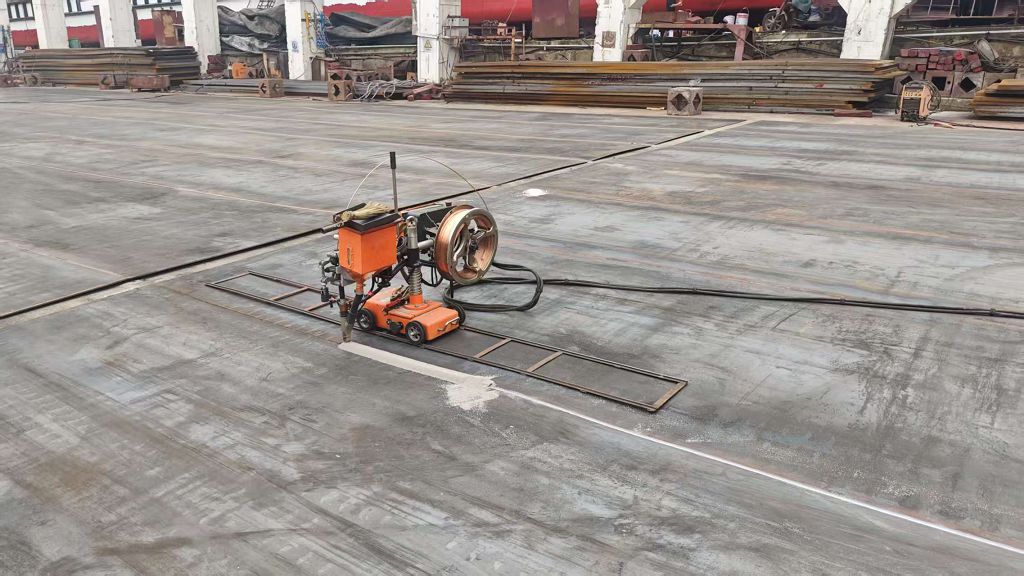
Robotic welding lines guarantee deep weld penetration, ensuring structurally solid linkages that survive extreme container vibrations.
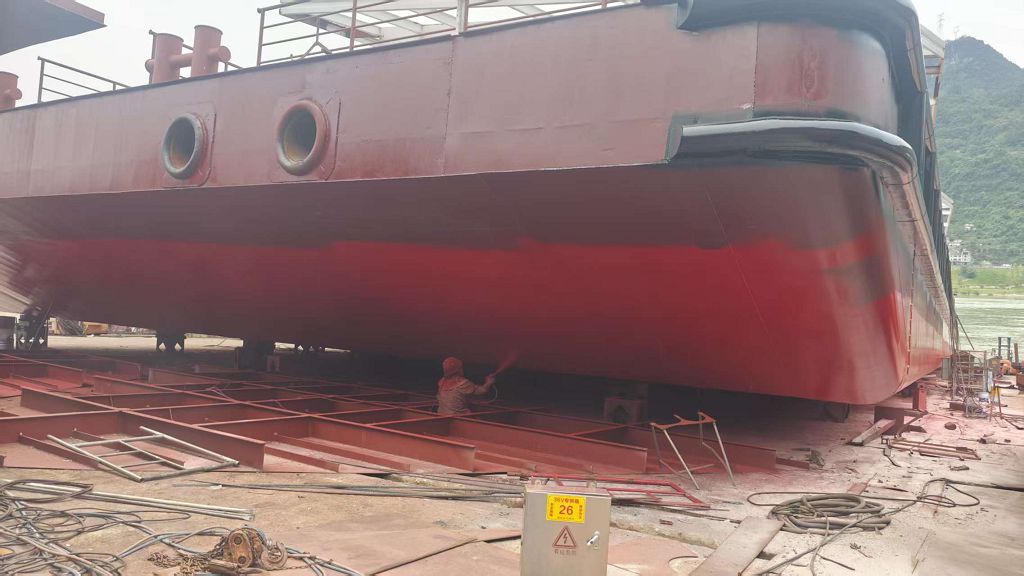
Multi-layer maritime grade paint application prevents oxidization and salt-water corrosion on metal structures during shipping.
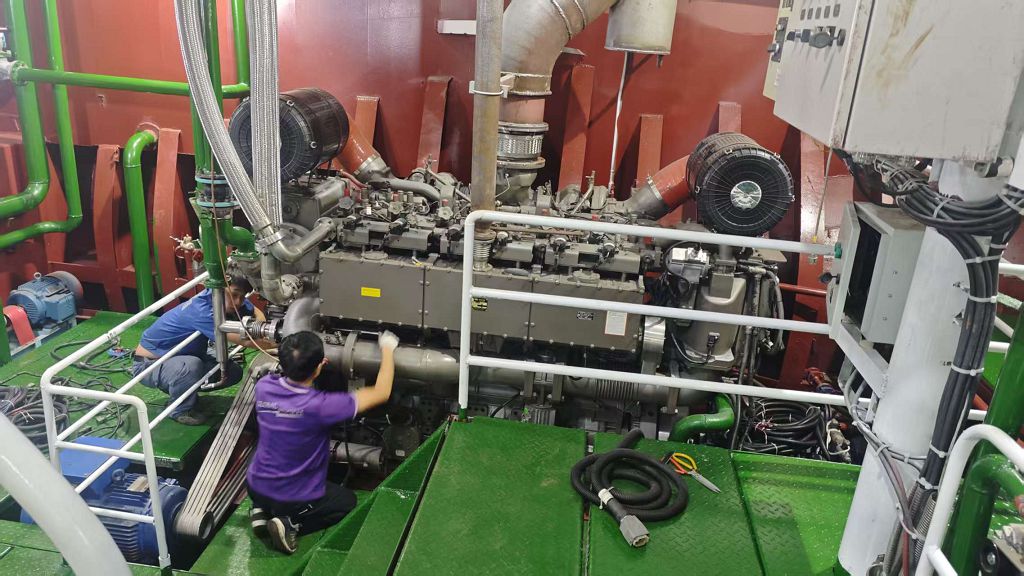
Skilled structural engineers align and assemble all metal and composite parts in sequence before load-bearing tests.
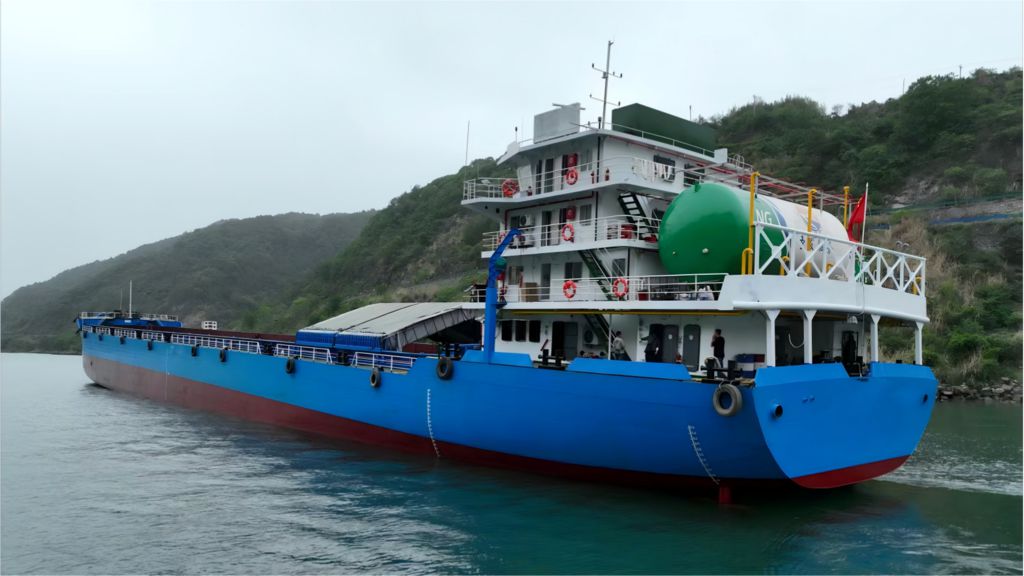
Our final heavy-duty, marine-ready shipping frames are certified to withstand mechanical stresses during long transits.
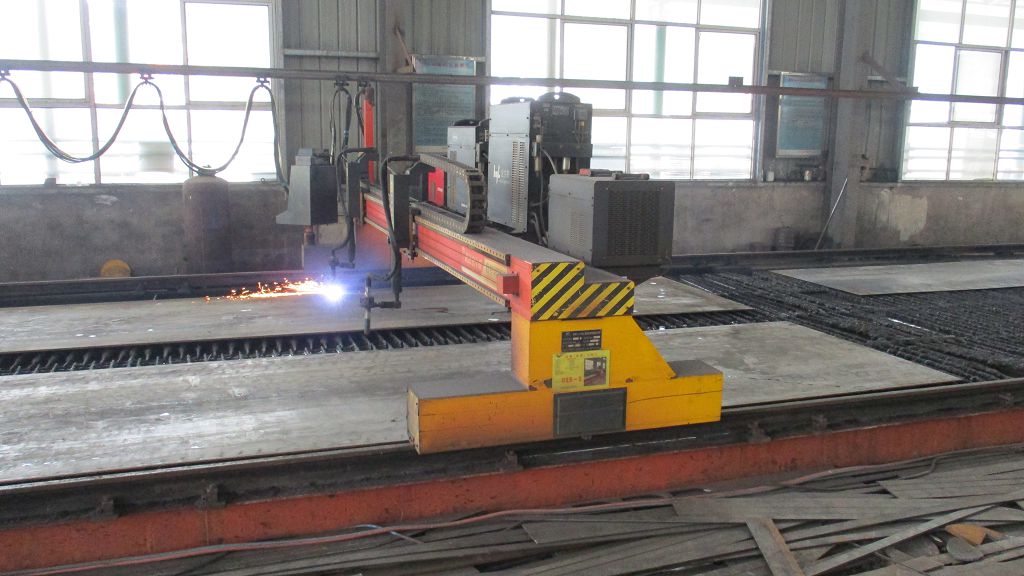
Advanced fiber optic laser units slice through complex paths in thick steel sheets with high accuracy.
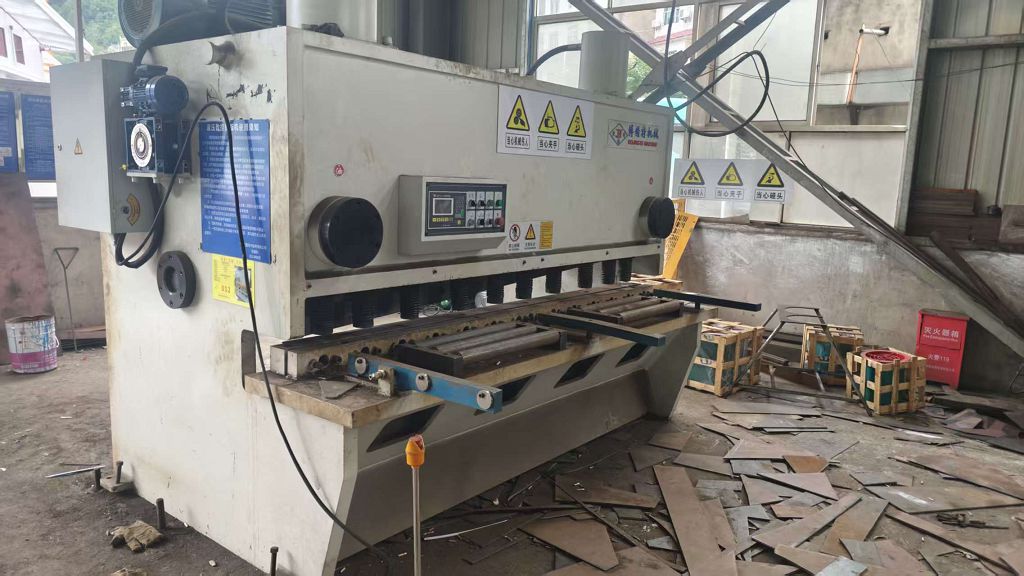
Industrial-grade guillotine shears handle rapid stock metal separation prior to component shaping.
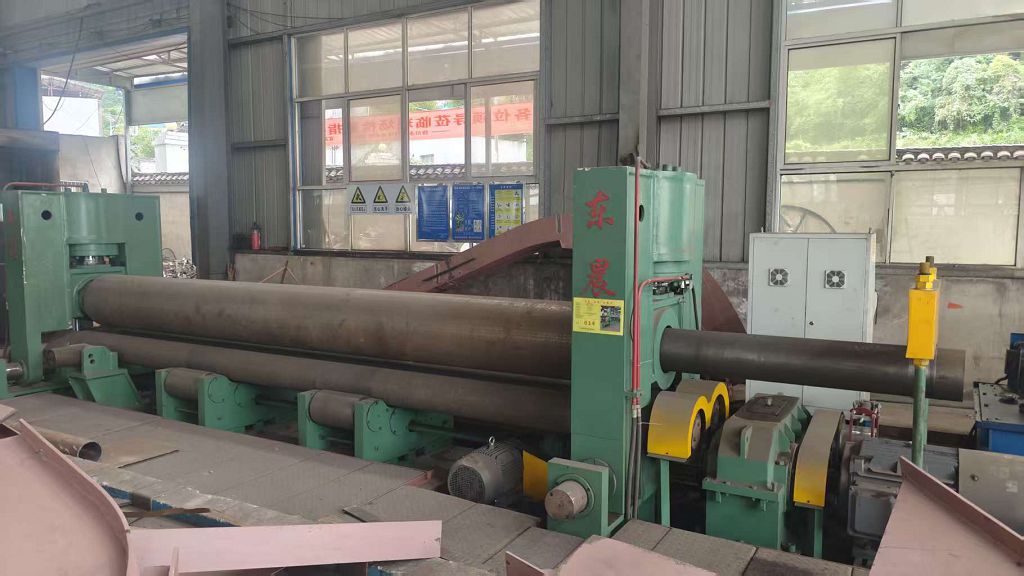
Heavily geared rollers mold profiles, plates, and angles to specific diameters for industrial applications.
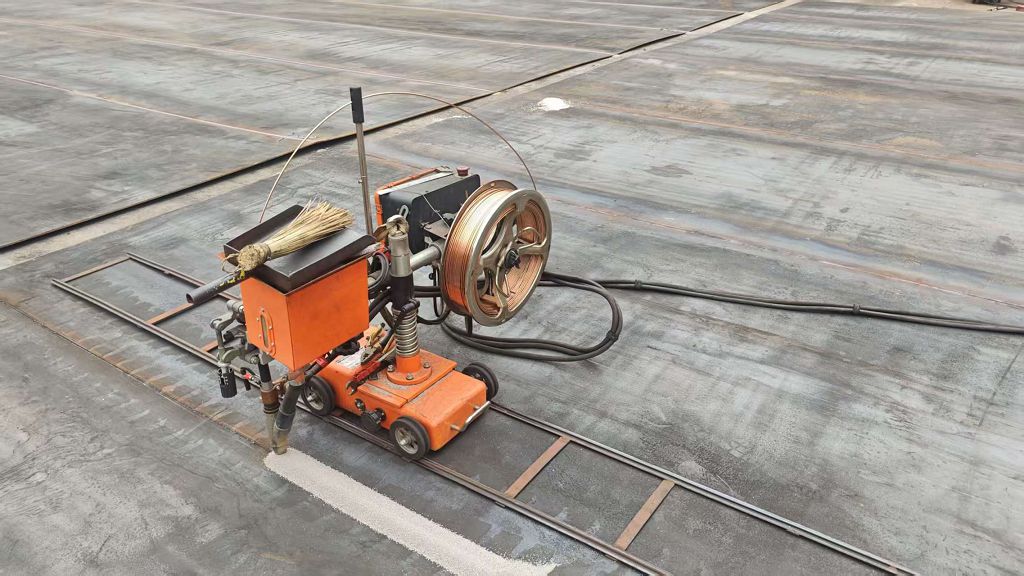
Submerged arc and gas metal arc welding equipment produces clean, high-strength structural joints.
When managing port-to-port ocean cargo, choosing between Full Container Load (FCL) and Less than Container Load (LCL) depends on volume, budget, and urgency. Our services are optimized to streamline both shipment configurations:
For shipments exceeding 15 cubic meters (CBM), FCL is typically the most efficient option. Utilizing dedicated 20ft (GP) or 40ft (GP/HC) equipment minimizes handling risks because the container is sealed from factory dispatch to port arrival. Our contracts with major carriers secure priority equipment releases, preventing delays during regional shortages.
For smaller shipments, LCL consolidates cargo from multiple shippers into a shared container. We manage cargo consolidation at our gateway warehouses in Shenzhen, Guangzhou, Shanghai, and Ningbo. By controlling the stuffing process, we prevent delays at the destination and ensure compatible cargo pairing, preventing damage from mixed loads.
Additionally, we offer specialized options including Open Top and Flat Rack configurations for Out-of-Gauge (OOG) industrial equipment. By combining custom steel structural fabrication with standard container shipping, we ensure heavy machinery remains secure throughout ocean transport, meeting all AMSA (Australian Maritime Safety Authority) requirements.
Shenzhen Leoti Logistics Co., Ltd. is a modern international logistics company dedicated to providing comprehensive and efficient global freight solutions. The company primarily specializes in import and export freight forwarding, including air freight, ocean shipping, international express delivery, rail transport, and road transportation services.
In addition to core transportation services, Leoti Logistics offers a full range of one-stop logistics solutions, such as customs clearance, warehousing, cargo consolidation, trailer transportation, and trade agency services. Our goal is to simplify global trade for our clients by providing seamless end-to-end logistics support.
As a trusted booking agent for multiple leading shipping lines and airlines, the company is able to secure competitive cargo space in major global port cities, including Shenzhen, Guangzhou, Shanghai, Ningbo, Xiamen, Qingdao, Tianjin, Dalian, Beijing, and Lianyungang. Through strong partnerships with local warehouses, trucking fleets, and customs brokers, Leoti ensures smooth and efficient operations at every major port.
Over the years, Shenzhen Leoti Logistics has actively expanded its overseas logistics network. Today, we cooperate with more than 200 global agents covering Europe, North America, South America, Africa, Oceania, Central Asia, and Southeast Asia. This extensive network allows us to provide reliable international air freight, sea freight, express delivery, customs clearance, and last-mile delivery services worldwide.
Our overseas operations team maintains 24/7 real-time communication with international partners, ensuring timely coordination and secure handling of all shipments. This continuous communication helps guarantee cargo safety, operational efficiency, and customer satisfaction.
Leoti Logistics is proud of its strong core advantages. Our experienced and highly professional logistics team is well-versed in international shipping procedures and has in-depth knowledge of customs regulations and trade policies across different countries. This expertise enables us to design precise logistics solutions, effectively reduce operational risks, and optimize costs for our clients.
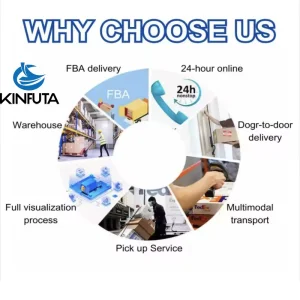
Supported by an advanced logistics information system, we provide real-time tracking throughout the entire transportation process. Customers can monitor their shipments at any time with full transparency and confidence.
At Shenzhen Leoti Logistics, we always adhere to a customer-first service philosophy. From order placement to final delivery, we offer personalized, one-on-one service to ensure that every client’s needs are responded to quickly and handled professionally.
Looking ahead, Shenzhen Leoti Logistics Co., Ltd. will continue to expand its global presence, enhance service quality, and strengthen its integrated logistics capabilities. Our vision is to become a leading international logistics enterprise and contribute to the growth and efficiency of global trade.
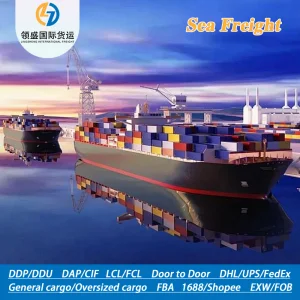
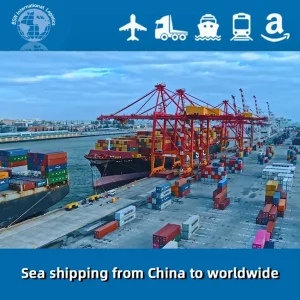
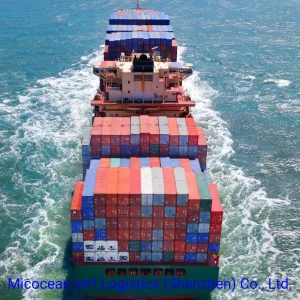
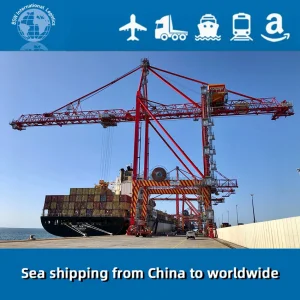
Explore our primary oceanic shipping routes, connecting manufacturing hubs directly to international ports with optimized rates and customs assistance.
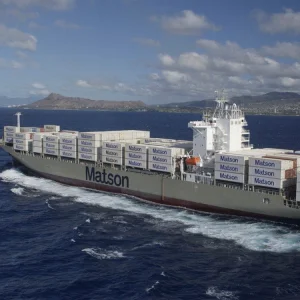

Modern supply chain strategies prioritize transparency and sustainability. As ocean freight lanes digitalize, traditional spreadsheets are being replaced by automated visibility platforms. We address these needs through two key initiatives:
Using AIS vessel transponder signals and GPS-enabled container monitors, our tracking platform gives clients real-time visibility over their freight. This provides automatic updates on departure times, mid-transit coordinates, and ETA adjustments at Australian terminals, helping ground transport fleets coordinate last-mile deliveries efficiently.
Aligned with the International Maritime Organization’s (IMO) carbon reduction standards, we work with carriers using dual-fuel (LNG/Methanol) ships. This helps clients reduce Scope 3 emissions, which is increasingly important for ESG-compliant Australian businesses reporting carbon footprints.
This combined approach ensures cargo is handled efficiently while supporting global environmental goals. Moving forward, we continue to implement digital tracking tools to streamline documentation, customs clearance, and scheduling across all trade corridors.
Get in touch with our cargo experts to secure competitive space allocation, receive tailored transit plans, and ensure complete biosecurity compliance for the Australian market.
Get Container Pricing Details Leoti Logistics