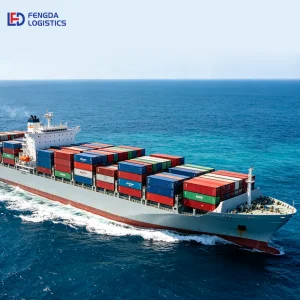
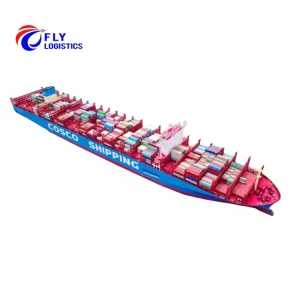
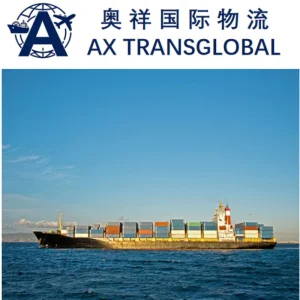
In an era marked by rapid supply chain shifts and shifting trade dynamics, multinational corporations demand unprecedented agility. The bulk ocean freight market remains the lifeblood of primary industries, raw manufacturing, and global heavy infrastructure.
Global manufacturers and infrastructure developers depend on seamless ocean cargo networks to import bulk minerals, unprocessed metals, and industrial products. Sourcing directly from reputable China bulk ocean freight factories and exporters minimizes intermediaries, stabilizing primary feedstock prices during market volatility.
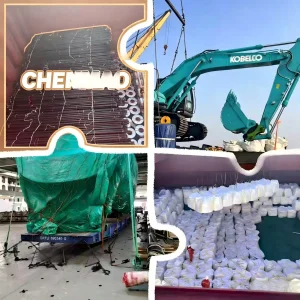
The transport of oversized industrial equipment, wind turbines, mining gear, and structural steel requires highly specialized heavy-lift vessels and roll-on/roll-off (RoRo) services. Moving these massive items demands custom engineering plans, strict terminal safety guidelines, and direct oversight at every transfer point.
With cross-border e-commerce growing rapidly, major importers rely on large-scale FCL (Full Container Load) and customized LCL (Less than Container Load) networks. This ensures continuous inventory flow to international distribution centers, mitigating the high costs associated with emergency air transport.
Operating in the international maritime domain requires navigating volatile fuel costs, changing emissions regulations, port congestion, and intricate customs frameworks.
A major bottleneck in dry bulk and project cargo transportation is matching tight production schedules with vessel arrival windows, known as Laycan periods. Delays can lead to costly demurrage penalties. Shenzhen Leoti Logistics mitigates this by maintaining close partnerships with primary shipping lines and operating regional consolidation warehouses near key ports like Shenzhen, Shanghai, Ningbo, and Tianjin.
By coordinating inland transport, storage, and custom packaging, we reduce container dwell time and streamline handling operations. This ensures that cargo moves efficiently through the terminal to the vessel, minimizing transit delays and unnecessary fees.
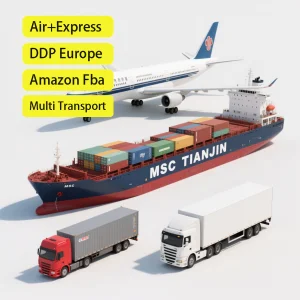
For complex shipments to landlocked regions or developing infrastructure sites, relying on ocean shipping alone is rarely sufficient. A unified transport approach—combining sea freight, rail freight, and inland trucking—is essential to maintain reliability. Using DDP (Delivered Duty Paid) frameworks simplifies customs and taxation, enabling hassle-free deliveries to destinations across Europe, North America, Southeast Asia, and Africa.
Shenzhen Leoti Logistics Co., Ltd. is a modern international logistics company dedicated to providing comprehensive and efficient global freight solutions. The company primarily specializes in import and export freight forwarding, including air freight, ocean shipping, international express delivery, rail transport, and road transportation services.
In addition to core transportation services, Leoti Logistics offers a full range of one-stop logistics solutions, such as customs clearance, warehousing, cargo consolidation, trailer transportation, and trade agency services. Our goal is to simplify global trade for our clients by providing seamless end-to-end logistics support.
As a trusted booking agent for multiple leading shipping lines and airlines, the company is able to secure competitive cargo space in major global port cities, including Shenzhen, Guangzhou, Shanghai, Ningbo, Xiamen, Qingdao, Tianjin, Dalian, Beijing, and Lianyungang. Through strong partnerships with local warehouses, trucking fleets, and customs brokers, Leoti ensures smooth and efficient operations at every major port.
Over the years, Shenzhen Leoti Logistics has actively expanded its overseas logistics network. Today, we cooperate with more than 200 global agents covering Europe, North America, South America, Africa, Oceania, Central Asia, and Southeast Asia. This extensive network allows us to provide reliable international air freight, sea freight, express delivery, customs clearance, and last-mile delivery services worldwide.
Our overseas operations team maintains 24/7 real-time communication with international partners, ensuring timely coordination and secure handling of all shipments. This continuous communication helps guarantee cargo safety, operational efficiency, and customer satisfaction.
Leoti Logistics is proud of its strong core advantages. Our experienced and highly professional logistics team is well-versed in international shipping procedures and has in-depth knowledge of customs regulations and trade policies across different countries. This expertise enables us to design precise logistics solutions, effectively reduce operational risks, and optimize costs for our clients.
Supported by an advanced logistics information system, we provide real-time tracking throughout the entire transportation process. Customers can monitor their shipments at any time with full transparency and confidence.
At Shenzhen Leoti Logistics, we always adhere to a customer-first service philosophy. From order placement to final delivery, we offer personalized, one-on-one service to ensure that every client’s needs are responded to quickly and handled professionally.
Looking ahead, Shenzhen Leoti Logistics Co., Ltd. will continue to expand its global presence, enhance service quality, and strengthen its integrated logistics capabilities. Our vision is to become a leading international logistics enterprise and contribute to the growth and efficiency of global trade.
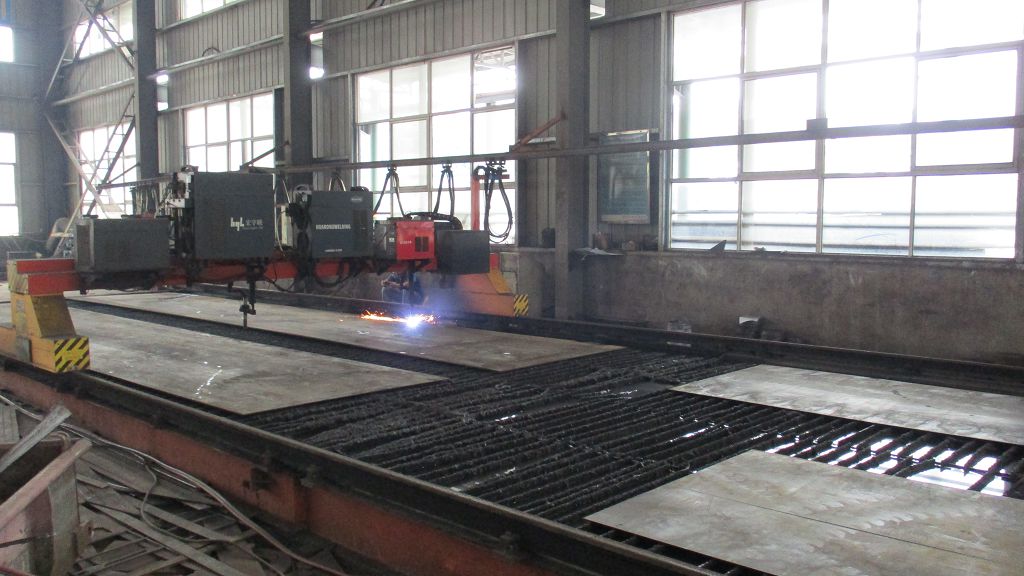
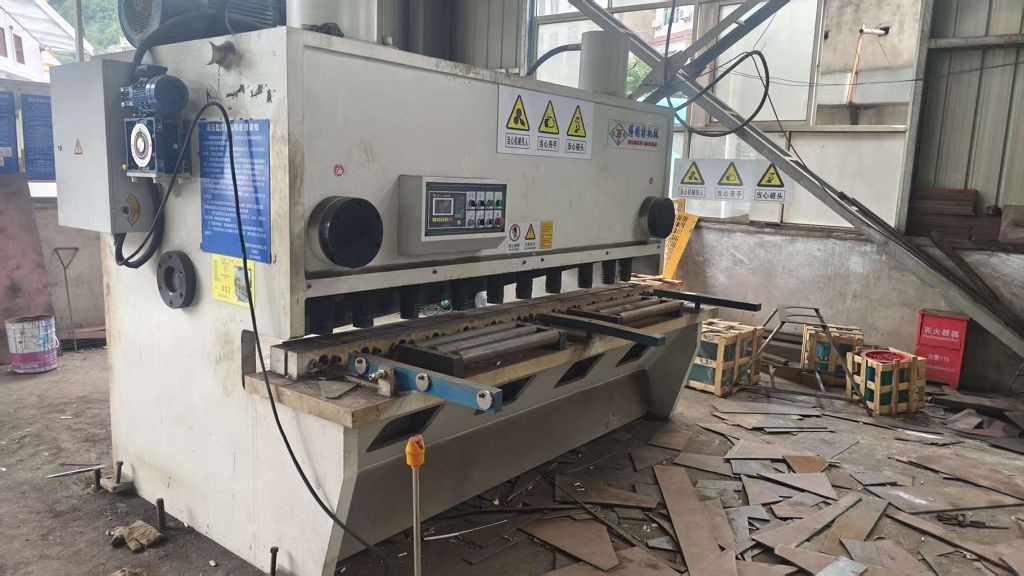
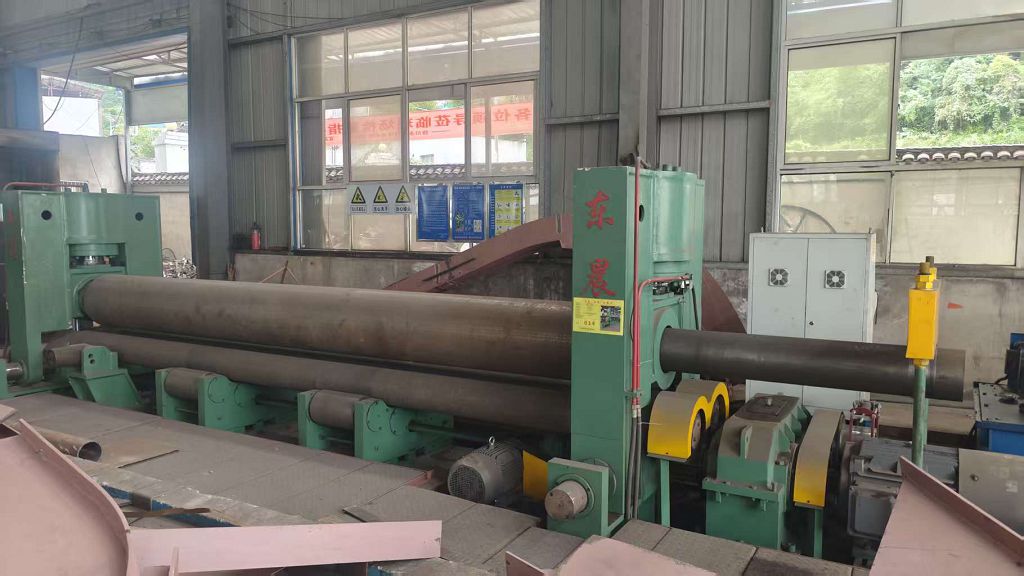
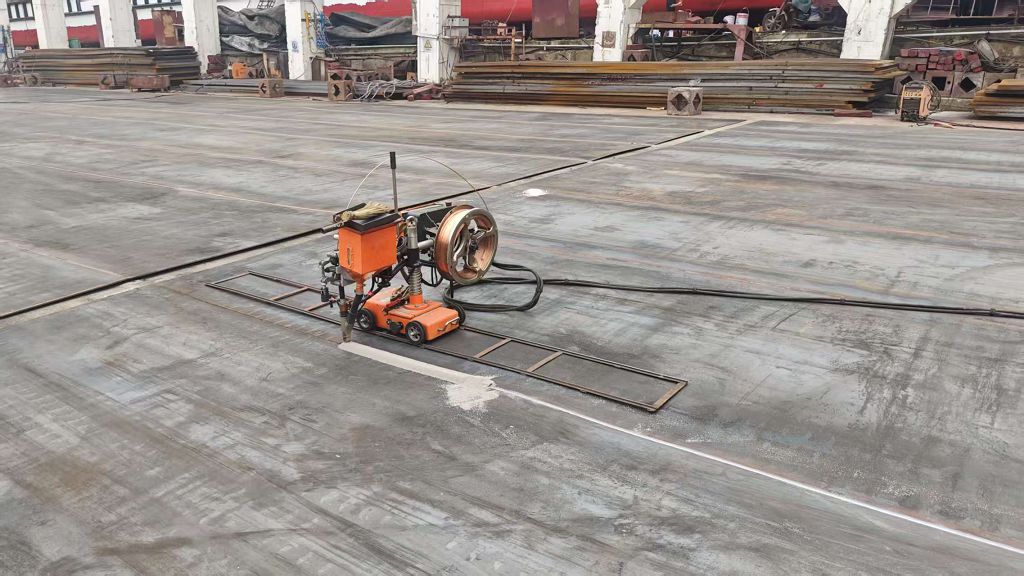
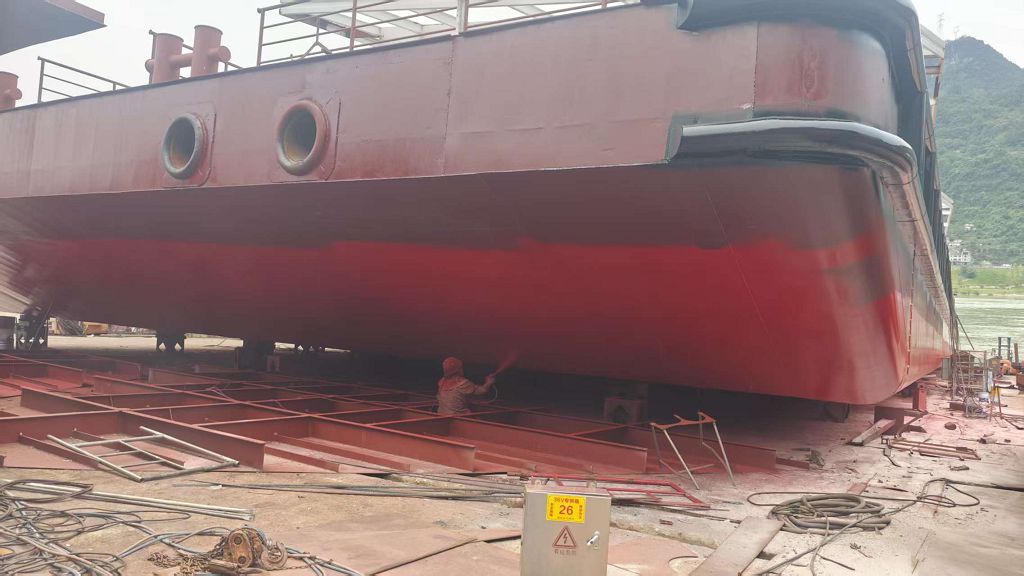
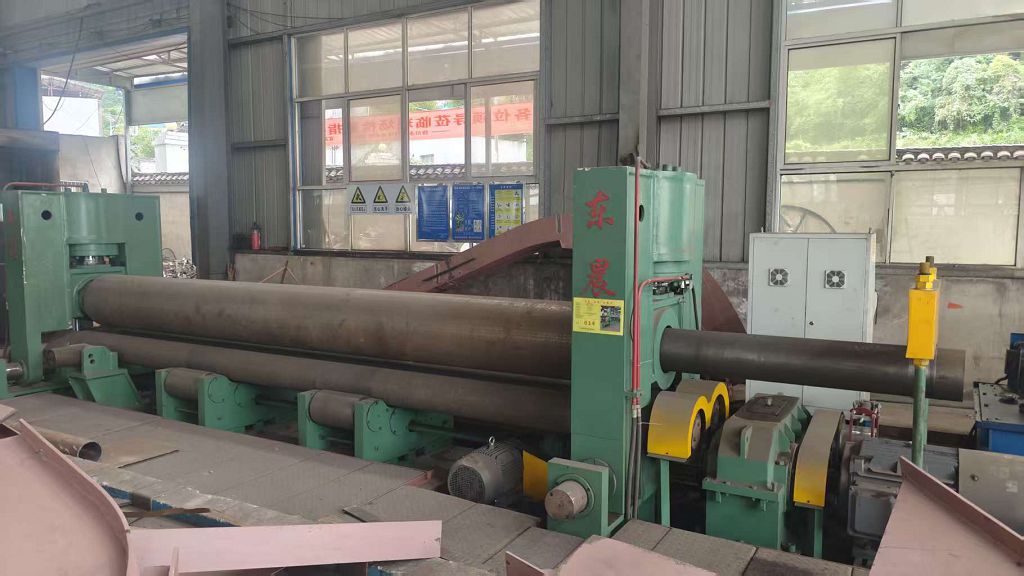
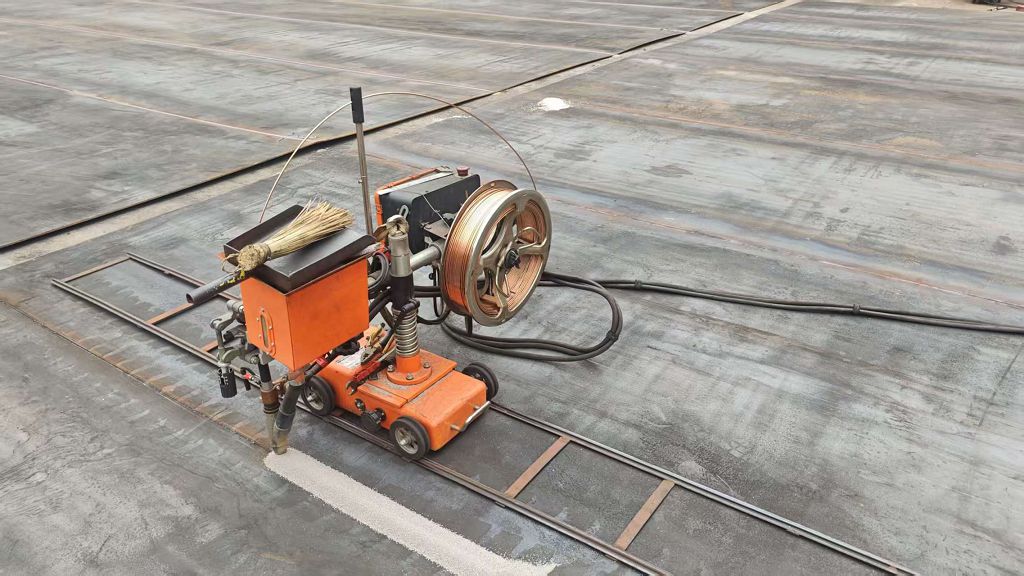
Ensuring cargo integrity over long sea transits begins at the preparation and fabrication stage. Proper structural reinforcement, surface treatments, and seaworthy packing are vital to prevent damage from dynamic ocean motion and humid, salty marine environments.
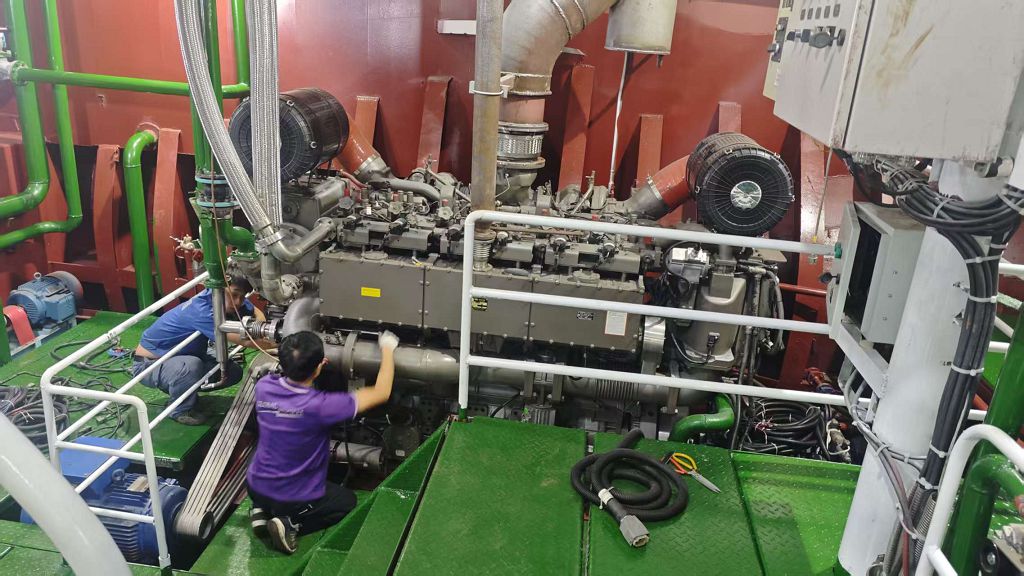
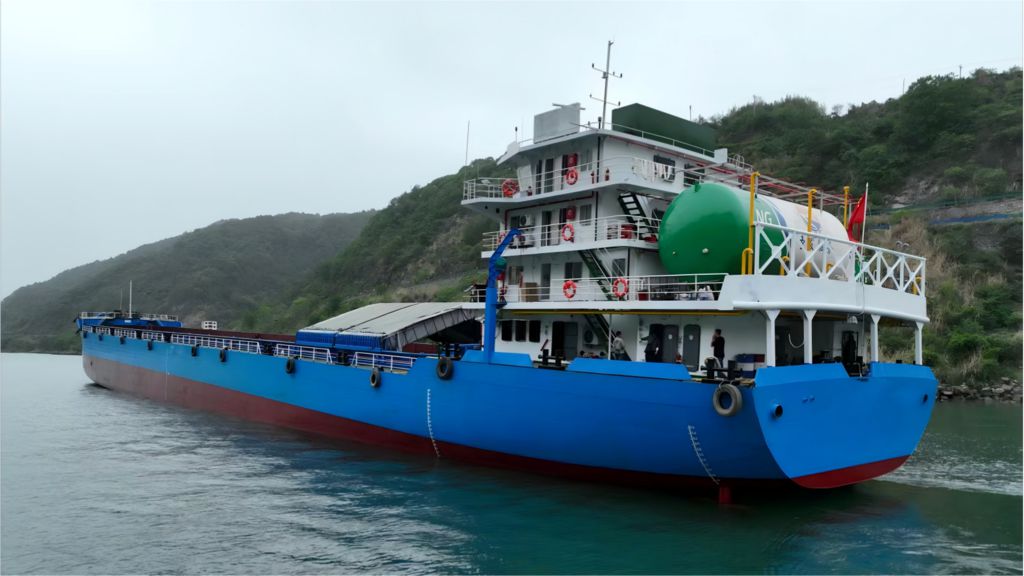
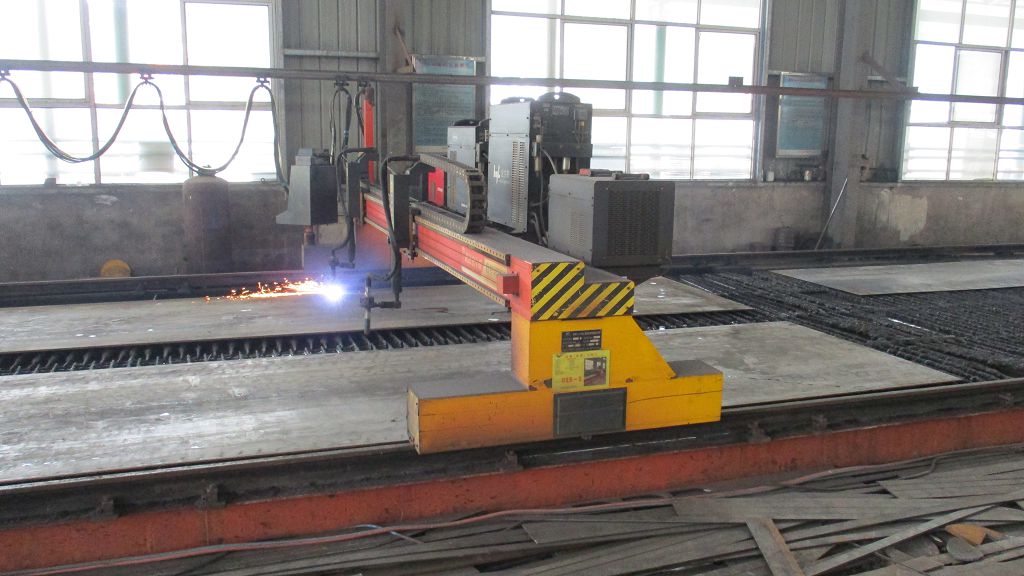
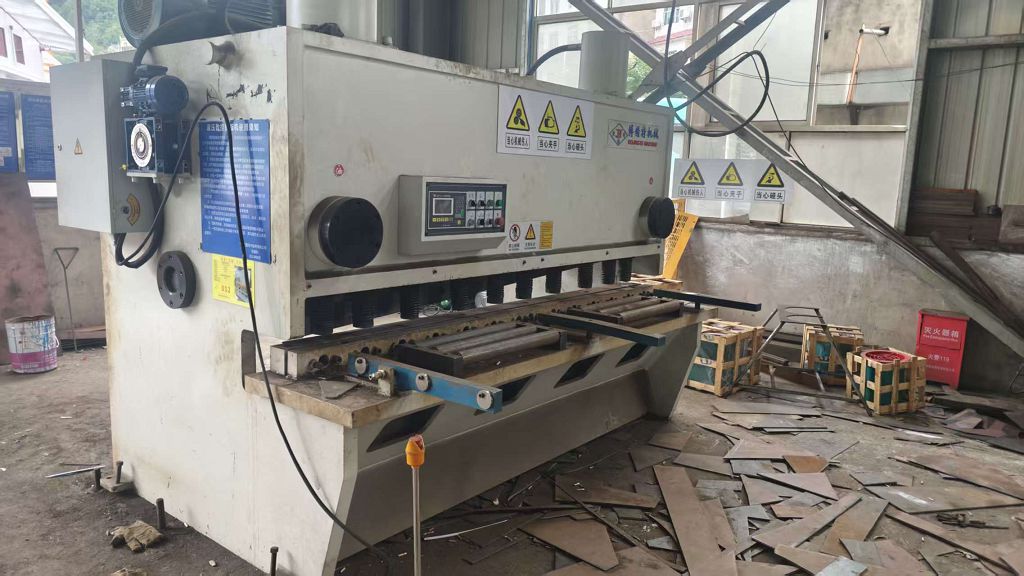
Maritime logistics is undergoing a significant transformation driven by digitization, stricter emissions regulations, and the integration of artificial intelligence.
Adhering to IMO 2030 and IMO 2050 decarbonization mandates requires modern ocean freight providers to optimize ship routes and transition to alternative marine fuels. Sustainable shipping practices are quickly becoming standard criteria in global enterprise procurement evaluations.
AI-driven route planning models analyze meteorological patterns, port congestion indexes, and fuel consumption profiles in real time. This proactive data processing helps minimize transit disruptions and provides shippers with highly accurate ETA forecasts.
Ensuring compliance with international customs regulations, tax structures, and security standards is essential for preventing costly border delays.
Get professional insights into bulk freight forwarding, customs clearance, and global ocean cargo management.
 Leoti Logistics