Immediate access to cost-efficient routing networks, dedicated charters, and multimodal transit corridors optimized directly from main Chinese hub ports.

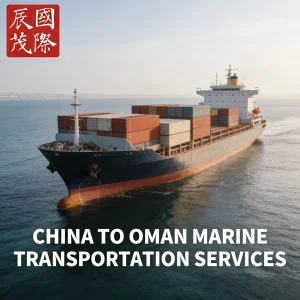
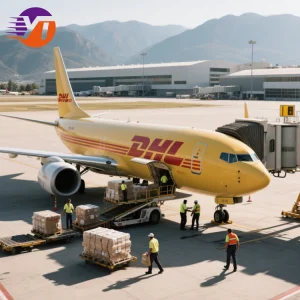
The contemporary global industrial supply chain is operating in an environment of unprecedented volatility. Navigating trade lanes between manufacturing hubs like China and target consumer markets in Europe, the Americas, and the Middle East requires more than transactional freight forwarding. It demands a holistic, system-engineered strategy. Geopolitical adjustments, structural shifts in carrier alliances, carbon tax mandates (such as the EU's Emissions Trading System), and fuel cost instability are actively eroding traditional profit margins.
For large-scale manufacturers and global engineering firms, logistics is no longer treated as a simple back-end expense. It is a vital strategic leverage point. Inefficient packaging configuration, sub-optimal container stuffing, lack of real-time multi-modal logistics coordination, and incorrect Incoterms selection directly inflate total land cost by up to 25% to 35%. Industrial factories must implement proactive, factory-integrated routing and packaging engineering methods to maintain an competitive distribution model.
Standard manufacturing-to-delivery workflows show that hidden line items account for massive waste:
Industry-proven transitions that are reshaping transport networks from China outward to global hubs.
Relying purely on single-mode air or ocean freight is high risk. The trend relies heavily on seamless combinations of Rail-Sea, Sea-Air, and DDP truck freight to bypass seasonal choke points.
With global enforcement of ESG compliance, selecting energy-efficient routes and maximizing space to reduce the total carbon footprint is crucial to bypassing tariffs.
Leveraging buffer consolidation centers near large factories allows manufacturers to strategically pool LCL orders into FCL shipments, yielding immediate savings.
Shenzhen Leoti Logistics Co., Ltd. is a modern international logistics company dedicated to providing comprehensive and efficient global freight solutions. The company primarily specializes in import and export freight forwarding, including air freight, ocean shipping, international express delivery, rail transport, and road transportation services.
In addition to core transportation services, Leoti Logistics offers a full range of one-stop logistics solutions, such as customs clearance, warehousing, cargo consolidation, trailer transportation, and trade agency services. Our goal is to simplify global trade for our clients by providing seamless end-to-end logistics support.
As a trusted booking agent for multiple leading shipping lines and airlines, the company is able to secure competitive cargo space in major global port cities, including Shenzhen, Guangzhou, Shanghai, Ningbo, Xiamen, Qingdao, Tianjin, Dalian, Beijing, and Lianyungang. Through strong partnerships with local warehouses, trucking fleets, and customs brokers, Leoti ensures smooth and efficient operations at every major port.
Over the years, Shenzhen Leoti Logistics has actively expanded its overseas logistics network. Today, we cooperate with more than 200 global agents covering Europe, North America, South America, Africa, Oceania, Central Asia, and Southeast Asia. This extensive network allows us to provide reliable international air freight, sea freight, express delivery, customs clearance, and last-mile delivery services worldwide.
Our overseas operations team maintains 24/7 real-time communication with international partners, ensuring timely coordination and secure handling of all shipments. This continuous communication helps guarantee cargo safety, operational efficiency, and customer satisfaction.
Leoti Logistics is proud of its strong core advantages. Our experienced and highly professional logistics team is well-versed in international shipping procedures and has in-depth knowledge of customs regulations and trade policies across different countries. This expertise enables us to design precise logistics solutions, effectively reduce operational risks, and optimize costs for our clients. Supported by an advanced logistics information system, we provide real-time tracking throughout the entire transportation process. Customers can monitor their shipments at any time with full transparency and confidence.
At Shenzhen Leoti Logistics, we always adhere to a customer-first service philosophy. From order placement to final delivery, we offer personalized, one-on-one service to ensure that every client’s needs are responded to quickly and handled professionally. Looking ahead, Shenzhen Leoti Logistics Co., Ltd. will continue to expand its global presence, enhance service quality, and strengthen its integrated logistics capabilities. Our vision is to become a leading international logistics enterprise and contribute to the growth and efficiency of global trade.
A major source of information gain in freight reduction is structural pre-processing. By executing laser cutting, precise bending, shearing, rolling, and automated welding at the factory level, we streamline product geometry to save container volume.
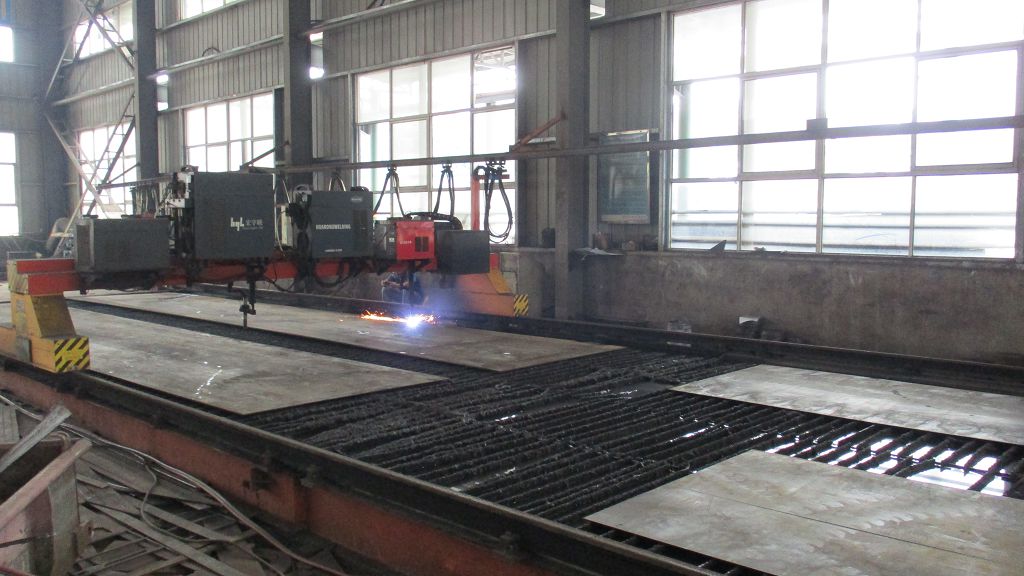
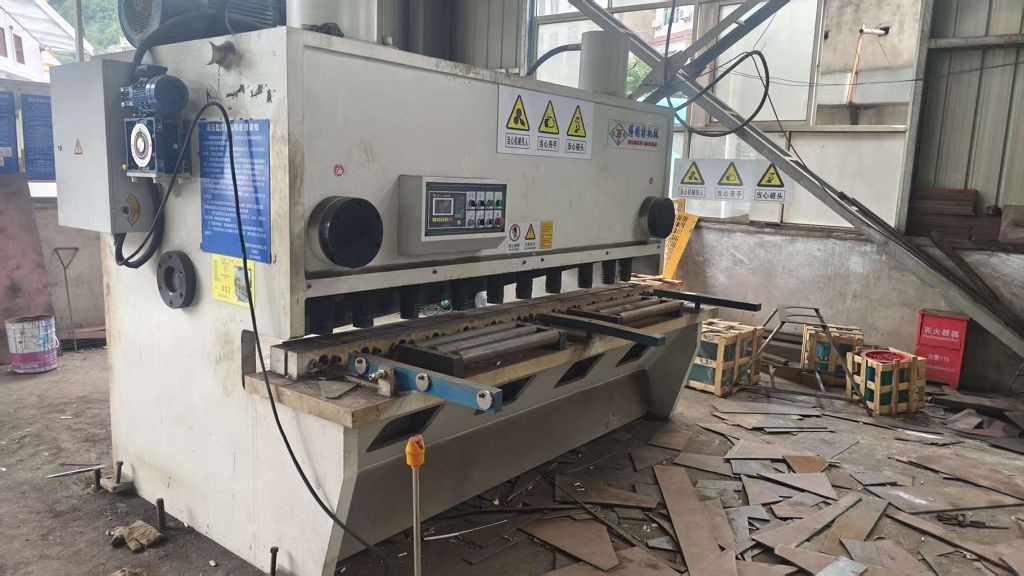
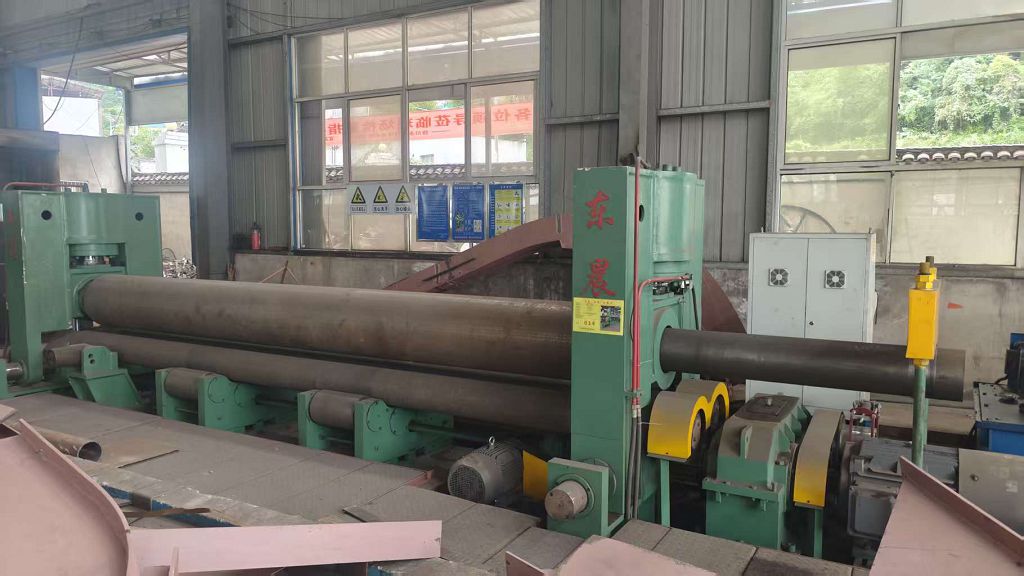
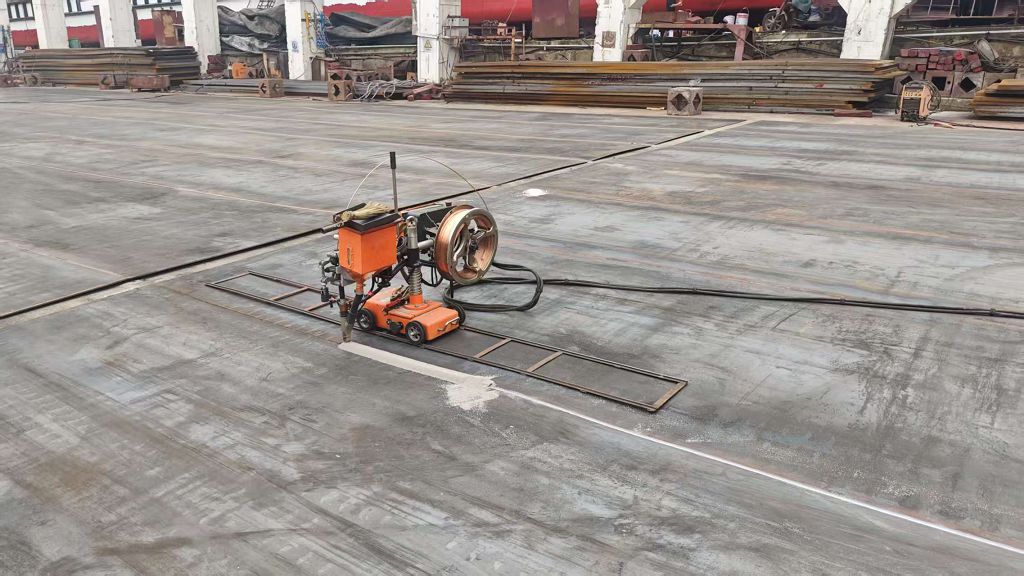
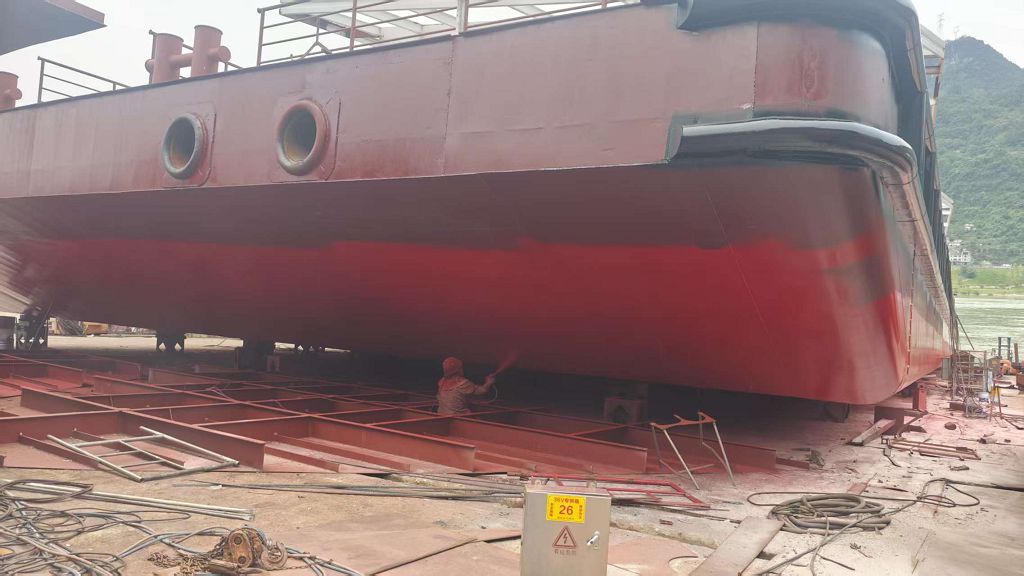
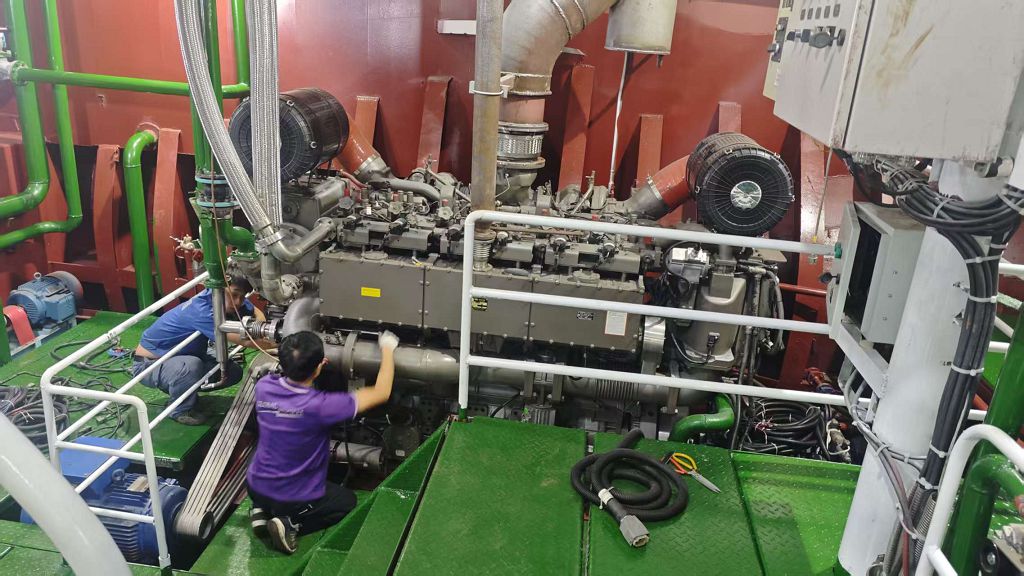
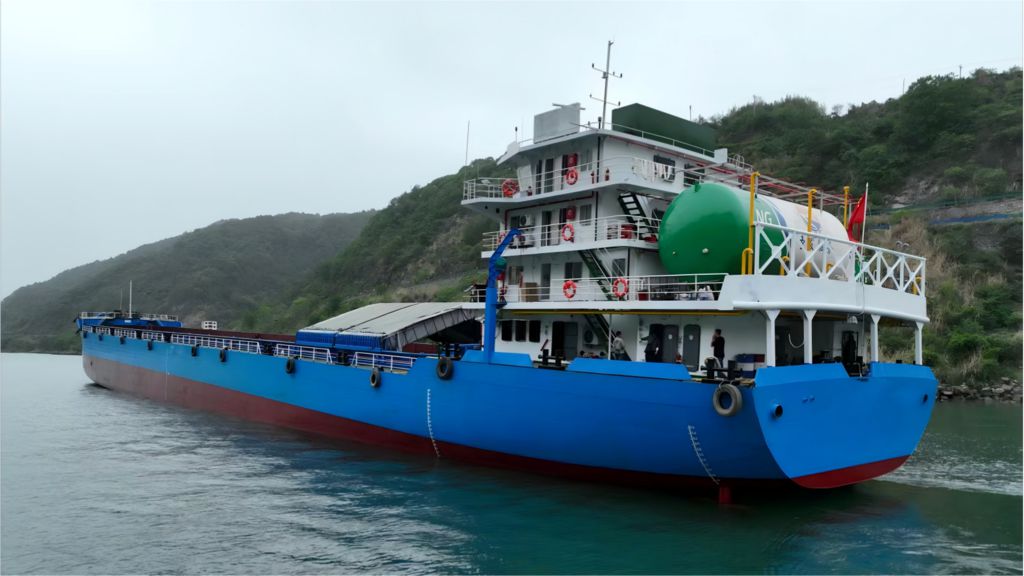
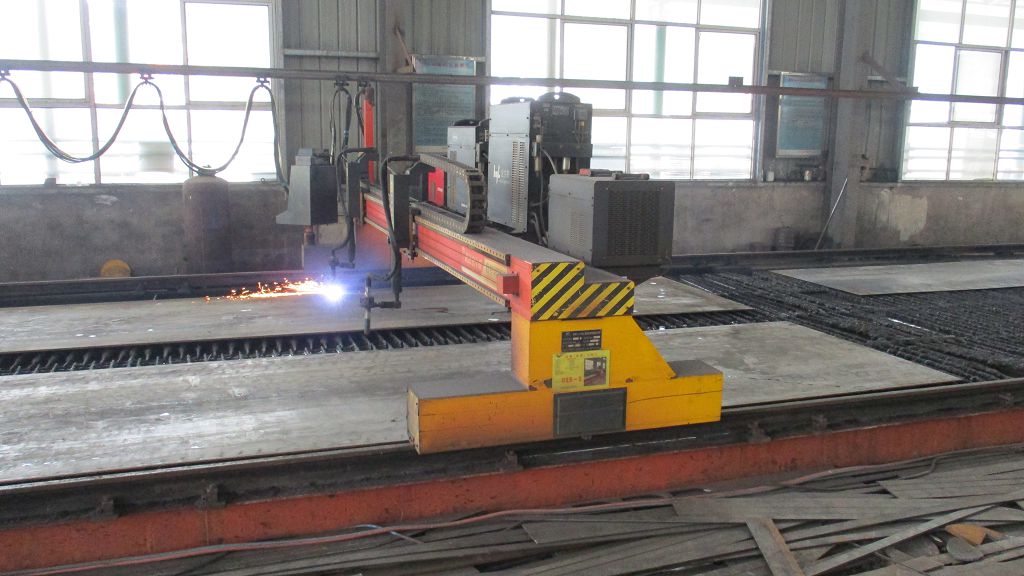
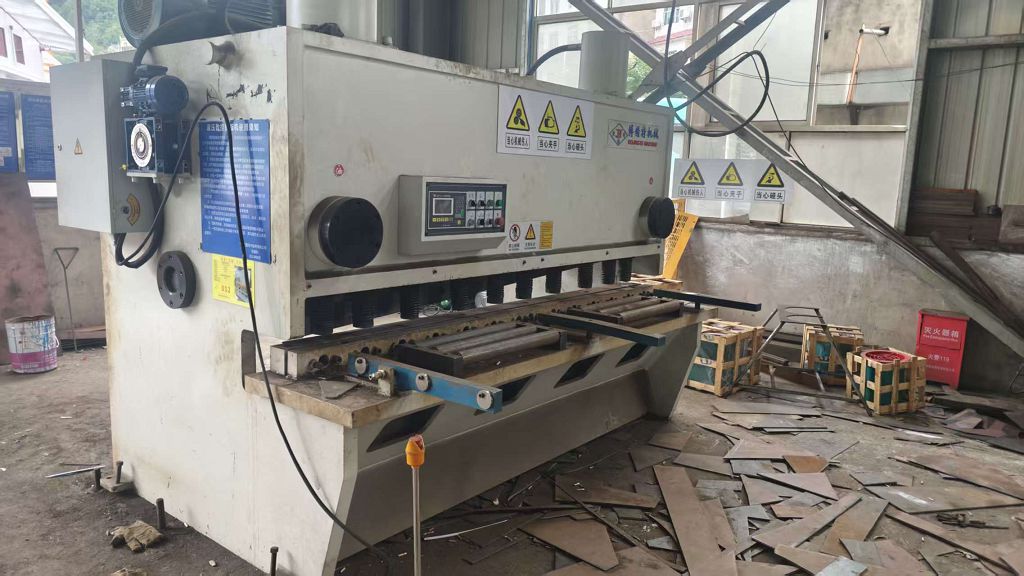
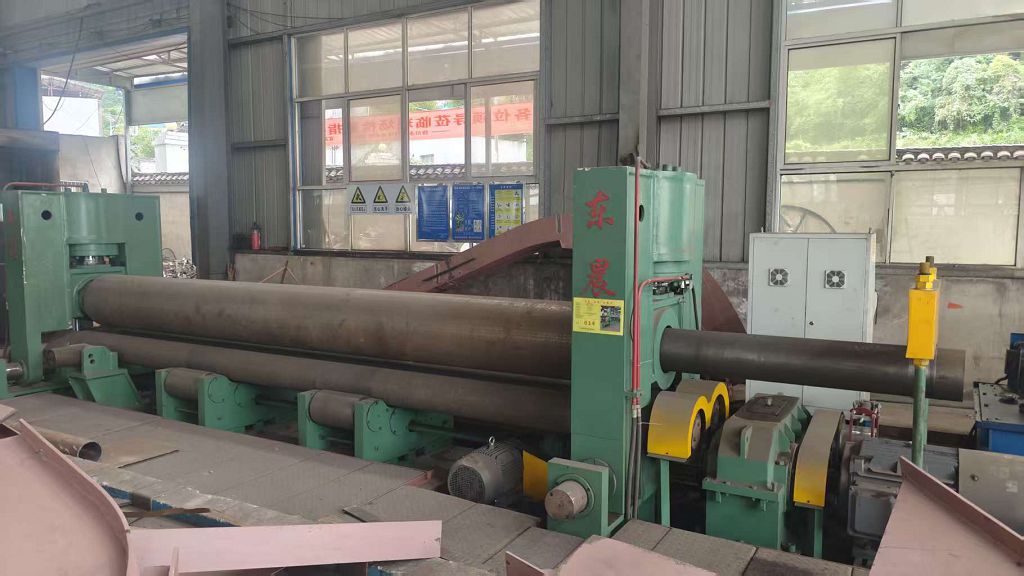
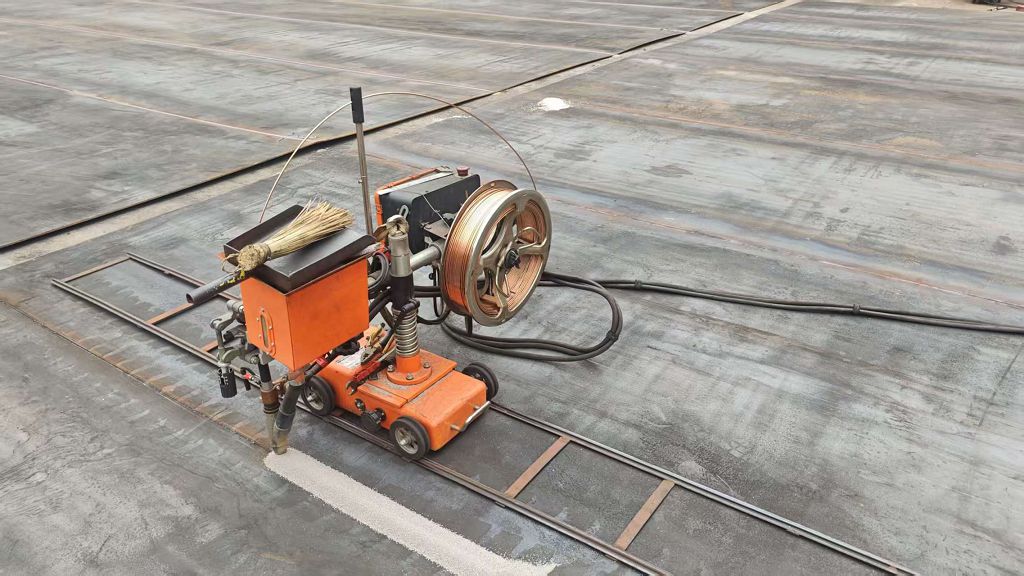
By engineering custom packaging frames and pallet footprints using Laser Cutting, Shearing, and Rolling machines, we design steel pallets and transport crates that nest perfectly together. This custom structural packaging optimizes the dimensional configuration, eliminating empty space inside containers. When we integrate product fabrication with shipment dimensional design, we reduce the overall cubic capacity requirements for complex industrial exports, achieving up to 20-30% volume reduction before the goods even reach the loading dock.
Tactical, data-driven methodologies deployed by our growth directors to systematically control international logistics budgets.
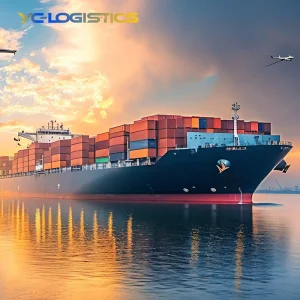
Dimensional weight charges can silently erode profits. We analyze the packaging footprint of raw fabrications, steel rolled products, and heavy cargo. By employing laser cutting and shearing on structural crates and securing nesting configurations, we ensure that cargo fits within the maximum physical density parameters of standard 20GP, 40GP, and 40HQ ocean containers. This prevents paying for empty "air" space inside shipping containers.
Exporting from a single port is highly inefficient if your component factories are geographically dispersed. Leoti Logistics runs consolidated warehousing across main coastal gateways: Shenzhen, Guangzhou, Shanghai, Ningbo, Xiamen, and Tianjin. By routing cargo to the nearest regional consolidation center, we optimize domestic long-haul drayage, reduce local trucking fees, and utilize consolidated sea freight shipping routes.
Relying exclusively on FOB leaves the buyer blind to domestic destination fees, while unstructured DDU terms can lead to unexpected handling charges. We leverage our network of over 200 global agents to provide structured DDP (Delivered Duty Paid) models. This aligns customs clearance, duty management, and last-mile delivery, minimizing port storage charges and customs detention fees.
When ocean freight transit times are too slow and standard air freight rates are too high, we deploy strategic air charters or intermodal rail pathways (like the China-Europe Express Railway). This allows manufacturers to secure faster delivery schedules without the high costs of express air transport, using data-driven analytics to select the most cost-effective mode of transportation.
Practical examples of how Leoti Logistics addresses real-world logistical challenges across major global trade lanes.
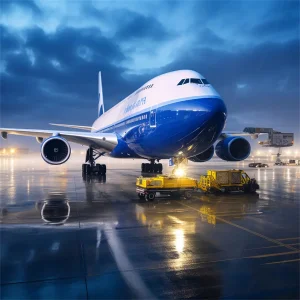
For European routes, strict environmental regulations and high port storage fees require highly efficient logistics management. Our DDP Air Freight and LCL/FCL ocean services to Europe utilize direct consolidation hubs in Shenzhen and Ningbo. By consolidating shipments in our local warehouses before departure, we secure reliable space allocations and schedule customs entry points prior to arrival. This helps avoid costly storage charges at European destination ports like Gothenburg, Le Havre, or Genoa.
US and Mexican import corridors are frequently impacted by port congestion and complex customs regulations. We address this by routing shipments through multiple ports and leveraging door-to-door DDP services. For example, imports to Mexico are managed through specialized forwarding lanes to secure prompt customs clearance. For shipments to South America (such as Chile), we coordinate bulk air cargo charter options alongside regular sea freight schedules to provide stable rates and reliable transit times.
Our commitment to technology ensures continuous optimization and visibility across your global supply chain.
By evaluating historical freight rates, transit times, and weather patterns, our systems identify optimal routing configurations to avoid port congestion and reduce transit times.
We utilize IoT sensors to provide real-time updates on location, temperature, and handling conditions. This visibility helps ensure cargo safety throughout transit.
By integrating our systems with digital customs platforms, we compile, verify, and submit shipping documentation in advance to minimize customs delays.
Answers to common inquiries regarding international shipping, port operations, and cost optimization strategies.
Explore our full range of shipping, customs clearance, and dedicated transport solutions designed to streamline your global logistics.
 Leoti Logistics