Leoti Logistics
1 / 5
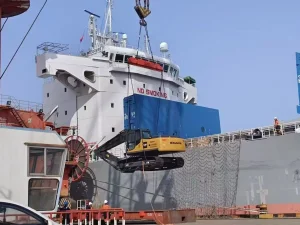
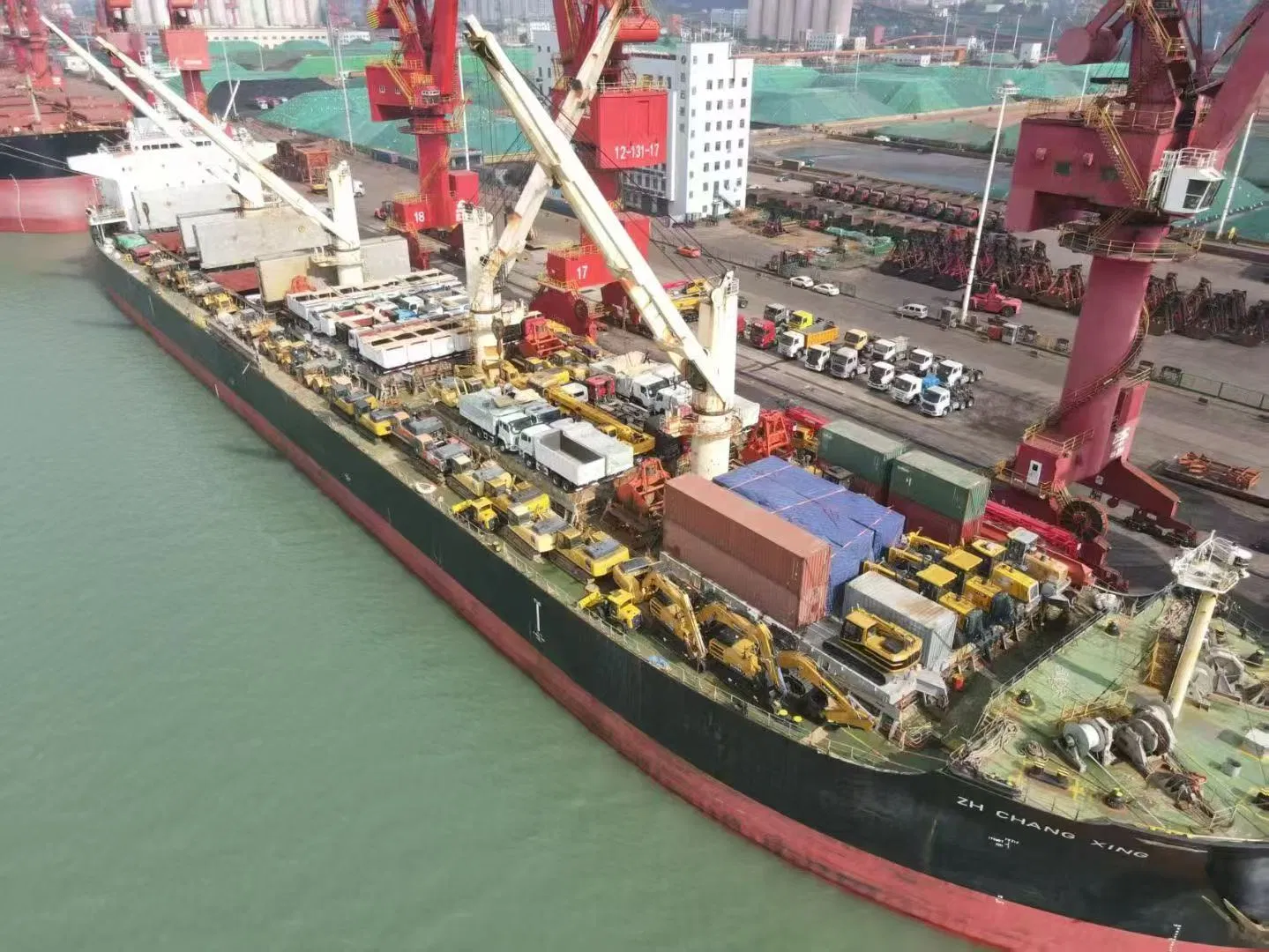
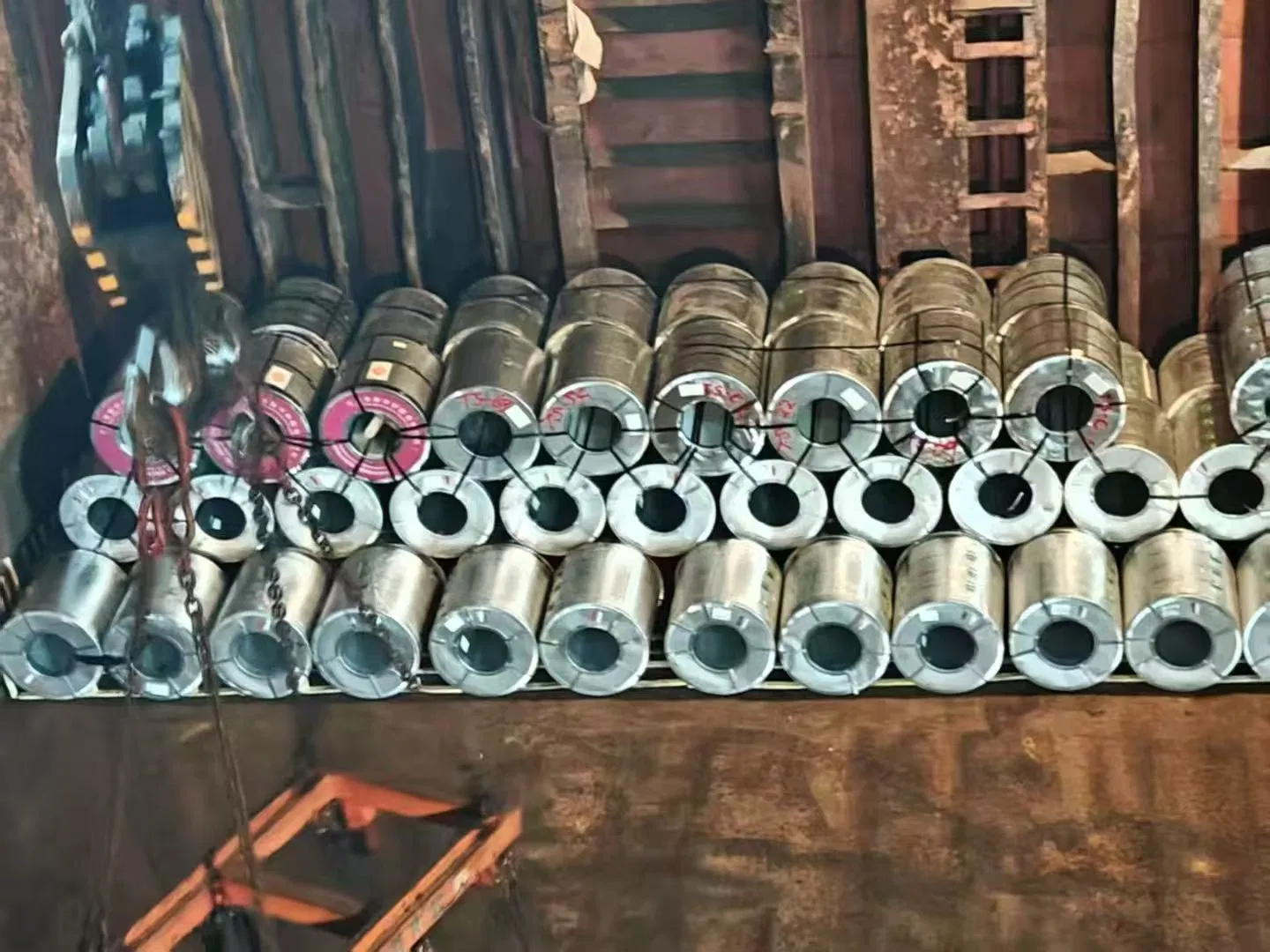
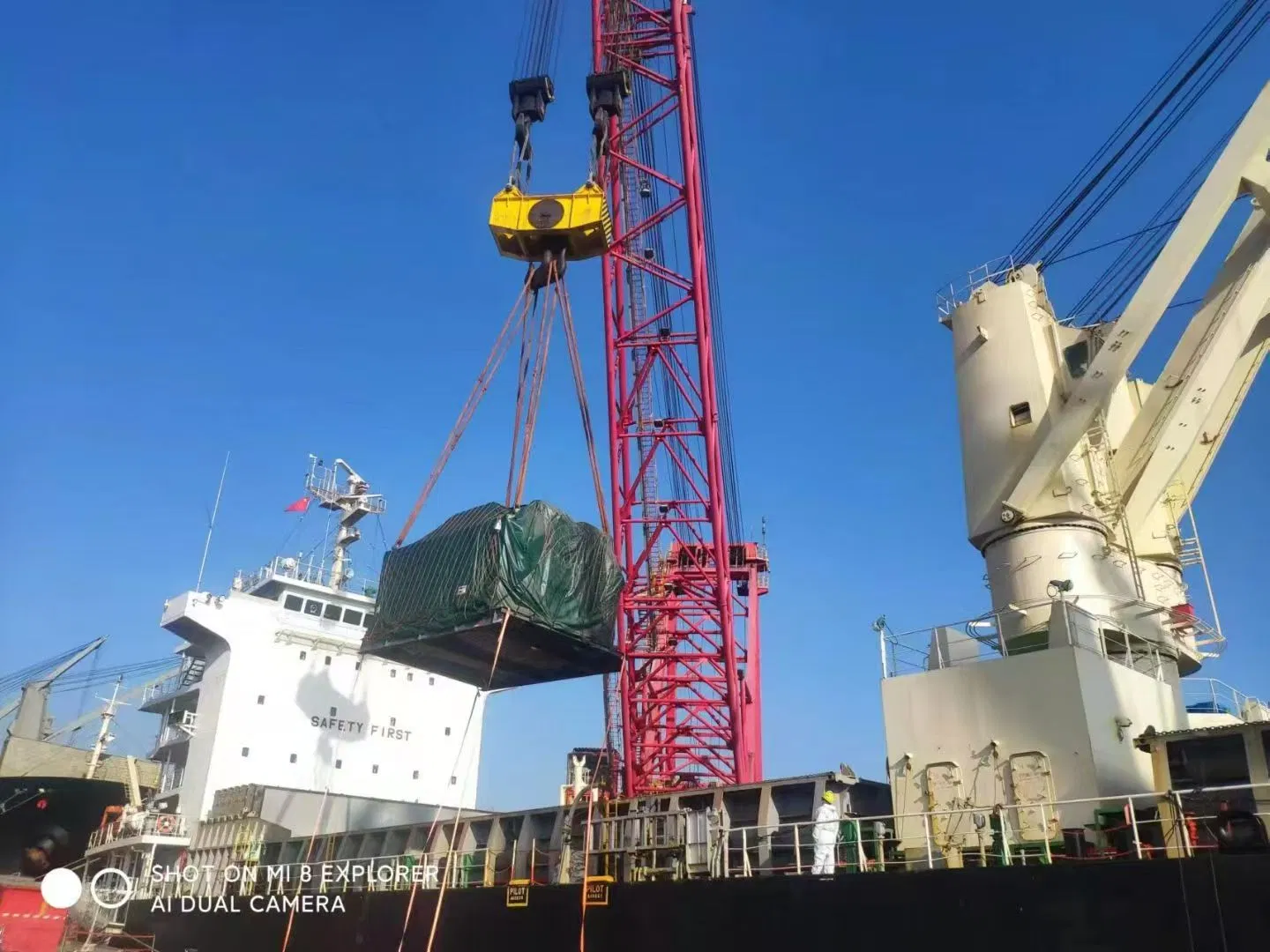
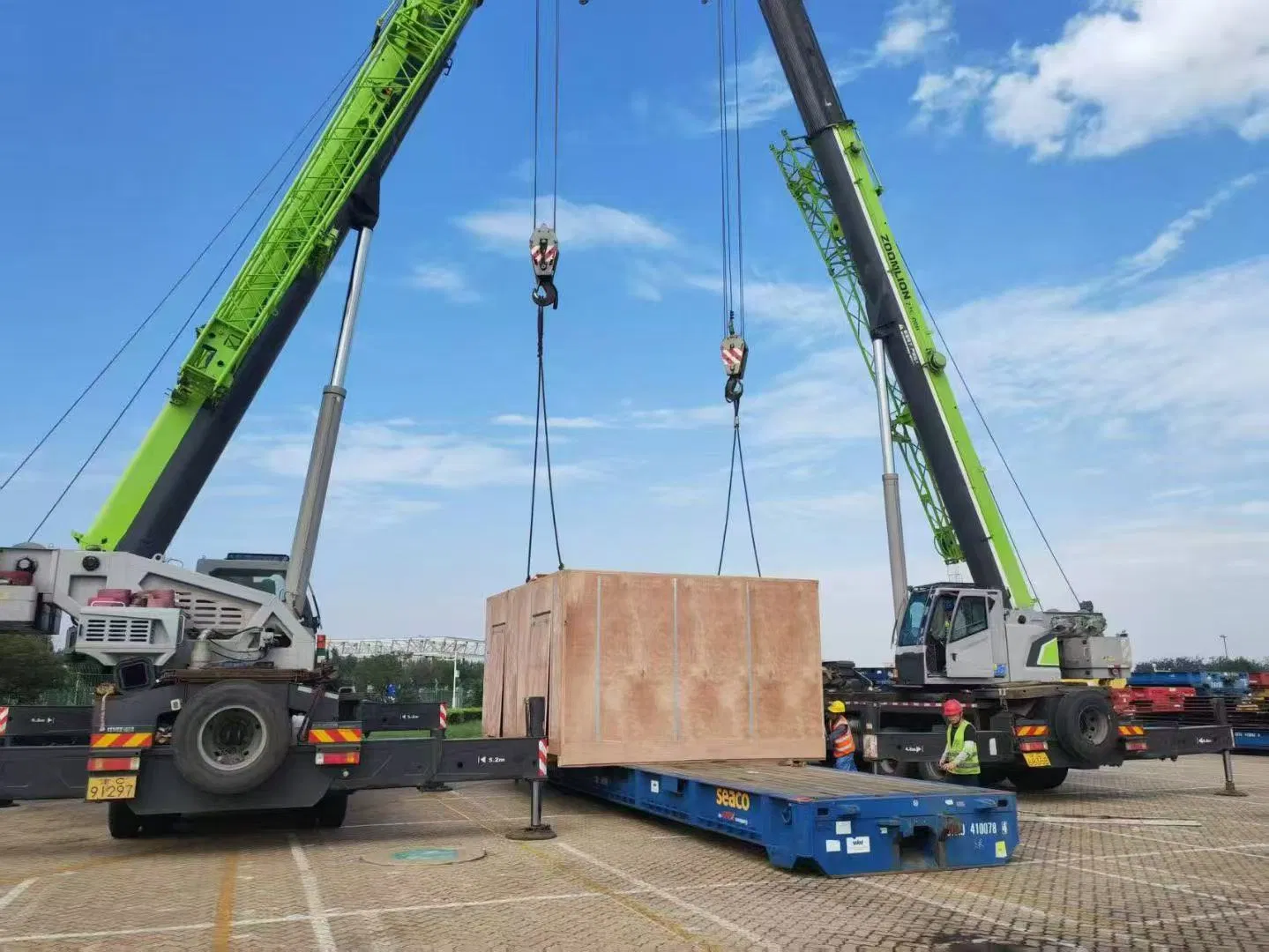
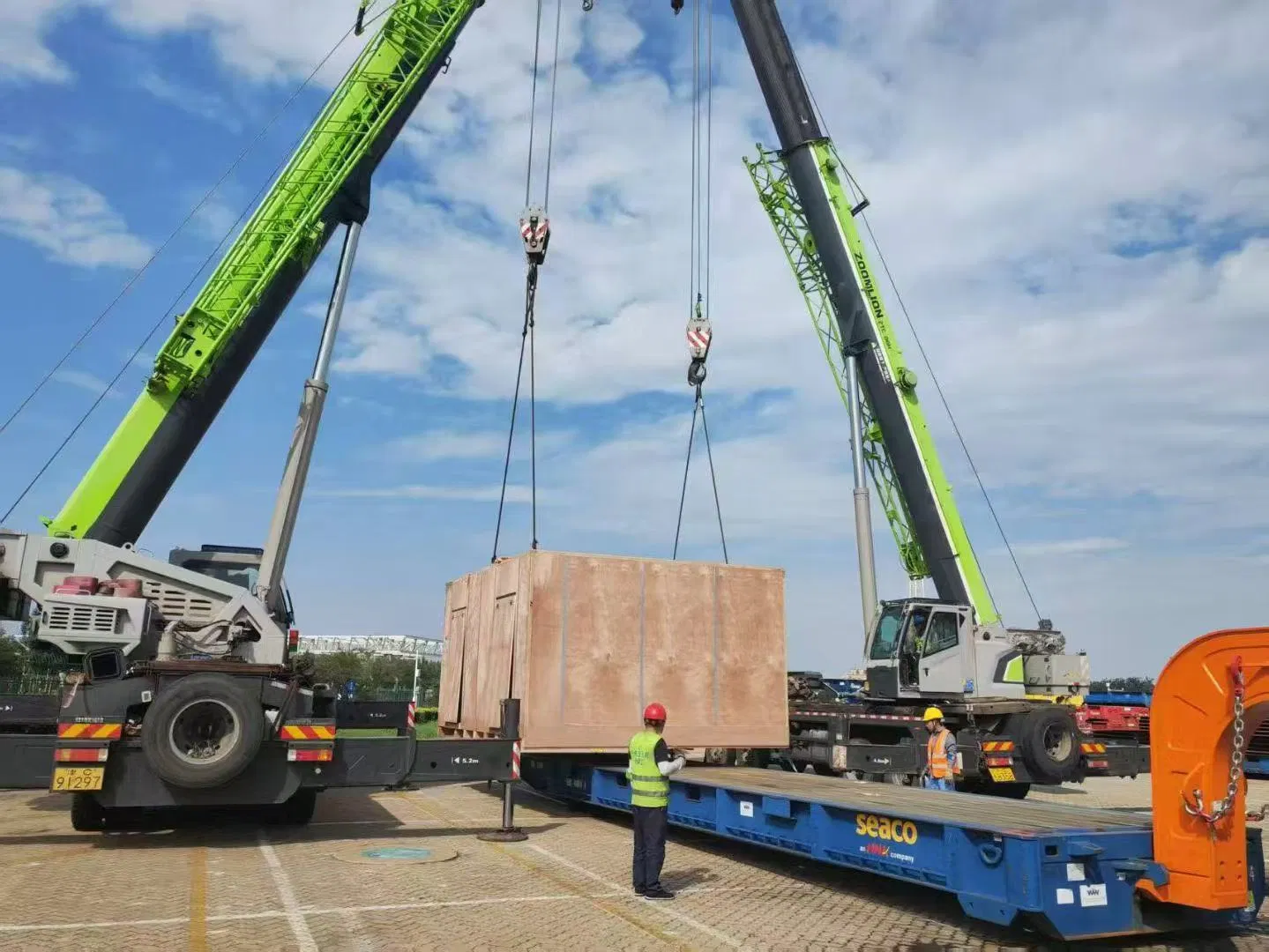
Break bulk shipping is a traditional cargo transport method used for goods that are too large or heavy to fit into standard containers. Instead of being containerized, these goods-known as break bulk cargo or breakbulk cargo-are loaded individually onto the ship using specialized handling equipment such as cranes and lifting gear.
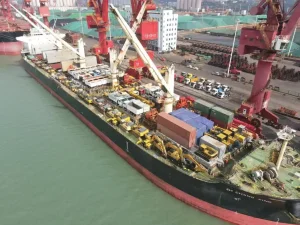
Typical break bulk items include industrial boilers, wind turbine blades, construction equipment, and steel beams. These shipments often require high-capacity deck cranes or floating cranes at the port to lift the cargo onboard, piece by piece, and secure it directly to the vessel's deck or hold.
This method is commonly used for bulk cargo that comes in large pieces but is not uniform in size or shape. Break bulk is particularly useful when shipping to ports without advanced container infrastructure or when the cargo's dimensions exceed those of standard containers.
While it involves more labor and time compared to container shipping, break bulk provides flexibility for unique, oversized loads that other transport modes simply can't handle.
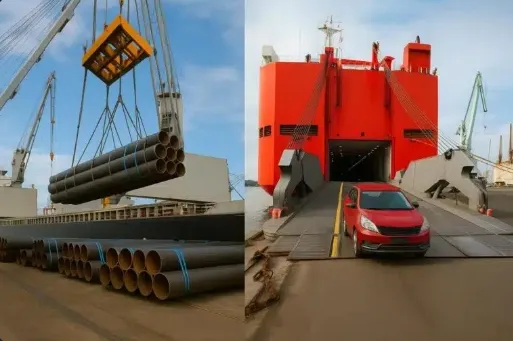
Ro-Ro shipping, short for roll-on/roll-off, is a shipping method designed specifically for cargo that moves on its own wheels or can be easily towed. In this method, vehicles and machinery are driven directly onto a vehicle deck of a car carrier or Ro-Ro vessel at the port of origin and driven off at the destination.
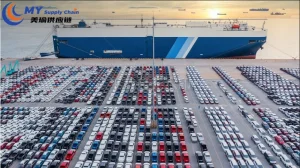
This seamless loading and unloading process is made possible by built-in ramps and liftable ramps connecting cargo decks, allowing road vehicles, semi trailers, and freight vehicle transport units to board the ship quickly and efficiently. The cargo is securely parked in designated lanes inside the vessel, which often resemble a multi-level parking garage.
A Ro-Ro service is ideal for transporting new or used cars, trucks, buses, construction equipment with wheels or tracks, and other self-propelled products. Since there's no need for cranes or containerization, the process is faster, with reduced risk of damage during handling.
Ro-Ro shipping is widely used for automotive logistics and has become a cornerstone of cost-effective international transport for wheeled cargo.
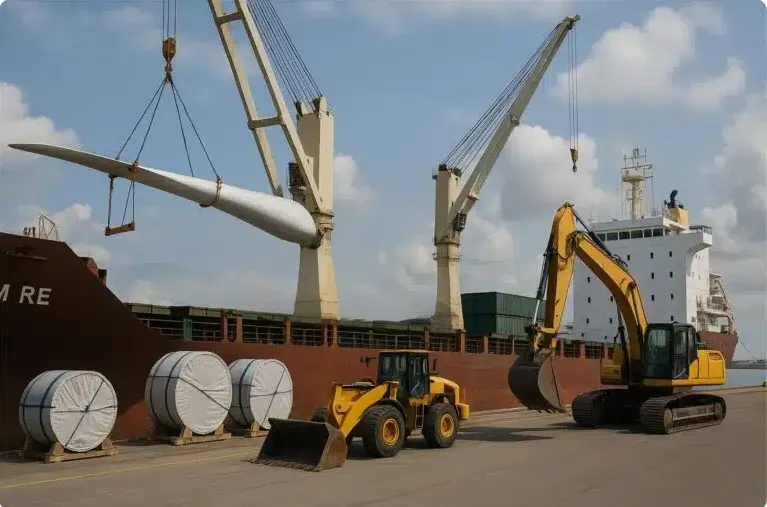
While both break bulk shipping and Ro-Ro services are used to transport large or irregular cargo, they differ significantly in how they load and unload, as well as in the type of cargo they are best suited for.
In bulk shipping, break bulk cargo is manually lifted and secured onto the ship using cranes or lifting gear. This method is ideal for project cargo and heavy cargo that lacks wheels or cannot be rolled. It often requires more time at the port and specialized handling equipment, but it offers greater flexibility for awkward-shaped freight.
In contrast, Ro-Ro vessels simplify the loading process by allowing vehicles or trailers to be driven directly onto the ship via ramps serving vehicle decks. This not only reduces loading time but also minimizes the handling risks associated with lifting heavy machinery.
Additionally, Ro-Ro is better suited for transporting large fleets of wheeled cargo, whereas break bulk excels in shipping large-scale industrial components that cannot be containerized or towed.
Choosing between these two methods depends on cargo type, destination port capabilities, and how much time or handling your goods can tolerate.
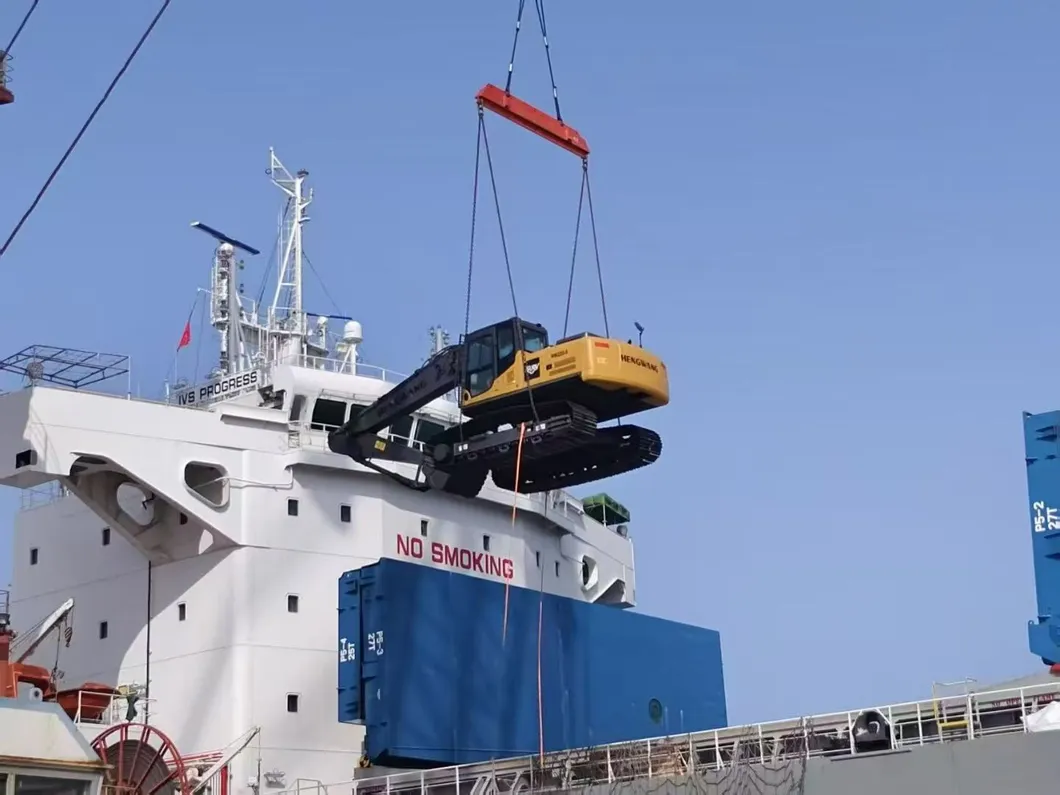
Break bulk shipping is the preferred method when dealing with freight that is too large, too heavy, or too irregularly shaped to fit into containers or to be transported by Ro-Ro vessels. This shipping solution is especially effective for heavy machinery, industrial components, and oversized general cargo.
Examples of break bulk cargo include:
These items are usually shipped in large quantities, but each piece is loaded separately using cranes or gantries. In many cases, the cargo is secured on custom skids, cradles, or pallets to ensure stability during transport.
When shipping to remote areas or to ports with limited Ro-Ro infrastructure, break bulk becomes the only viable option for moving essential project equipment. It offers unmatched flexibility for companies in construction, energy, oil & gas, and infrastructure development.
Ro-Ro shipping is specifically designed to handle transport vehicles and other cargo that can move on its own or be easily towed. If your goods have wheels, tracks, or can be placed on a mobile platform, Ro-Ro is likely the most efficient and cost-effective solution.
Typical cargo types shipped via Ro-Ro include:
These items are usually considered self-propelled products or towable units and can be loaded onto the ship without the use of cranes. They are parked securely on vehicle decks, often with chains or chocks to keep them in place during transit.
Ro-Ro is ideal for high-volume automotive logistics and is widely used by manufacturers, resellers, and importers who need fast, reliable delivery of wheeled cargo with minimal port handling.
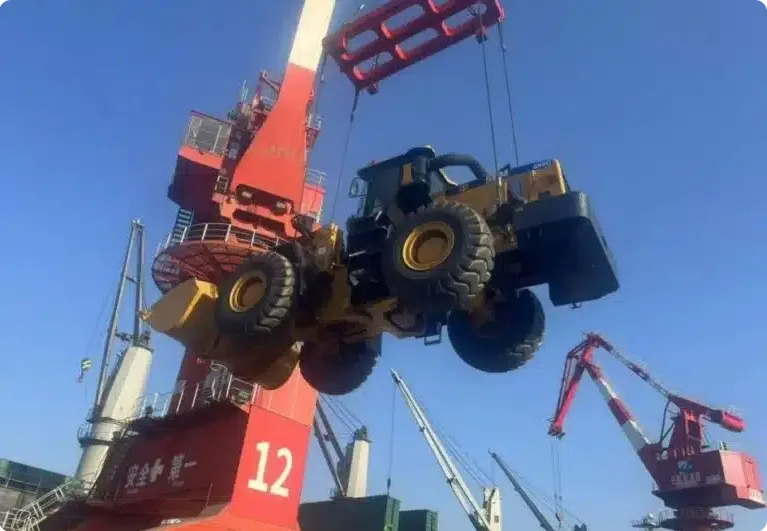
The success of both break bulk and Ro-Ro shipping heavily depends on the availability of proper port infrastructure and cargo-handling equipment.
For break bulk shipping, ports must be equipped with high capacity deck cranes or floating cranes capable of lifting extremely heavy or oversized cargo. Since break bulk items are not containerized, they must be loaded individually and secured to the vessel's deck or hold. This process requires highly skilled labor, safety planning, and customized handling equipment such as slings, spreader bars, and lifting frames.
In contrast, Ro-Ro vessels rely on ramps serving vehicle decks to allow cargo to roll on and roll off. These ships often feature liftable ramps that connect different cargo decks inside the vessel, allowing for easy movement between levels. Ports must provide wide, reinforced ramps with appropriate ramp capacity and lane width to accommodate all types of wheeled vehicles.
Not all ports are equipped for both methods. Some terminals specialize in Ro-Ro carriers, while others focus on general bulk cargo or project freight. That's why it's critical to choose the right port of departure and arrival based on your cargo type and method of shipment.
The design of the shipping vessel plays a crucial role in determining how efficiently different cargo types can be transported. Ro-Ro vessels and break bulk carriers are structurally optimized for different loading mechanisms and cargo configurations.
A Ro-Ro vessel is typically designed with multiple cargo decks, connected by built-in ramps or liftable ramps, allowing wheeled cargo to move between levels. These ships resemble large floating parking garages and can accommodate everything from personal vehicles to tanks. Some advanced Ro-Ro ships also feature hybrid vessel types, combining vehicle storage areas with container space on the upper deck, providing more flexibility.
On the other hand, break bulk carriers are equipped with flat open decks or large cargo holds, along with strong lifting gear to move irregular freight. Unlike container vessels, break bulk ships allow direct loading and unloading of oversized cargo using cranes or gantries. The other cargo decks on these vessels are usually unobstructed and reinforced to support extremely heavy or oddly shaped items.
The choice between these two vessel types depends on the nature of the cargo. Ro-Ro ships prioritize speed and efficiency for wheeled loads, while break bulk carriers offer versatility for non-standard, high-weight shipments that require custom positioning and onboard lashing.
Shipping costs can vary widely depending on cargo type, size, and the chosen method. Generally speaking, break bulk shipping tends to involve higher costs due to increased labor, specialized equipment, and longer port handling times. Every item must be individually loaded, secured, and unloaded-often requiring complex rigging and oversized permits.
In contrast, Ro-Ro shipping is often more cost effective for vehicles and towable cargo because it eliminates the need for cranes and minimizes port time. Cargo rolls directly onto the ship and is parked in organized lane width configurations across the vehicle decks, reducing handling and labor costs significantly.
Here's a general cost comparison:
| Cargo Type | Shipping Method | Estimated Cost (USD) | Notes |
|---|---|---|---|
| 1 SUV | Ro-Ro | $800 - $1,500 | Fits within standard Ro-Ro vehicle lane |
| Bulldozer (15 tons) | Ro-Ro | $2,000 - $3,000 | Must be self-driven or towable |
| Wind turbine blade (30m) | Break Bulk | $5,000 - $8,000 | Requires specialized rigging |
| Generator (8 tons) | Break Bulk | $3,000 - $5,500 | Heavy lift zone needed |
| 3 cars in container | Container Shipping | $2,000 - $2,800 | Packed in standard containers |
Cargo dimensions such as cargo length or abnormal width also impact price-especially for break bulk. Custom cradles, protective wrapping, and reinforced decks may be required.
Importers must balance price with reliability and speed. For some cargo, Ro-Ro is faster and cheaper; for others, break bulk is the only viable method.
Break bulk shipping is the right choice when your cargo is exceptionally large, unusually shaped, or simply cannot fit inside a standard container or be rolled aboard a vessel. If your shipment consists of industrial components, infrastructure equipment, or project cargo requiring special handling equipment, break bulk is often the most feasible solution.
This method is especially suitable when:
In these cases, bulk carriers or multipurpose vessels equipped with heavy-lift cranes are used to load, stow, and secure each unit separately. These vessels are engineered to accommodate high-weight density and offer the structural integrity needed for items like transformers, turbines, steel pipes, and large casting parts.
Although it requires more planning and port coordination, break bulk is unmatched in its ability to move uniquely shaped or ultra-heavy cargo that can't be containerized or driven.
If your cargo has wheels or can be towed, Ro-Ro shipping is almost always the preferred method. Designed for speed, simplicity, and safety, Ro-Ro vessels-especially pure car carriers (PCCs)-offer the most efficient way to transport vehicles, trailers, and self-propelled products across long distances.
Choose Ro-Ro when:
Ro-Ro vessels offer extensive vehicle storage capacity, sometimes handling thousands of cars or hundreds of heavy-duty machines in a single voyage. These vessels feature internal ramps and designated decks for separating vehicle types based on height, weight, and clearance requirements.
Other vehicles such as trailers, chassis, and mobile equipment also benefit from this method, as they require no disassembly or specialized lifting. This makes Ro-Ro ideal for automotive manufacturers, rental companies, dealers, and logistics providers shipping to regions like Africa, the Middle East, or Latin America where Ro-Ro ports are common.
Both break bulk shipping and Ro-Ro shipping offer distinct advantages, but each also comes with trade-offs. Choosing the right method depends on your cargo's characteristics, budget, timeline, and destination port capabilities.
Advantages:
Disadvantages:
Advantages:
Disadvantages:
Some Ro-Ro vessels are passenger ships with passenger accommodation areas, but most commercial Ro-Ro carriers today are dedicated to cargo and not used for human transport. Understanding the pros and cons of each method helps you avoid delays and choose the best-fit solution for your specific freight needs.
To illustrate the practical differences between break bulk and Ro-Ro shipping, let's examine a real-world logistics case involving the export of construction machinery from China to West Africa.
A logistics company needed to ship the following cargo from Shanghai to Lagos:
Using a hybrid strategy allowed the company to optimize both time and cost. The Ro-Ro portion minimized labor and risk for the wheeled machinery, while break bulk provided flexibility to transport irregular cargo that couldn't be containerized or driven.
This case highlights how matching the right shipping method to each equipment type ensures smoother delivery, better safety, and optimized freight costs.
Whether you're using break bulk shipping or Ro-Ro transport, understanding the customs clearance process is vital to avoid delays or penalties at the destination port. Both methods involve detailed documentation and inspection procedures-especially when shipping heavy equipment, vehicles, or uncontainerized cargo.
Customs officials often require specific cargo data including HS codes, vessel name, cargo value, and accurate dimensions. For Ro-Ro cargo, details like engine number, chassis number, and fuel type may also be requested.
When using break bulk, inspectors may also ask for stowage plans and loading photos to verify how the cargo was placed aboard the ship. Additionally, oversized or abnormal loads may need pre-clearance or special handling approvals at certain ports.
To streamline the process, work closely with a freight forwarder experienced in non-containerized transport. They'll ensure all customs formalities are in order and help manage port-side inspections smoothly.
Choosing the right freight forwarder is critical when dealing with heavy cargo, freight vehicle transport, or oversized machinery. Not all logistics providers have the expertise or equipment to handle break bulk or Ro-Ro shipping, so it's important to evaluate their capabilities carefully.
A professional freight forwarder not only arranges space aboard the appropriate vessel but also ensures safe stowage, timely clearance, and efficient coordination from pickup to final delivery-saving time and minimizing risks.

Selecting between break bulk shipping and Ro-Ro shipping depends on your cargo's characteristics, destination ports, budget, and timeline. Each method has its strengths, and choosing the right one is of utmost importance for a smooth, safe, and timely delivery.
If you're transporting wheeled cargo-like cars, trucks, or construction machines that can roll on and off a vessel-Ro-Ro shipping is often the most cost-effective solution. It offers fast loading, minimal handling, and lower risk of damage.
However, for static or irregular freight-such as power plant components, steel modules, or massive generators-break bulk shipping provides the flexibility and support required for complex logistics. While it may involve higher costs and more handling, it remains the only feasible option for many project cargo types.
We specialize in both break bulk and Ro-Ro freight solutions, offering tailored shipping strategies based on your cargo size, port access, and transit requirements. Our expert team can evaluate your shipment and recommend the most efficient, compliant, and cost-effective method-backed by global partnerships and years of hands-on logistics experience.
No matter which route you choose, partnering with us means you're shipping smarter, avoiding delays, and ensuring your cargo arrives safely and on schedule.